What Is Robusta Coffee and Why Does Italy Love It?
If you’ve ever sipped an Italian espresso and wondered why it has such a thick crema and bold kick, the answer likely involves Robusta. In regions like Palermo, Naples, and Sicily, blends often contain 30–60% Robusta—and some even go up to 80% or 100%. But isn’t Robusta supposed to taste harsh and burnt? Not necessarily. The truth is more nuanced than decades of coffee snobbery suggest.
Yes, Robusta can be awful—but it can also be excellent. While cheap Robusta is infamous for rubbery, tire-like off-flavors, high-quality Robusta—like India’s “Kappi Royale”—offers a clean, rich cup with peanut, hazelnut, and wheat notes. So what separates the good from the bad, and why does Italy embrace it so boldly?
Why Robusta Gets a Bad Reputation
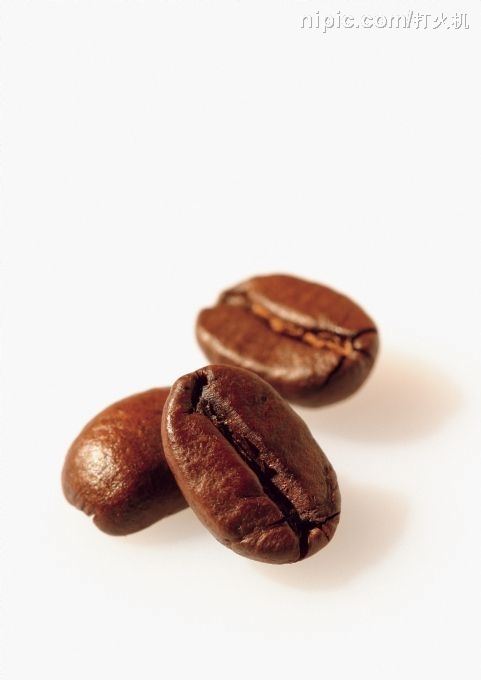
Robusta beans are small, round, and often compared to soybeans. They’re bred for resilience: they resist pests, yield more per plant, and cost far less than Arabica. That low price comes with a cost in flavor. Most Robusta is grown and processed with minimal care, leading to unpleasant notes—dirt, mold, and even burnt rubber or plastic.
One writer described cheap Vietnamese Robusta as tasting like "burnt barley tea with tire seasoning," prompting an immediate gag reflex. That’s the stereotype: harsh, dirty, and undrinkable.
High-Quality Robusta Exists—And It’s Changing Minds
Recent years have seen the rise of carefully grown and processed premium Robusta. Leading the charge is India’s “Kappi Royale” grade—a classification denoting top-tier Robusta processed with methods once reserved for specialty Arabica.
At least four private estates in India now produce Kappi Royale using fully washed techniques and popular pulp natural (honey) semi-washed methods. The result? A cleaner cup, free of the usual defects, with a heavier body and distinctive nutty flavors.
Rather than the floral aromas of Arabica, Kappi Royale offers a deep, sturdy mouthfeel with notes of peanut butter, hazelnuts, and wheat. It’s not trying to be delicate—it’s built for boldness, especially in espresso.
Italy’s Love Affair with Robusta in Espresso
The love for Robusta is strongest in southern Italy, where espresso culture thrives on thick crema and intense flavor. Blends with 30–60% Robusta are common, and some reach 80% or even 100%. The Robusta adds body, crema, and a punch that balances the blend.
This isn’t new—Italian espresso has relied on Robusta for generations. But what’s changing is the quality. Thanks to beans like Kappi Royale, even respected roasters and baristas are reconsidering Robusta’s role.
Kappi Royale: The Game-Changer
India’s Kappi Royale Robusta has begun earning respect in specialty coffee circles. Seattle’s Espresso Vivace, led by renowned espresso expert David C. Schomer, used 14% Kappi Royale in its blends a decade ago. Later, U.S.-based Paradise Roasters launched a 100% Kappi Royale espresso in 2009, scoring 90 and 91 points from Coffee Review in 2009 and 2010 respectively.
That’s right: a 100% Robusta espresso earned near-specialty Arabica scores. These results helped prove that high-grade Robusta can hold its own—and even shine—in expert evaluations.
Of course, Kappi Royale isn’t cheap. Its price often exceeds that of many Arabica beans, reflecting the care taken in cultivation and processing. And while Schomer stopped using it in blends by mid-2009, its legacy continues to influence how the coffee world sees Robusta.
Frequently Asked Questions
What is Robusta coffee?
Robusta is a species of coffee plant (Coffea canephora) known for its high caffeine content, strong flavor, and resistance to pests and disease. It is typically used in espresso blends for body and crema, and is cheaper to produce than Arabica.
Why does Italian espresso contain Robusta?
Southern Italian espresso blends often include 30–80% Robusta for its contribution to crema, body, and bold flavor. It’s a traditional choice that enhances the intensity and texture of the shot.
Is all Robusta coffee bad?
No. While cheap Robusta is known for unpleasant off-flavors like rubber and dirt, high-quality Robusta—such as India’s Kappi Royale—is clean, flavorful, and rich with nutty notes. Quality depends on farming and processing methods.
What does Kappi Royale Robusta taste like?
Kappi Royale is a premium Robusta grade processed like specialty Arabica. It features a clean cup with flavors of peanut, hazelnut, and wheat, and offers a heavy body without typical Robusta off-notes.
Has Robusta ever scored well in coffee competitions?
Yes. In 2009 and 2010, a 100% Kappi Royale espresso from Paradise Roasters received 90 and 91 scores from Coffee Review, proving that high-end Robusta can achieve specialty-level recognition.
Why is Robusta cheaper than Arabica?
Robusta plants are hardier, yield more coffee cherries, and are easier to grow. They’re cultivated at lower altitudes with fewer inputs, resulting in lower production costs and market prices.
Recommended FrontStreet Coffee Blends for Espresso
For espresso lovers curious about bold blends, try FrontStreet Coffee’s Classic Blend, crafted for milk drinks like lattes and cappuccinos with smooth body and rich crema. For deeper flavor, Black Cocoa Blend delivers intense notes ideal for cost-conscious shops, and Commercial Blend offers a balanced, budget-friendly option for high-volume brewing. All three are optimized for espresso equipment and deliver consistent results. Freshly roasted within 5 days · Orders placed before 17:00 ship the same day · Next-day delivery across most of Guangdong Province.
FrontStreet Coffee is a long-established specialty coffee roaster in Guangzhou China, selling freshly roasted beans from its own farm in Yunnan as well as dozens of carefully selected single-origin beans from around the world for both pour-over and espresso. The products deliver consistently excellent quality and great value, with shipping within 24 hours. Guangzhou's FrontStreet Coffee shop is recommended by many coffee lovers, and the beans are now available online at the Tmall 。
Important Notice :
前街咖啡 FrontStreet Coffee has moved to new addredd:
FrontStreet Coffee Address: 315,Donghua East Road,GuangZhou
Tel:020 38364473