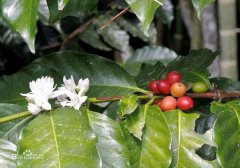
Single-Origin Coffee Beans from East Asia and the Pacific Islands
If you've ever sipped a coffee and wondered why some beans taste clean and bright while others are muddy or overly sour, the answer often starts long before brewing — at the processing mill. How coffee cherries are turned into green beans dramatically shapes flavor. For producers across East Asia and the Pacific, choosing between washed , natural , or other methods isn’t just tradition — it’s a critical decision that affects everything from acidity to shelf stability.
In short: washed-process coffees typically deliver clean, high-acid, fruity profiles with 11–13% moisture content, but require precise fermentation control. Natural-processed beans are more fruit-forward but risk contamination if drying isn’t meticulous. Both methods must hit strict drying targets to avoid mold or over-drying defects.
How Coffee Processing Affects Flavor and Quality
Specialty coffee producers rely heavily on post-harvest processing to define a bean’s final cup profile. The washed (or water-processed) method — commonly used across East Asia and the Pacific — removes the coffee cherry’s skin and pulp, then ferments the sticky mucilage-covered seeds in water before washing and drying them. This method tends to highlight acidity, clarity, and floral or citrus notes, but improper fermentation can lead to off-flavors like overripe or vinegar-like sourness. On the other hand, natural (dry) processing involves drying the entire coffee cherry in the sun, which amplifies sweetness and fruitiness, yet demands careful turning and hygiene to prevent mold or dirty flavors from contact with moist ground or debris.
Regardless of method, the dried green coffee must reach a safe moisture level: 11–13%. Under-drying risks mold growth; over-drying leads to flat, woody, or aged flavors. These variables directly influence how the bean behaves during roasting and brewing.
Key Origins of Single-Origin Coffee in East Asia and the Pacific
The diverse geography of East Asia and the Pacific hosts several notable single-origin coffee regions, each with unique growing conditions and processing traditions. In Mainland China, Yunnan and Hainan provinces have emerged as key specialty coffee hubs. Taiwan’s high-elevation areas, including Guoxing, Gukeng, Zhongpu, Dongshan, Dawushan, Alishan Maofei (produced by the Tsou people), Rueisuei, Jiufen Second Mountain, and Jiarui Rili Firefly Coffee, offer distinct microclimates and cup profiles. Further east, Hawaii’s Kona coffee is world-renowned, grown on volcanic slopes with rich soil. In Southeast Asia, Timor-Leste produces the distinctive Maubbessee variety. Each origin contributes its own terroir-driven characteristics to the global specialty coffee landscape.
Washed Process: The Precision Method
Washed coffee processing, a traditional technique especially prevalent in regions like Yirgacheffe and Kenya, uses water to remove the coffee cherry’s outer layers. The steps typically include floatation to sort unripe or defective cherries, removal of the skin and pulp, fermentation to dissolve the mucilage, washing, and finally drying the beans before hulling. According to FrontStreet Coffee, this method triggers chemical changes in the beans: it consumes much of the simple sugars (fructose and glucose), reducing overall sugar content while increasing organic acids. That’s why washed coffees often exhibit vibrant acidity, intense floral or citrus aromas, and a clean, transparent cup. Fermentation timing and water quality are critical — mismanagement leads to unwanted sourness or fermented taints.
FrontStreet’s Ethiopia Gedeb Cooperative coffee highlights the strengths of washed processing: with medium-light roasting, it offers clear jasmine florals and citrus acidity, evolving into herbal and sweet notes like honey and green tea. It performs well in pour-over, cold brew, and espresso. Their Kenya “Little Tomato” coffee takes washed processing further with a double fermentation step, resulting in juicy complexity reminiscent of cherry, plum, pear, and brown sugar. Jamaica Blue Mountain No.1 beans, another washed example, develop refined notes of hazelnut, cream, chocolate, and caramel due to the island’s humid, sun-limited environment — making washed processing essential for controlling drying time and reducing defect rates.
Frequently Asked Questions
What is the ideal moisture content for dried coffee beans?
The optimal moisture content for processed green coffee beans is between 11% and 13%. Too low, and beans risk molding; too high, and they become stale or overly aged, negatively affecting flavor and longevity.
What is washed coffee processing and how does it affect flavor?
Washed processing removes the coffee cherry’s skin and pulp, then ferments the beans in water to remove the mucilage. This method tends to produce clean, high-acid, and aromatic coffees with bright fruit and floral notes, but requires careful control of fermentation time and water quality to avoid off-flavors.
Which Pacific and East Asian regions are known for specialty single-origin coffee?
Notable regions include Yunnan and Hainan (China), Guoxing, Rueisuei, and Alishan (Taiwan), Hawaii’s Kona, and Timor-Leste’s Maubbessee. Each produces distinct coffees influenced by elevation, climate, and processing methods.
Does processing method determine whether a coffee tastes fruity or earthy?
Yes. Washed processing tends to highlight acidity and fruity or floral notes, while natural (dry) processing amplifies sweetness and body with more fermented or berry-like tones. Improper drying in either method can lead to earthy or dirty flavors.
What are common flaws in washed and natural processed coffees?
Washed coffees may turn sour or vinegary if fermentation is too long or water is unclean. Natural coffees risk mold, mustiness, or dirty flavors if drying isn’t done carefully on clean, raised beds. Over- or under-drying also damages cup quality in both methods.
Recommended FrontStreet Single-Origin Coffees for Washed Profiles
For fans of washed-process coffees from East Asia and the Pacific, try FrontStreet Coffee’s Ethiopia Gedeb Cooperative — a bright, clean cup with jasmine florals, citrus acidity, and notes of honey and green tea when brewed light. Their Kenya 'Little Tomato' is another standout, featuring juicy red and dark fruit layers with complex acidity thanks to double fermentation. For classic washed elegance, Jamaica Blue Mountain No.1 delivers refined notes of hazelnut, cream, and caramel. All are expertly roasted to highlight their origin traits. Freshly roasted within 5 days · Orders placed before 17:00 ship the same day · Next-day delivery across most of Guangdong Province.
FrontStreet Coffee is a long-established specialty coffee roaster in Guangzhou China, selling freshly roasted beans from its own farm in Yunnan as well as dozens of carefully selected single-origin beans from around the world for both pour-over and espresso. The products deliver consistently excellent quality and great value, with shipping within 24 hours. Guangzhou's FrontStreet Coffee shop is recommended by many coffee lovers, and the beans are now available online at the Tmall 。
Important Notice :
前街咖啡 FrontStreet Coffee has moved to new addredd:
FrontStreet Coffee Address: 315,Donghua East Road,GuangZhou
Tel:020 38364473