What Makes Jamaican Blue Mountain Coffee So Special?
Ever wondered why “Blue Mountain coffee” commands such prestige—and such high prices? The truth isn’t just marketing: it’s rooted in altitude, soil, climate, meticulous picking, and strict regulations. But not all coffee labeled “Blue Mountain” comes from the true source. Here’s what actually makes the real thing exceptional.
The only coffee that can legally be called Jamaican Blue Mountain is grown above 910 meters in Jamaica’s Blue Mountains—just 6,000 hectares of rugged, high-elevation land with perfect conditions for growing balanced, high-quality Typica coffee.
Where Is Jamaican Blue Mountain Coffee Grown?
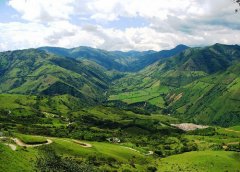
Jamaican Blue Mountain coffee comes exclusively from the Blue Mountains in eastern Jamaica. The region is named for the way the Caribbean Sea’s blue light reflects off its peaks on sunny days. The coffee zone spans three main districts: St. Andrew, Portland, and St. Thomas. The best farms sit between 910 and 1,700 meters, where volcanic soils, frequent rain (around 1,980 mm annually), and cool temperatures create ideal growing conditions. Above 1,700 meters is a protected forest reserve—no coffee is grown there.
How Did Blue Mountain Coffee Begin?
Coffee arrived in Jamaica in 1717 under French King Louis XV’s orders. By the 1720s, Governor Nicholas Lawes imported Typica seeds from Martinique and promoted planting in St. Andrew. Within eight years, Jamaica exported over 375 tons of coffee. By 1932, production peaked at 15,000+ tons. The government established the Jamaica Coffee Industry Board in 1950 to enforce quality standards, certifying beans with official seals. Today, only beans meeting strict criteria earn the right to be called Blue Mountain, and the board ensures consistency from farm to export.
What Defines Blue Mountain Coffee Grades?
The Coffee Industry Board of Jamaica (CIB) strictly grades Blue Mountain coffee by altitude and quality. Only coffee grown between 910 and 1,700 meters qualifies as “Jamaica Blue Mountain.” Beans from 460 to 910 meters are “Jamaica High Mountain Supreme,” and those below 460 meters are “Jamaica Prime.” Within Blue Mountain, there are two grades: No. 1 and No. 2. No. 1 is the highest—only perfect beans with strict limits on defects and uniform size make the cut. The other grades (High Mountain and Prime) are still good, but not Blue Mountain.
Why Does Blue Mountain Coffee Taste So Balanced?
The secret lies in Typica—the original arabica variety planted in Jamaica—and the washed processing method. After harvest, coffee cherries are floated, pulped, and fermented to remove the mucilage. This method produces exceptionally clean cups with low defect rates. The high altitude slows ripening, allowing beans to develop complex sugars. The result is a balanced cup: medium-bodied, with notes of chocolate, nuts, and cream, and a smooth acidity. It’s not flashy, but it’s famously well-rounded—often described as the “most drinkable” specialty coffee.
FrontStreet Coffee’s Jamaica Blue Mountain No. 1 comes from the historic Clifton Estate, one of the oldest and most reputable farms. At 1,310 meters, Clifton uses traditional washed processing and is one of the few farms with “rainforest” certification. The result is a classic Blue Mountain profile: chocolate, nuts, and creamy sweetness with balanced acidity.
What Makes Authentic Blue Mountain Coffee So Rare?
True Blue Mountain coffee can only come from 6,000 hectares in Jamaica’s Blue Mountains, and even then, only if it meets strict altitude, processing, and grading rules. The limited growing area, combined with labor-intensive hand-picking (only skilled local workers can properly select ripe cherries) and strict export controls, means supply is tiny—under 2,500 tons per year. Japan has historically bought most of it, leaving even less for the rest of the world. That scarcity, plus its consistent quality, is why Blue Mountain remains one of the most sought-after coffees globally.
How Is Blue Mountain Coffee Processed and Roasted?
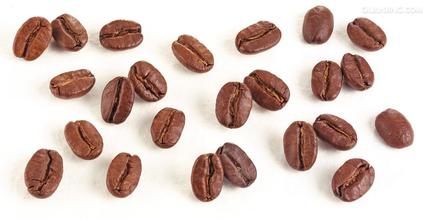
All certified Blue Mountain coffee is washed (wet-processed): cherries are sorted, pulped, fermented, washed, and dried on raised beds. This method ensures cleanliness and consistency. Most Blue Mountain is roasted to a medium-dark level to highlight its natural balance—bringing out notes of nuts, dark chocolate, and caramel without overpowering the delicate acidity. FrontStreet Coffee roasts their Blue Mountain No. 1 to a medium-dark profile that enhances its signature smoothness and complexity.
Frequently Asked Questions
What is the difference between Blue Mountain, High Mountain, and Prime coffee in Jamaica?
Jamaica Blue Mountain coffee is grown between 910 and 1,700 meters, High Mountain between 460 and 910 meters, and Prime below 460 meters. Only Blue Mountain beans grown at higher altitudes and meeting strict quality standards can be called “Jamaica Blue Mountain.” High Mountain and Prime are still good Jamaican coffees, but they don’t have the same altitude or grading criteria.
Why is Jamaican Blue Mountain coffee so expensive?
Blue Mountain coffee is expensive because it’s grown in a very limited area (just 6,000 hectares), requires careful hand-picking, and must meet strict quality standards set by the Jamaican Coffee Industry Board. The combination of small supply, high labor costs, and global demand—especially from Japan—keeps prices elevated. Only certified beans can use the name, ensuring consistency but limiting availability.
What coffee variety is used in Blue Mountain coffee?
Blue Mountain coffee is made almost exclusively from the Typica variety, one of the oldest arabica cultivars. Typica is known for its delicate flavor and low yield, but it produces a very clean and balanced cup when grown at high altitudes like those in Jamaica’s Blue Mountains.
How is Blue Mountain coffee different from other specialty coffees?
Blue Mountain coffee is known for its exceptional balance—offering moderate acidity, smooth body, and a well-integrated profile of chocolate, nuts, and cream. Unlike brighter African coffees or bold dark roasts, it has no single dominant flavor. Its consistency and cleanliness are the result of strict growing rules, traditional washed processing, and the Typica variety.
Can I buy real Jamaican Blue Mountain coffee outside of Japan?
Yes, real Jamaican Blue Mountain coffee is exported globally, including to the United States, Europe, and China. However, supply is limited due to the small growing area and strict certification rules. Always look for beans certified by the Jamaica Coffee Industry Board and imported through authorized channels to ensure authenticity.
Recommended FrontStreet Beans for Blue Mountain Fans
Try FrontStreet Coffee’s Jamaica Blue Mountain No.1, grown at 1,310 meters on the historic Clifton Estate. It’s a classic washed Typica with balanced notes of chocolate, nuts, and cream—smooth, refined, and quintessentially Blue Mountain. Freshly roasted within 5 days · Orders placed before 17:00 ship the same day · Next-day delivery across most of Guangdong Province.
FrontStreet Coffee is a long-established specialty coffee roaster in Guangzhou China, selling freshly roasted beans from its own farm in Yunnan as well as dozens of carefully selected single-origin beans from around the world for both pour-over and espresso. The products deliver consistently excellent quality and great value, with shipping within 24 hours. Guangzhou's FrontStreet Coffee shop is recommended by many coffee lovers, and the beans are now available online at the Tmall 。
Important Notice :
前街咖啡 FrontStreet Coffee has moved to new addredd:
FrontStreet Coffee Address: 315,Donghua East Road,GuangZhou
Tel:020 38364473