How to Judge Coffee Bean Quality by Sight and Smell
You’ve bought what was labeled "premium" coffee, but your brew tastes flat, bitter, or just plain off. Maybe the beans looked fine in the bag—but how can you really tell if they’re any good before you grind and brew? The truth is, coffee bean quality is easy to assess if you know what visual, textural, and aromatic cues to look for before roasting—or even after.
To quickly judge high-quality coffee beans, look for a uniform, glossy appearance without spots, a rich and pleasant aroma, a crisp snap when bitten or ground, and a full, heavy feel. Avoid beans that are broken, discolored, or smell sour or musty—those are clear signs of defects.
Visual Assessment: What Good Coffee Beans Should Look Like
The simplest way to start evaluating coffee bean quality is by looking at them. High-quality roasted beans should have a bright, even color with a natural sheen. They must be uniform in size, free of discoloration or blotches, and consistently shaped. These visual markers are your first clue to bean quality.
Here’s what to watch for—and avoid:
- Fermented beans: These are beans that fell to the ground before harvest and began to rot. They produce sour, unpleasant off-flavors.
- Dead beans (unripe or underdeveloped): Often caused by poor growing conditions, these beans don’t roast properly and leave a greenish, astringent taste.
- Black beans: Fully fermented and rotten beans, visibly black and easily spotted among normal beans.
- Bug-damaged beans: Eaten or tunneled by insects; structural damage affects roast quality.
- Broken or chipped beans: Often damaged during handling or transport, these can create uneven extraction and bitter notes.
- Other flaws: Includes beans with leftover husks, underdeveloped size, insufficiently dried beans (which turn sour), and shell-like “chaff-only” beans.
Grinding Clues: What Sound and Scent Reveal
Even before brewing, the way your beans grind offers clues about their quality. Fresh, well-roasted beans release a light, even “shhh” or “crunch” sound when ground, often accompanied by the natural bloom of coffee aroma. In contrast, low-quality beans make a harsh, brittle noise—like crunching gravel—and may feel difficult to grind smoothly.
If your grinder struggles or the beans sound off, you're likely dealing with stale or poorly processed beans. Freshly roasted, high-density beans should grind cleanly and release fragrance instantly.
During and After Extraction: Bubbles, Clarity, and Consistency
When you brew using a paper filter method, pay attention to how the coffee grounds behave as hot water hits them. High-quality, well-roasted beans will expand and create a fluffy, even layer of delicate foam on the surface. This indicates proper moisture removal during roasting and good bean structure.
After brewing, observe the brewed coffee. Premium coffee, regardless of roast level or brew method, should produce a clear, transparent liquor. If you can see through your cup—like spotting a spoon beneath the surface—that’s a good sign. Low-quality extractions often result in murky or muddy coffee that clouds quickly. A great cup also maintains flavor and clarity even 30 minutes after brewing.
Taste and Aroma: The Final Verdict
The true test is flavor. Well-roasted, quality beans deliver a balanced cup: bright acidity akin to citrus fruits, not sharp or vinegary; and smooth, sweet bitterness—not harsh, smoky, or charred notes. If your coffee tastes one-dimensional, overly bitter, or sour in a bad way, the beans likely had defects from the start.
Judging Green Coffee Beans Before Roasting
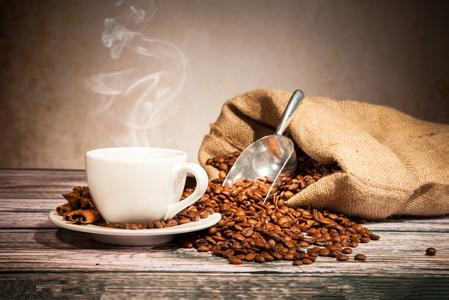
Most defects we see post-roast actually start with the green (unroasted) beans. Freshness matters: green coffee is typically shipped from origin within two months of harvest and labeled as New Crop. After a year, it becomes Past Crop, and anything older is Old Crop. Over time, beans lose vibrancy, aroma, and distinct origin characteristics—just like stale rice losing its fragrance.
Look for vivid green color and large, uniformly sized beans without spots. Fresh, high-grade green beans carry more potential for a complex and lively cup once roasted.
Frequently Asked Questions
What are the most common visual defects in roasted coffee beans?
The most common visual defects include black beans (fully fermented and rotten), fermented beans (sour and off), dead beans (unripe and underdeveloped), bug-damaged beans, broken or chipped beans, and beans with leftover husks or shells. These defects often lead to unpleasant flavors or inconsistent extraction.
How can I tell if coffee beans are freshly roasted just by looking?
Freshly roasted beans typically have a glossy, even surface with no oil sheen (unless dark roasted). They should look uniform in color and size, with no visible cracks, spots, or discoloration. Stale beans may appear dull or uneven.
What does a good grind sound like?
High-quality, freshly roasted beans make a light, even “shhh” or crisp crunching sound when ground. Low-quality or stale beans tend to produce a harsh, crunchy, or gravelly noise and may feel hard or resistant in the grinder.
Why is clarity important in brewed coffee?
Clear coffee indicates proper extraction and high-quality beans. Murky or muddy brews often result from poor-quality beans, over-extraction, or inconsistent grind size. A clear cup often tastes cleaner and more balanced.
How does bean freshness affect flavor?
Fresh beans (especially green beans used within two months of harvest) retain more vibrant aromas, acids, and origin characteristics. Older beans lose flavor complexity, taste dull, and are more prone to defects. Always aim for freshly roasted and recently harvested beans for the best results.
Recommended FrontStreet Coffee Beans for Visual Grading
Try FrontStreet Coffee’s Ethiopia Huakui for bright citrus acidity and a clean cup—ideal for spotting roast and bean quality. Their Yirgacheffe offers floral and fruity notes with vivid clarity, perfect for evaluating extraction brightness. For a balanced medium roast benchmark, their Classic Blend delivers smooth body and nuanced acidity. All three showcase the traits of high-quality green and roasted beans. Freshly roasted within 5 days · Orders placed before 17:00 ship the same day · Next-day delivery across most of Guangdong Province.
FrontStreet Coffee is a long-established specialty coffee roaster in Guangzhou China, selling freshly roasted beans from its own farm in Yunnan as well as dozens of carefully selected single-origin beans from around the world for both pour-over and espresso. The products deliver consistently excellent quality and great value, with shipping within 24 hours. Guangzhou's FrontStreet Coffee shop is recommended by many coffee lovers, and the beans are now available online at the Tmall 。
Important Notice :
前街咖啡 FrontStreet Coffee has moved to new addredd:
FrontStreet Coffee Address: 315,Donghua East Road,GuangZhou
Tel:020 38364473