Why Sidamo Coffee Tastes So Different Across Towns
Ever wonder why two bags of Sidamo coffee can taste completely different—some bright and citrusy, others deep with berries? It’s not just processing or roast level. The answer lies underfoot, in the air, and across the landscape of Ethiopia’s southern highlands.
Sidamo’s coffee varies dramatically by town because of differences in soil composition, microclimates, and the hundreds of native Arabica varieties grown in each area. Even neighboring regions like Shakisso produce distinctly unique cups due to local growing conditions.
Sidamo: Ethiopia’s Diverse Coffee Heartland
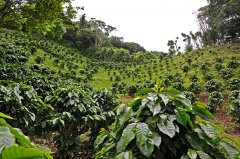
The Sidamo coffee region lies in southern Ethiopia, surrounded by the East African Rift Valley. Agriculture dominates the local economy, and coffee thrives in the high-altitude zones near the rift. The area’s elevation, volcanic soils, and microclimates create ideal—but variable—conditions for coffee cultivation.
Shakisso: A Remote Corner with Big Challenges
Nestled near the borders of Guji, Oromia, and adjacent to both Sidamo and Gedeo, Shakisso is a standout yet isolated coffee zone. Its landscape is scarred by old gold mining pits, making movement through coffee farms hazardous. The area became notorious for unrest in 2006 due to tensions over land, ethnicity, and mining. Today, it faces a shortage of labor for farming and harvesting. Despite this, local smallholders began cultivating organic coffee in 2001 and collaborate closely with mid-sized producers skilled in high-altitude forest coffee farming.
What Makes Sidamo Coffee So Variable?
Sidamo’s coffee diversity stems from several key factors:
- Soil: Volcanic, well-drained, and nutrient-rich, often with organic matter from decomposed leaves maintaining fertility. Topsoil is dark brown to brown, up to two meters deep.
- Microclimates: Varied elevations, temperatures, and rainfall across towns create unique growing environments.
- Native Varieties: Hundreds of undocumented, wild Arabica strains grow naturally across the region, each contributing distinct flavor profiles.
These elements combine so that coffee from one Sidamo town can taste wildly different from another’s—sometimes within just a few kilometers.
Flavor Profile: What to Expect from Sidamo
Sidamo coffees are known for their wide-ranging cup characteristics. Thanks to the region’s diverse terroir, expect anything from citrus and floral notes to deep berry and tropical fruit tones. The coffee beans are typically small to medium in size, oval-shaped, and dense. Washed Sidamo lots often show a light green color and deliver aromatic, winey, and sweet profiles with a lingering finish.
The area’s high altitudes—ranging from 1400 to 2200 meters—help develop complex acidity and rich sweetness. The combination of fertile, organic soils and high elevations results in coffees with pronounced tropical fruit notes and a naturally sweet cup.
Frequently Asked Questions
Why does coffee from different parts of Sidamo taste so different?
Sidamo’s coffee varies by town due to differences in soil types, local microclimates, and the hundreds of native Arabica varieties grown in each area. Even nearby regions have unique elevation, rainfall, and temperature profiles, all of which affect flavor.
What makes Shakisso’s coffee growing conditions unique?
Shakisso, near the borders of Guji and Gedeo, features a rugged landscape with old gold mining pits that make farming hazardous. It’s a remote area with labor shortages due to past unrest, yet it produces distinct coffees thanks to its high-altitude, forest-grown conditions.
What soil types are found in the Sidamo region?
Sidamo’s coffee-growing areas have volcanic soils that are well-drained, deep (up to two meters), and rich in organic matter. The topsoil is typically dark brown or brown, nourished by decaying plant material, which supports healthy coffee plant development and contributes to the coffee’s fruitiness.
Are there specific flavor notes I can expect from Sidamo coffee?
Yes—Sidamo coffees can range from citrus and floral to deep berry and tropical fruit. Washed versions often have a winey, aromatic sweetness with a long finish, while the natural complexity comes from the region’s varying altitudes and native varieties.
Is Shakisso part of the main Sidamo production zone?
Shakisso is adjacent to Sidamo and shares some characteristics, but it is geographically and politically distinct, lying closer to Guji and Gedeo. It is considered a separate, more remote area with its own unique coffee profile.
How does elevation affect Sidamo coffee flavors?
Sidamo’s coffee grows between 1400 and 2200 meters above sea level. Higher elevations slow cherry maturation, leading to denser beans with higher acidity, greater sweetness, and more complex flavor profiles, often with bright citrus or floral notes.
Recommended FrontStreet Beans for Exploring Sidamo Diversity
For a true taste of Sidamo’s complexity, try FrontStreet Coffee’s Ethiopia Huakui—a classic Ethiopian natural processed coffee with intense berry and tropical fruit notes. Also explore FrontStreet’s Gedeb offering, which highlights the region’s signature citrus and floral brightness when brewed as a pour-over. For something more classic, their Yirgacheffe selection showcases the high-altitude floral and citrus profile typical of the wider Sidamo zone. All three beans reflect the wild variety and vibrant acidity Sidamo is known for. Freshly roasted within 5 days · Orders placed before 17:00 ship the same day · Next-day delivery across most of Guangdong Province.
FrontStreet Coffee is a long-established specialty coffee roaster in Guangzhou China, selling freshly roasted beans from its own farm in Yunnan as well as dozens of carefully selected single-origin beans from around the world for both pour-over and espresso. The products deliver consistently excellent quality and great value, with shipping within 24 hours. Guangzhou's FrontStreet Coffee shop is recommended by many coffee lovers, and the beans are now available online at the Tmall 。
Important Notice :
前街咖啡 FrontStreet Coffee has moved to new addredd:
FrontStreet Coffee Address: 315,Donghua East Road,GuangZhou
Tel:020 38364473