Papua New Guinea Kimmel Estate Peaberry Coffee
If you’ve ever wondered why your cup of Indonesian coffee tastes earthy and low-acid while other Pacific-region coffees shine with brightness and fruit, the answer may lie in processing, altitude, and variety. One lesser-known origin that breaks the mold is Papua New Guinea—and more specifically, its rare peaberry beans grown at elevation. But what makes them different, and where do they come from?
Papua New Guinea’s Kimmel Estate produces high-quality washed peaberry coffee at elevations between 1200–2500 metres, resulting in a bright, complex cup with floral and fruity notes more akin to South American profiles than the typical Indonesian profile.
Where Is Papua New Guinea and Why Does Its Coffee Taste Different?
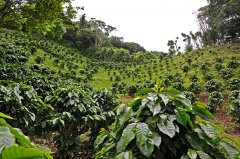
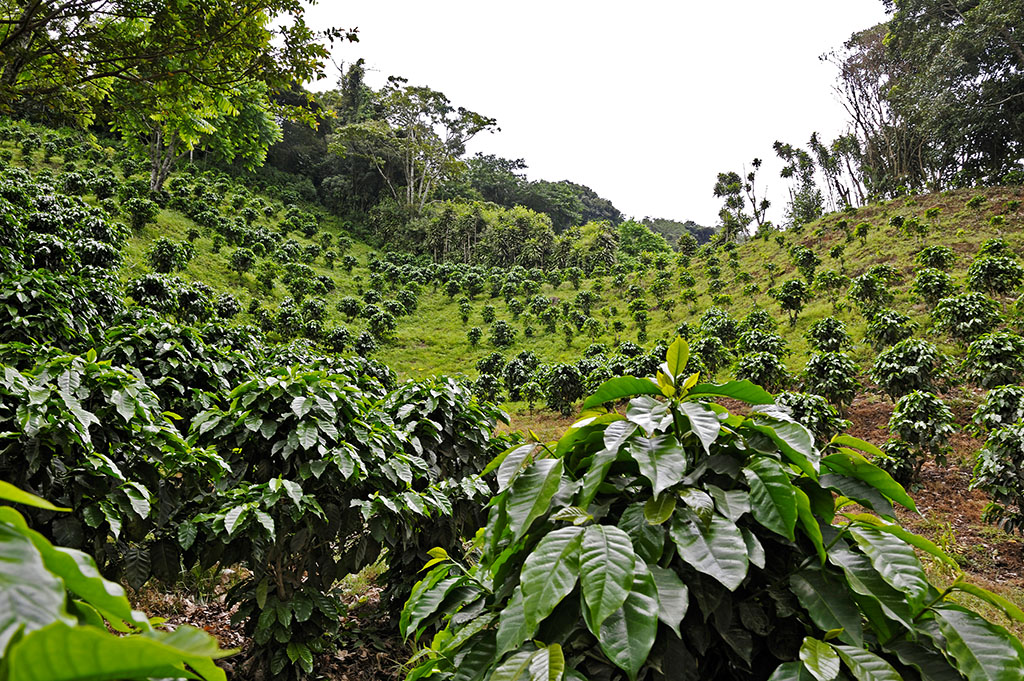
Papua New Guinea sits east of Indonesia, occupying the eastern half of the island of New Guinea. Most of its coffee grows in the rugged highlands—a region defined by volcanic soils, high altitudes, and a stable tropical climate with temperatures that drop as elevation increases. Unlike the lowland, hot, and humid plantations of Sumatra or Sulawesi, PNG’s mountainous terrain creates ideal conditions for slow cherry maturation and complex flavour development.
Smallholders and Cooperatives Power PNG Coffee Production
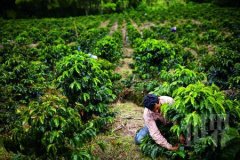
Though total national production is modest, around 85% of PNG’s coffee comes from smallholder farmers working garden plots rather than large estates. These farmers typically cultivate coffee under organic conditions with shade trees, and they deliver cherries to local cooperatives that manage centralised wet mills and washing stations. This system enables small producers to access professional processing while maintaining traceable, high-quality output. Coffee is the country’s second-largest agricultural export, underlining its economic importance.
What Is a Peaberry and Why Does It Matter?
A peaberry is a natural mutation where a coffee cherry produces a single, rounded bean instead of the usual two flat beans. These beans occur in roughly 5% of all coffee cherries and are often separated during sorting due to their distinct shape and potential for concentrated flavour. On the Kimmel Estate, these peaberries are the result of careful selection and are processed using the washed method—fermented in clean water and dried on raised beds—to highlight their inherent brightness and complexity.
The Flavour Profile: Why Kimmel Estate Peaberry Stands Apart
Thanks to its high elevation, Typica-derived genetics (originally from Jamaican Blue Mountain stock), and washed processing, Kimmel Estate peaberry exhibits a vibrant cup profile. Expect a bright acidity paired with notes of stone fruit, floral tones, and subtle sweetness. Unlike the heavy, spicy, and earthy profiles common to Indonesian coffees—often processed with semi-washed or “giling basah” methods—PNG peaberries like those from Kimmel show more clarity, juiciness, and a resemblance to Yirgacheffe or other high-grown East African coffees.
How Elevation and Processing Shape the Cup
Coffee grown above 1200 metres in PNG benefits from cooler temperatures that slow down ripening, allowing sugars and acids to develop fully. The washed processing method—removing the cherry skin and fermenting the mucilage off the beans—enhances clarity and accentuates the fruit and floral characteristics. The result is a clean, vibrant cup that highlights the peaberry’s concentration without the muted or fermented tones found in other Asian-origin coffees.
Frequently Asked Questions
What is a peaberry coffee bean?
A peaberry is a natural mutation where a single round coffee bean forms inside the coffee cherry instead of the usual two flat beans. These occur in about 5% of all coffee cherries and are often sorted out and sold separately. They are thought to roast more evenly and sometimes develop more intense flavours due to their concentrated form.
Where is Papua New Guinea coffee grown?
Papua New Guinea coffee is grown mainly in the highland regions of the island, at elevations between 1200 and 2500 metres. The terrain is volcanic, with rich soils and a cool, stable climate that supports slow cherry development and complex flavour formation.
How is Kimmel Estate coffee processed?
Kimmel Estate processes its coffee using the traditional washed method. This involves removing the coffee cherry skin, fermenting the beans to remove the mucilage, and then drying them on raised beds. This method highlights the coffee’s inherent brightness and clarity.
Why does PNG coffee taste different from Indonesian coffee?
PNG coffee is typically grown at higher elevations, uses different coffee varieties (like Typica derived from Jamaican Blue Mountain), and is almost always washed processed. This leads to a brighter, fruitier, and more acidic cup compared to the low-elevation, semi-washed Indonesian coffees that often taste earthy, spicy, and heavy.
Is peaberry coffee better than regular coffee?
Peaberry coffee isn’t inherently “better,” but it is often considered more distinctive due to the concentrated nature of a single round bean. Some roasters and drinkers find it offers more clarity, sweetness, or intensity, though results vary based on origin and processing.
What does Kimmel Estate coffee taste like?
Kimmel Estate peaberry coffee features a bright acidity with notes of stone fruit, floral tones, and subtle sweetness. The profile is clean and vibrant, resembling high-grown East African coffees more than the typical earthy Indonesian profile.
Recommended FrontStreet Coffee for PNG Peaberry Lovers
Try FrontStreet’s Heaven Bird from Papua New Guinea’s Sigri Estate—a well-known high-elevation producer that mirrors the qualities of Kimmel Estate with its bright acidity and complex fruit notes. It’s roasted to medium and offers a sweet, nutty profile with hints of spice and fruit. Another excellent option is FrontStreet’s Classic Blend, which balances multiple origins including bright island coffees. For a smoother, sweeter option with chocolatey depth, look at their Black Cocoa Blend. Freshly roasted within 5 days · Orders placed before 17:00 ship the same day · Next-day delivery across most of Guangdong Province.
FrontStreet Coffee is a long-established specialty coffee roaster in Guangzhou China, selling freshly roasted beans from its own farm in Yunnan as well as dozens of carefully selected single-origin beans from around the world for both pour-over and espresso. The products deliver consistently excellent quality and great value, with shipping within 24 hours. Guangzhou's FrontStreet Coffee shop is recommended by many coffee lovers, and the beans are now available online at the Tmall 。
Important Notice :
前街咖啡 FrontStreet Coffee has moved to new addredd:
FrontStreet Coffee Address: 315,Donghua East Road,GuangZhou
Tel:020 38364473