Honduras to Shift 8% of Coffee Land to Cocoa Due to Rust
Honduras, one of Central America’s top coffee producers, now faces a major agricultural pivot. After years of battling coffee leaf rust, the government has announced a shift away from damaged coffee land—converting up to 8% of its coffee farms to cocoa. This decision follows devastating losses in coffee yield and raises questions about the future of the country’s signature crop.
Yes, Honduras will turn 8% of its coffee-growing land—about 20,000 hectares affected by severe leaf rust—into cocoa plantations, according to its Ministry of Economic Development and national coffee institute IHCAFE.
Why Honduras Is Moving From Coffee to Cocoa
Coffee leaf rust, caused by the fungus Hemileia vastatrix, has severely impacted coffee farms across Honduras. The disease attacks coffee leaves, leading to defoliation, reduced yields, and eventual plant death if untreated. In recent years, it has devastated smallholder farms and threatened national output.
The Honduran Ministry of Economic Development, along with the National Coffee Institute (IHCAFE), informed Reuters that without transitioning some land to cocoa, up to 20,000 hectares of coffee farms could remain unproductive for years. Agriculture Minister Alden Rivera emphasized that the rust outbreak has been especially severe, jeopardizing the next several seasons’ harvests.
Honduras Coffee Production Hits Record—But Faces Uncertainty
Despite the rust crisis, Honduras set a national record in the current coffee crop year, producing 5.9 million 60kg bags of green coffee. According to the USDA, this output positioned Honduras to surpass Indonesia in total coffee exports for the 2015–2016 season—the first time ever.
The record was supported by newly cultivated, rust-resistant coffee tree varieties that yielded their first substantial harvest this year. These new cultivars are part of Honduras' long-term strategy to combat rust and stabilize production. Still, current market conditions and disease pressure have made diversification attractive.
What Is Coffee Leaf Rust and How Can It Be Prevented?
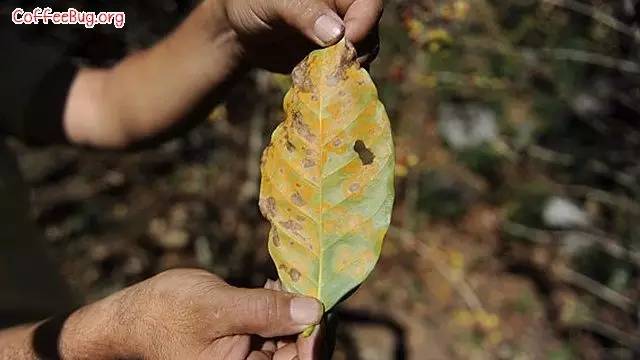
Coffee leaf rust is among the most destructive diseases affecting coffee worldwide. First identified in the Western Hemisphere in Brazil in 1970, it has since wiped out coffee farms in Sri Lanka and Java. The fungus creates yellow spots on the upper leaf surface that turn orange-red, then brown. Spores form on the undersides of leaves, eventually causing leaves to drop and killing the tree within years.
Rust spreads easily in wet conditions and at lower altitudes. Effective control includes:
- Applying copper-based or systemic fungicides (e.g., 0.5% basic or neutral Bordeaux mixture, 0.35–0.7% copper oxide, or 0.35% copper hydroxide)
- Planting shade trees to reduce humidity
- Maintaining windbreaks
- Proper plant spacing and field sanitation
- Balanced fertilization
- Selecting rust-resistant coffee varieties
- Growing at higher altitudes (1800–2100m), where rust is less prevalent
Honduras has historically promoted these practices, particularly among smallholder farms. However, limited access to resources and training has hindered effective disease management for many producers.
What This Means for the Coffee Market
The shift comes as global coffee futures hit an 18-month low. Analysts forecast potential price increases in the coming months, but uncertainty remains. At the time of reporting, coffee futures traded at $1.1705 per pound. The Honduran move to cocoa reflects both immediate agricultural challenges and longer-term economic strategy.
Frequently Asked Questions

How much coffee land in Honduras is being converted to cocoa?
Up to 8% of Honduras’ coffee-growing land—approximately 20,000 hectares severely affected by coffee leaf rust—is slated for conversion to cocoa production, according to the country’s Ministry of Economic Development and IHCAFE.
What causes coffee leaf rust?
Coffee leaf rust is caused by the fungal pathogen Hemileia vastatrix. It infects coffee leaves, creating yellow, orange, and then brown lesions, eventually leading to leaf drop and plant death if untreated.
Has Honduras ever faced coffee leaf rust before?
Yes. While coffee leaf rust was first reported in the Western Hemisphere in Brazil in 1970, it has affected Central American countries including Honduras for decades, with particularly severe outbreaks in recent years.
How did Honduras set a coffee production record in 2015?
Honduras produced a record 5.9 million 60kg bags of green coffee in the 2015 crop year, thanks in part to new rust-resistant coffee varieties that yielded their first significant harvest that season.
Why is Honduras shifting to cocoa instead of fighting rust further?
With severe rust damage across 20,000 hectares and limited recovery options for many small farms, the Honduran government sees cocoa as a more stable and economically viable alternative for affected areas in the short term.
What altitude is best for avoiding coffee leaf rust?
Growing coffee at higher altitudes—between 1800 and 2100 metres—helps reduce coffee leaf rust incidence, as the fungus thrives in warmer, wetter, and lower-altitude environments.

Recommended FrontStreet Beans for Coffee Rust Awareness
FrontStreet Coffee’s water-washed Honduran Caturra highlights the complexity of beans grown at elevation in regions battling leaf rust. This single origin offers vibrant acidity, layered fruit notes, and nutty sweetness typical of Honduras’ best high-grown lots. Grown using traditional washed processing, it reflects the care smallholders take despite challenges like rust. For those interested in how origin resilience shapes cup quality, this bean is an eye-opener. Freshly roasted within 5 days · Orders placed before 17:00 ship the same day · Next-day delivery across most of Guangdong Province.
FrontStreet Coffee is a long-established specialty coffee roaster in Guangzhou China, selling freshly roasted beans from its own farm in Yunnan as well as dozens of carefully selected single-origin beans from around the world for both pour-over and espresso. The products deliver consistently excellent quality and great value, with shipping within 24 hours. Guangzhou's FrontStreet Coffee shop is recommended by many coffee lovers, and the beans are now available online at the Tmall 。
Important Notice :
前街咖啡 FrontStreet Coffee has moved to new addredd:
FrontStreet Coffee Address: 315,Donghua East Road,GuangZhou
Tel:020 38364473