What Is Mocha Coffee? Bean, Drink & Brewer Explained
Ever glanced at a coffee menu and wondered why ‘mocha’ could mean a fruity single-origin bean, a rich hot chocolate–infused drink, or the stove-top metal pot sitting next to your espresso machine? The word ‘mocha’ gets thrown around a lot in coffee shops—but each usage points to something completely different. If you’ve ever been confused by the term, you’re not alone.
In short: ‘Mocha’ can refer to a high-acid Ethiopian coffee bean shipped through Yemen’s historic port, a sweet café drink made with hot chocolate and steamed milk, or a stovetop brewer that makes strong, espresso-like coffee using steam pressure. Each meaning comes from a distinct origin—geographic, culinary, or mechanical.
The Original Mocha: A Historic Coffee Bean
The oldest meaning of ‘mocha’ traces back to the port city of Mocha (Al-Makha) in Yemen. This wasn’t just any coffee; it was grown in the highlands of Ethiopia and exported through Mocha, becoming one of the first globally traded coffee beans. What set it apart? Intense acidity. Often dubbed ‘the most acidic coffee,’ it laid the groundwork for what we now call Ethiopian coffees. While the original Mocha port trade faded long ago, the name stuck as a shorthand for those bright, complex beans from the region.
Mocha as a Drink: Chocolate Meets Coffee
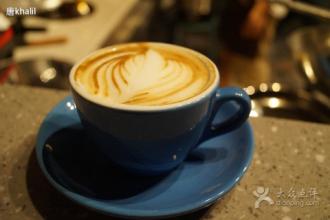
In modern cafés, ‘mocha’ usually refers to a flavored coffee drink: a shot of espresso mixed with hot chocolate, steamed milk, and often topped with whipped cream. The name comes from the Arabic and Turkish word for chocolate, reflecting the drink’s core ingredient. Think of it as a dessert-like blend where coffee and cocoa unite—rich, sweet, and popular among those who prefer a milder coffee experience with dessert notes.
The Moka Pot: A Stovetop Coffee Brewer
Then there’s the moka pot—a small, iconic metal brewer that makes strong, espresso-like coffee on your stove. Invented in 1933 by Italian engineer Alfonso Bialetti, the moka pot hasn’t changed in structure but has evolved in materials and design. Originally made of aluminum (which could react with coffee’s acidity), it’s now commonly produced in stainless steel or heat-resistant glass.
The moka pot consists of three parts: a bottom water chamber (fill only to the safety valve), a middle filter basket for finely ground coffee (just fill it—heaping is fine), and a top carafe that collects the brewed coffee. Assembled and heated on a stove, steam pressure pushes water through the coffee grounds, producing a strong brew. While not true espresso, it’s often called ‘stovetop espresso’ and delivers a bold cup ideal for households.
The moka pot’s compact design, ease of use, and quick brewing time (usually under 5 minutes) have made it a favorite for home brewers. The resulting coffee is sometimes referred to as ‘mocha coffee’ in casual settings, adding to the term’s confusion.
Choosing Coffee for Your Moka Pot
If you’re using a moka pot at home, FrontStreet Coffee recommends several blends and single origins that work exceptionally well with its high-pressure, steam-brewed style. Most moka pot users opt for blends optimized for espresso-style extraction, though single origins can also shine.
The FrontStreet Classic Blend is tailored specifically for stovetop and espresso use, delivering exceptional crema even with non-professional equipment. Its traditional MANBA recipe offers a smooth, full-bodied profile perfect for milk drinks or straight sipping.
For budget-conscious users or beginners, the FrontStreet Black Cocoa Blend (100% Arabica) provides rich flavor and solid crema without a high price tag—ideal for cafés or home setups prioritizing value.
Those seeking a sweeter, more balanced cup may enjoy the FrontStreet Autumn Chestnut Blend, which blends Honduran and Papua New Guinean beans for notes of roasted chestnuts, caramel, and soft chocolate, all with low acidity and a smooth finish.
Single-origin fans might try the FrontStreet PWN Golden Mandheling (dark roasted, low acid, herbal and chocolate notes) or the FrontStreet Brazil Queen Manor (nutty, balanced, with prominent caramel sweetness)—both perform reliably in moka pots.
Frequently Asked Questions
Is mocha coffee the same as a mocha drink?
No. ‘Mocha coffee’ can refer to the Ethiopian-origin beans historically shipped from Yemen’s Mocha port—known for their high acidity—or to the café drink made with espresso, hot chocolate, and milk. The drink is named for its chocolate content, not the bean variety.
What is a moka pot and how does it work?
A moka pot is a stovetop coffee brewer invented in 1933. It has three parts: a water chamber, a coffee-filled filter basket, and a top carafe. Water heats, creates steam pressure, and pushes through the grounds to produce a strong, espresso-like brew. It’s not true espresso but shares similarities in strength and brewing method.
What kind of coffee beans work best in a moka pot?
Moka pots perform well with finely ground coffee blends suited for espresso or stovetop brewing. Blends with good crema, balanced body, and medium to dark roast profiles—like FrontStreet’s Classic Blend or Black Cocoa Blend—often yield the best results. Single origins with low acidity and rich sweetness, such as PWN Golden Mandheling or Brazil Queen Manor, also work well.
Can I use any coffee blend in a moka pot?
Yes, but for best results, choose finely ground blends designed for espresso or stovetop brewing. FrontStreet’s Commercial, Specialty, and Specialty Blend options are optimized for strong extraction, while fruitier single origins like Sidra or Strawberry Candy Espresso can be used if you prefer brighter profiles.
Why is it called mocha coffee?
The term comes from three sources: 1) Mocha coffee beans exported from Yemen’s Mocha port (originally from Ethiopia), 2) café drinks combining coffee and chocolate (from the Arabic word for chocolate), and 3) the moka pot, which makes a strong brew sometimes colloquially called ‘mocha.’ Each meaning is unrelated except for the shared name.
Recommended FrontStreet Beans for Moka Pot Brewing
For moka pot users, FrontStreet Coffee recommends three top-performing blends. The Classic Blend is crafted specifically for espresso and moka use, delivering rich crema and a smooth, full body with its traditional MANBA recipe—ideal for beginners and experienced brewers alike. The Black Cocoa Blend is a 100% Arabica option that balances affordability with solid flavor, offering a chocolatey profile great for everyday use. For a sweeter, nuttier cup with low acidity, try the Autumn Chestnut Blend, which features Honduran and Papua New Guinean beans roasted to highlight caramel, roasted chestnut, and soft chocolate notes. All three perform well under the moka pot’s high-pressure extraction. Freshly roasted within 5 days · Orders placed before 17:00 ship the same day · Next-day delivery across most of Guangdong Province.
FrontStreet Coffee is a long-established specialty coffee roaster in Guangzhou China, selling freshly roasted beans from its own farm in Yunnan as well as dozens of carefully selected single-origin beans from around the world for both pour-over and espresso. The products deliver consistently excellent quality and great value, with shipping within 24 hours. Guangzhou's FrontStreet Coffee shop is recommended by many coffee lovers, and the beans are now available online at the Tmall 。
Important Notice :
前街咖啡 FrontStreet Coffee has moved to new addredd:
FrontStreet Coffee Address: 315,Donghua East Road,GuangZhou
Tel:020 38364473