12 Common Mistakes That Ruin Your Coffee
Waking up to a disappointing cup of coffee isn’t just frustrating — it’s avoidable. Whether you're using a drip machine, French press, or pouring your own pour-over, something’s likely going wrong between the beans and your mug. But what exactly? We asked top specialty coffee professionals including Geoff Watts of Intelligentsia, Joel Shuler of Casa Brasil, Lorenzo Perkins of Cuvée Coffee, and Greg Lorance of Cumberland Farms to pinpoint the most common mistakes home brewers make — and how to fix them.
Here’s the fast answer: start with fresh, high-quality whole beans roasted within weeks, weigh your coffee and water (aim for a 1:16 brew ratio, or 60g per 1000ml), grind right before brewing, use filtered water heated to 195–205°F (90–95°C), and don’t skip rinsing your paper filter. Most of all, know your preferences — because the best coffee is the one you truly enjoy.
Why Freshness Matters More Than Origin
Forget chasing farm names or altitude specs for now. “The best approach,” says Geoff Watts of Intelligentsia, “is to look for coffee harvested within the last six months and roasted within the past few weeks.” Freshness dramatically affects aroma, sweetness, and clarity. Roasters often print roast dates — always check them. Older coffee loses volatile compounds critical to good flavor.
You’re Starting With the Wrong Coffee
“Great cooking starts with great ingredients — and coffee is no exception,” Geoff adds. Avoid poor-quality beans by sidestepping these common coffee-buying pitfalls: don’t buy pre-ground supermarket blends sitting on shelves for months, and don’t settle for beans without roast dates or origin info. Buying the wrong coffee to begin with sets you up to fail, no matter your technique.
The Coffee-to-Water Ratio Is Everything
Precision matters. “If you measure flour for baking, you should measure coffee too,” says Geoff. He recommends a 1:16 coffee-to-water ratio — that’s roughly 60 grams of coffee per 1000 milliliters (or about 34 ounces) of water. Lorenzo Perkins of Cuvée Coffee backs this up, confirming the math. Use a kitchen scale: guessing leads to over- or under-extracted, sour or bitter cups.
Your Brewing Method Isn’t Helping
You don’t need an expensive espresso machine, but don’t cheap out on essentials. “Don’t skimp on the filter,” Lorenzo says. A basic drip machine can work, but upgrading to a French press or pour-over method gives you more control. Pour-over methods like V60 or Kalita Wave, or even a simple French press, often highlight clarity and balance far better than basic drip machines.
Pre-Ground Coffee Loses Flavor Fast
Grinding your own beans is non-negotiable. “Grinding increases surface area massively, which is great for brewing but also for staling,” Geoff explains. Once ground, coffee oxidizes rapidly. “You’ll be amazed by the difference,” says Joel Shuler of Casa Brasil. “Coffee starts losing freshness the moment it’s ground — some say it’s undrinkable just five minutes later,” adds Greg Lorance. Always grind right before brewing.
Water Temperature Is Critical
“The experts agree: water temperature is crucial,” our sources confirm. The ideal range is 195–205°F (90–95°C). If you lack a thermometer, boil your water, then let it sit off heat for one minute before pouring. Water that’s too cool leads to under-extraction (sour, weak coffee); too hot causes over-extraction (bitter, harsh notes).
You’re Using the Wrong Water
“Coffee is 99% water. Bad water makes bad coffee — it’s that simple,” says Greg. Tap water with strong odors, chlorine, or high mineral content will skew flavor. Use filtered water. Ideally, your water should have moderate mineral content for the best extraction — but at minimum, it must be clean and taste neutral.
Your Grinder (or Lack of One) Is a Problem
“If you’re not spending much on equipment, put most of your budget into the grinder,” advises Geoff. A quality burr grinder is essential for consistency. Blade grinders chop beans unevenly, creating dust and boulders that extract unpredictably. Consistent grind size is fundamental to balanced extraction — invest accordingly.
Storing Coffee Wrong Kills Freshness
“Don’t store coffee in the fridge or freezer,” says Greg. Cold environments damage beans by introducing moisture and causing condensation. Lorenzo Perkins lists coffee’s five enemies: “Heat, light, oxygen, humidity, and time.” Store your beans in an airtight container, in a cool, dark place. Avoid clear jars on the counter.
Not Rinsing Your Filter Changes the Taste
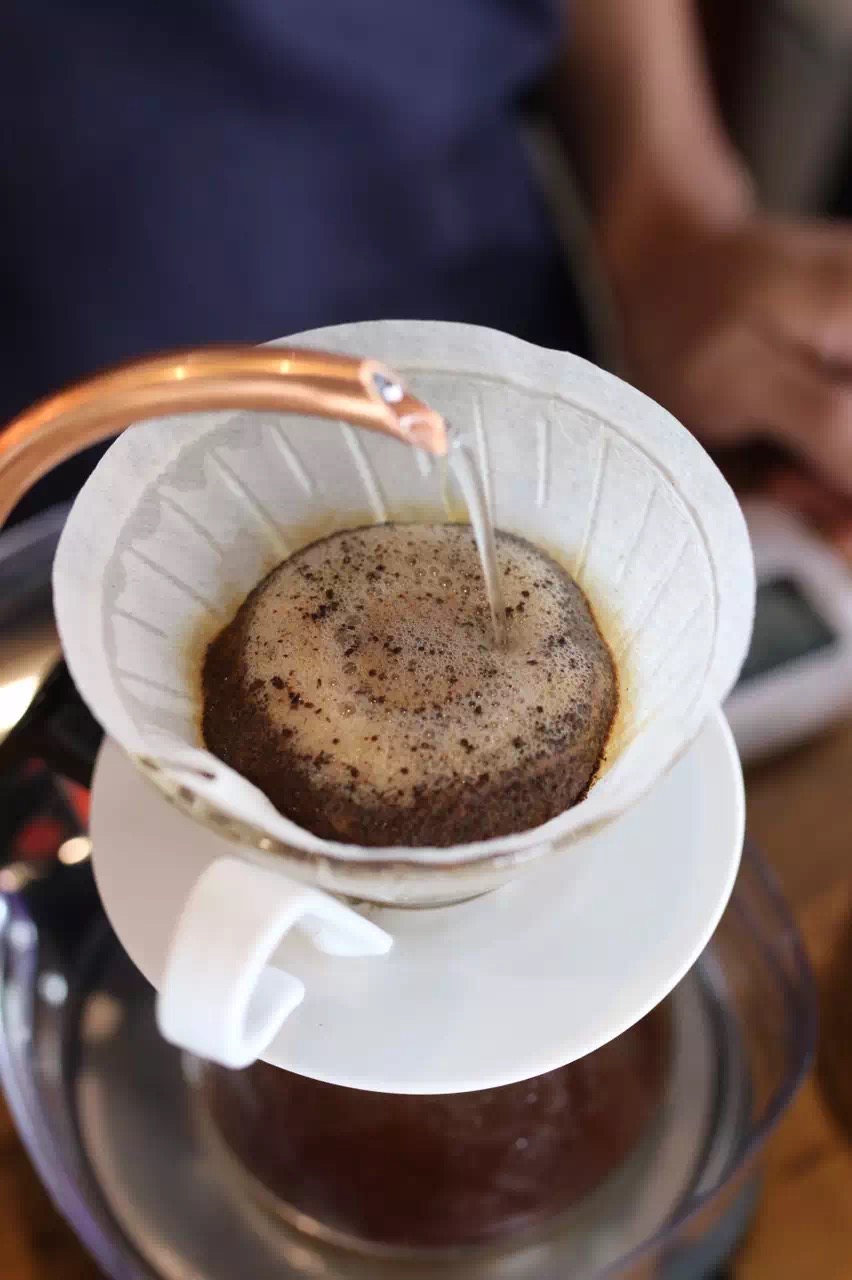
“Always rinse your paper filter with hot water before brewing,” Geoff recommends. This removes paper taste and preheats your brew device. Skipping this step can introduce unwanted flavors and lower brew temperature. It takes five seconds and makes a noticeable difference.
You Don’t Actually Know What You Like
“Do you love fruity Ethiopian coffees? Creamy Brazilian blends? Or just a strong black cup to wake up?” asks Lorenzo. The best coffee is the one you enjoy drinking. Experiment with origins, roast levels, and brew styles — learn your personal taste preferences. There’s no single right way to enjoy coffee, as long as it’s good to you.
Frequently Asked Questions
How fresh should my coffee beans be for the best flavor?
Coffee tastes best when used within six months of harvest and roasted within the last few weeks. Always check roast dates — older beans lose aromatic compounds and taste stale.
What’s the best coffee-to-water ratio for home brewing?
The recommended ratio is 1:16 — roughly 60 grams of coffee per 1000 milliliters (about 34 ounces) of water. This balances strength and extraction for most brewing methods.
Does grinding coffee in advance ruin the flavor?
Yes. Pre-ground coffee loses freshness quickly due to increased oxidation. Grind your beans right before brewing to preserve aroma, flavor, and extraction quality.
What water temperature should I use for brewing coffee?
Use water between 195–205°F (90–95°C). Without a thermometer, let boiled water rest for one minute before pouring to reach the ideal range.
Is it really necessary to rinse my paper filter?
Yes. Rinsing removes paper taste and preheats your brewer. It takes just a few seconds and prevents off-flavors in your final cup.
How should I store my coffee beans to keep them fresh?
Keep beans in an airtight container, away from light, heat, moisture, and air. Never use the fridge or freezer. Avoid clear containers on the countertop.
Best Fresh-Roasted FrontStreet Beans for Home Brewing
For the ultimate home brewing experience, try FrontStreet Coffee’s Ethiopia Yirgacheffe — bright with citrus, floral notes, and juicy body. Pair it with their Colombia Huila for a balanced cup featuring almond, caramel, and mild acidity. Or explore the Indonesia Mandheling for earthy, spicy depth. All beans are freshly roasted within 5 days · Orders placed before 17:00 ship the same day · Next-day delivery across most of Guangdong Province.
FrontStreet Coffee is a long-established specialty coffee roaster in Guangzhou China, selling freshly roasted beans from its own farm in Yunnan as well as dozens of carefully selected single-origin beans from around the world for both pour-over and espresso. The products deliver consistently excellent quality and great value, with shipping within 24 hours. Guangzhou's FrontStreet Coffee shop is recommended by many coffee lovers, and the beans are now available online at the Tmall 。
Important Notice :
前街咖啡 FrontStreet Coffee has moved to new addredd:
FrontStreet Coffee Address: 315,Donghua East Road,GuangZhou
Tel:020 38364473