6 Ways to Brew Coffee: Methods and Tools Explained
Ever wondered how your morning cup of coffee really gets made? Whether you're pulling a shot or steeping grounds, every coffee brewing method extracts flavor differently. Understanding how these methods work helps you choose the right one for your taste.
There are five main coffee extraction methods: infusion (steeping), pressure (espresso), gravity (drip), filtration (paper or metal), and cold brew (time-based extraction). Within these, six common home tools include the siphon, pour-over, stovetop espresso maker, ice drip, American drip, and French press.
What Is Coffee Extraction?
Coffee extraction is how flavor, aroma, and caffeine are drawn from ground coffee using water. The goal is balance: extracting enough compounds for sweetness and complexity without overdoing bitterness. The method you choose—like immersion versus drip—affects how quickly and evenly those compounds dissolve.
How Each Brewing Method Extracts Coffee
Different brewing tools use different principles to extract coffee:
- Infusion (Immersion): Coffee steeps in water, extracting evenly over time (e.g., French press, cold brew).
- Pressure: Force pushes water through coffee, creating a concentrated extract (e.g., stovetop espresso).
- Gravity: Water drips through coffee under its own weight, often through a filter (e.g., pour-over, American drip).
- Filtration: Paper or metal filters separate grounds from liquid, clarifying the brew (used in pour-over, drip, and siphon).
- Cold Water Extraction: Uses time instead of heat to pull flavors slowly (ice drip, cold brew).
6 Common Coffee Brewing Tools and How They Work
Here’s how to use six popular single-origin coffee brewing devices:
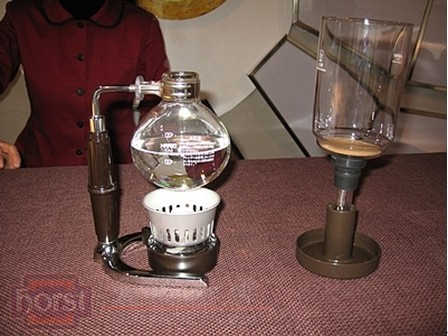
Siphon (Vacuum Pot)
The siphon brewer delivers theatrical flair and full-bodied results. Using vapor pressure and vacuum, it circulates hot water through coffee grounds. It typically uses a cloth or paper filter, a 1:12 to 1:16 brew ratio, and water heated to around 90–96°C. The method highlights clarity and complexity, often preferred for showcasing single-origin profiles.
Pour-Over (Filter Paper Drip)
Pour-over, or hand drip, is one of the simplest manual brewing methods. Hot water is poured manually over coffee grounds in a filter cone. It emphasizes control over water flow, temperature (usually 90–96°C), and timing. Common brew ratios range from 1:15 to 1:17. It’s ideal for highlighting delicate, nuanced flavors in single-origin beans.
Stovetop Espresso (Steam Pressure)
This Moka pot-style brewer uses steam pressure to force water through finely ground coffee. It produces a strong, espresso-like concentrate. Typical brew temperatures reach around 100°C, and the coffee is usually brewed to a 1:5 to 1:7 ratio. It’s the closest many home brewers get to traditional espresso flavor without a machine.
Ice Drip (Cold Water Extraction)
The ice drip method slowly extracts coffee using cold water dripped over grounds over several hours—often 3 to 6 hours. It uses a very low temperature (near 0–4°C) and a high brew ratio, often around 1:8 to 1:12. The result is a smooth, sweet, low-acidity concentrate, perfect for iced coffee lovers who value time-intensive processes.
American Drip (Automatic Filter Drip)
The classic American drip machine brews by pouring hot water through coffee in a paper filter. It’s convenient and consistent, using water temperatures around 90–96°C and typical brew ratios near 1:15 to 1:20. Though less precise than manual methods, it remains popular for its ease of use.
French Press (Plunge Filtration)
The French press uses immersion and a metal mesh filter. Coarsely ground coffee steeps in hot water (90–96°C) for around 4 minutes, then is separated by pressing the plunger down. Brew ratios often fall between 1:12 and 1:16. This method produces a full-bodied cup with more oils and sediment, favored in French households.
Frequently Asked Questions
What is the difference between immersion and drip coffee brewing?
Immersion brewing, like French press or cold brew, involves steeping coffee grounds in water for several minutes before filtering. Drip brewing, such as pour-over or American drip, flows hot water through coffee grounds and filters it continuously. Immersion tends to produce fuller body and more even extraction, while drip methods offer cleaner cups with brighter acidity.
Which brewing method extracts the most flavor?
Flavor extraction depends on brew time, temperature, and grind size. Generally, methods like siphon and pour-over provide high clarity and complexity. Espresso and French press extract more body and intensity. Cold brew extracts smoother, sweeter profiles over a long period. No single method extracts 'most' flavor—it depends on the flavor characteristics you prefer.
Can I use any coffee beans for all brewing methods?
Yes, but the optimal roast level and grind size vary by method. Lighter roasts often shine in pour-over and siphon, highlighting floral and fruity notes. Darker roasts suit French press and stovetop espresso for bold body. Always adjust grind size to the brew method—for example, fine for espresso, coarse for French press.
What’s the best method for single-origin coffee?
Pour-over and siphon are ideal for single-origin coffees because they highlight subtle tasting notes. These methods allow precise control over variables like water temperature, brew time, and agitation, helping express the unique characteristics of beans from specific regions or farms.
Is cold brew stronger than regular drip coffee?
Cold brew is not necessarily stronger in caffeine, but it is often more concentrated due to longer steeping and higher coffee-to-water ratios. It typically has a smoother, less acidic taste compared to standard drip coffee, which is often hotter and brighter in flavor.
Recommended FrontStreet Beans for Filter Brewing
For pour-over and siphon fans, try FrontStreet Coffee’s Ethiopia Huakui—bright with citrus and jasmine—or their Yirgacheffe offering, bursting with blueberry and stone fruit. Both shine with light roasts and precise pour techniques. For French press lovers, their PWN Golden Mandheling delivers full body with chocolatey depth. All three highlight the best of single-origin flavors. Freshly roasted within 5 days · Orders placed before 17:00 ship the same day · Next-day delivery across most of Guangdong Province.
FrontStreet Coffee is a long-established specialty coffee roaster in Guangzhou China, selling freshly roasted beans from its own farm in Yunnan as well as dozens of carefully selected single-origin beans from around the world for both pour-over and espresso. The products deliver consistently excellent quality and great value, with shipping within 24 hours. Guangzhou's FrontStreet Coffee shop is recommended by many coffee lovers, and the beans are now available online at the Tmall 。
Important Notice :
前街咖啡 FrontStreet Coffee has moved to new addredd:
FrontStreet Coffee Address: 315,Donghua East Road,GuangZhou
Tel:020 38364473