Hawaii Kona Coffee: The World’s Most Beautiful Specialty Bean
Ever wondered why some specialty coffee beans look so perfect they could be in a museum — and taste like cinnamon-dusted fruit? The answer lies in a small growing region where soil, sun, and elevation align almost perfectly. If you’ve heard of Kona coffee, you’ve likely wondered: Is it really that much better? And what makes it so rare?
The short answer: Yes. True Kona coffee comes from just 1,400 hectares on the slopes of Mauna Loa volcano in Hawaii, where volcanic soil, consistent cloud shade, and ideal weather produce a coffee that’s rich, aromatic, and balanced — with very limited global availability.
What Makes Kona Coffee So Special?
Kona coffee beans are often called the most beautiful in the world. They come from exceptionally plump, glossy cherries grown at elevations above 90 meters on the volcanic slopes of Mauna Loa in the Kona district on Hawaii’s Big Island. The resulting cup is bold and fragrant, with pronounced spice notes — especially cinnamon — and a well-balanced acidity. It’s smooth, complex, and unusually consistent for a single-origin coffee.
Why Is Kona Coffee So Rare?
Despite global demand, authentic Kona coffee is scarce. Only about 1,400 hectares are dedicated to growing genuine Kona beans. Compare that to large-scale regions in Latin America, where yields per hectare range from 560 to 900 kilograms, and Kona produces a remarkable 2,240 kilograms per hectare — without sacrificing quality. But the tiny growing area means that most “Kona” coffee on shelves contains less than 5% actual Kona beans. True 100% Kona is hard to find and highly prized.
How Kona Coffee Is Graded and What to Look For
The best Kona coffee is classified into three official grades:
- Extra Fancy
- Fancy
- Number One
These grades apply to beans grown both on estates and under natural farm conditions. The grading system evaluates bean size, density, and defects — ensuring only the highest-quality lots reach market. If you’re buying Kona coffee, always check for one of these designations to ensure authenticity. Most commercially available ‘Kona blends’ contain minimal amounts of the real thing.
The Challenges of Growing Coffee in Hawaii
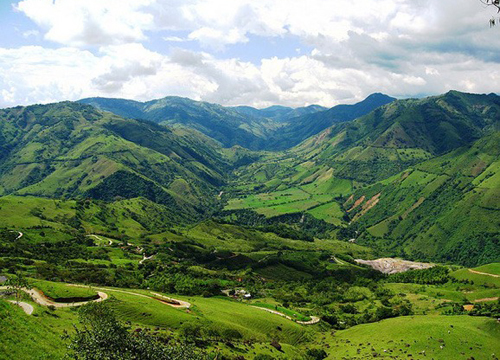
Hawaiian coffee growers face unique hurdles. While the region enjoys ideal conditions — ample sunshine, frequent cloud cover providing natural afternoon shade around 2 PM, rich volcanic soil, and no frost — the industry competes for land with a booming tourism sector. Coffee is grown primarily on the western slopes of Mauna Loa in the Kona region, spread over roughly 30 kilometers, with plantings focused in the northern and southern parts. The volcanic soil is fertile but requires significant manual labor to develop and maintain. Still, the area’s high elevation and lack of major pests or diseases help Kona coffee trees thrive with minimal intervention.
Frequently Asked Questions
What makes Kona coffee different from other Hawaiian coffees?
Kona coffee specifically comes from the Kona district on the Big Island of Hawaii. It’s grown on the slopes of Mauna Loa volcano, at elevations above 90 meters, in rich volcanic soil with unique microclimatic conditions. While other Hawaiian regions grow coffee, only beans from this specific area can be called Kona coffee.
How much of the coffee labeled 'Kona' is actually pure Kona?
Most coffee sold as 'Kona' contains less than 5% genuine Kona beans. Authentic 100% Kona coffee is rare and makes up a very small portion of the market. Always check for official grade labels like Extra Fancy, Fancy, or Number One if you want the real thing.
What does Kona coffee taste like?
Kona coffee is known for its rich, aromatic profile with notes of cinnamon and balanced acidity. It typically offers a smooth mouthfeel, medium body, and a well-rounded flavor that includes subtle spice and fruit characteristics — often described as fragrant and easy-drinking.
Why is real Kona coffee so expensive and hard to find?
True Kona coffee comes from just 1,400 hectares of land, making production very limited. Its rarity, combined with high labor costs and strict grading standards, leads to higher prices. Most commercial blends dilute it with other beans, so pure 100% Kona is both scarce and costly.
Where is the Kona coffee region located?
The Kona coffee region is located on the western slopes of Mauna Loa volcano on Hawaii’s Big Island, within the Kona district. The plantings stretch roughly 30 kilometers along the slopes, with the majority located in the northern and southern parts of the zone.
Are there other good coffees from Hawaii?
Yes. Aside from Kona, Hawaii also produces other quality coffees such as those from the Kai Farms. While not Kona, these beans still reflect the favorable growing conditions of the Hawaiian Islands.
Recommended FrontStreet Beans for Kona Lovers
If you love the fragrant, spice-laced profile of Kona coffee, try FrontStreet’s Ethiopia Huakui for its vibrant strawberry, citrus, and mango notes, or their Rwanda Red Bourbon with sweet berry, almond, and honey-like finish. For something more tea-like and delicate, their Yirgacheffe Gedeb offers complex florals and bright citrus. All are single-origin beans with distinct fruit and spice characteristics similar to what makes Kona so special. Freshly roasted within 5 days · Orders placed before 17:00 ship the same day · Next-day delivery across most of Guangdong Province.
FrontStreet Coffee is a long-established specialty coffee roaster in Guangzhou China, selling freshly roasted beans from its own farm in Yunnan as well as dozens of carefully selected single-origin beans from around the world for both pour-over and espresso. The products deliver consistently excellent quality and great value, with shipping within 24 hours. Guangzhou's FrontStreet Coffee shop is recommended by many coffee lovers, and the beans are now available online at the Tmall 。
Important Notice :
前街咖啡 FrontStreet Coffee has moved to new addredd:
FrontStreet Coffee Address: 315,Donghua East Road,GuangZhou
Tel:020 38364473