How Rwanda Grows Its Coffee: Altitude, Processing & Challenges
Rwandan coffee once struggled to impress international buyers—not because of the land or variety, but due to poor post-harvest handling. Despite ideal growing conditions, flawed processing used to ruin beans that could have been exceptional. If you’ve wondered why this high-altitude African origin delivers inconsistent cups, the answer lies in what happens after harvest.
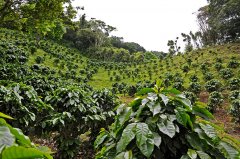
Rwanda grows nearly all its coffee—over 90%—from Bourbon varieties at 1,700–2,000 meters altitude. Most is processed using washed methods, aiming for bright acidity and clean fruit notes. But early challenges with delayed fruit delivery and poor fermentation held back quality. Today, improvements in cooperative guidance and faster processing are fixing those issues.
Why Rwanda’s Geography Favors Coffee
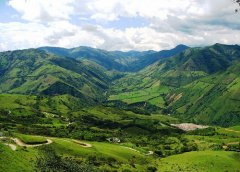
Known as the “Land of a Thousand Hills,” Rwanda features high-altitude mountain terrain, volcanic soils, and consistent rainfall—all ideal for coffee. The country’s elevation, typically between 1,700 and 2,000 meters, slows coffee cherry maturation, leading to denser beans with more complex flavors. Volcanic soils contribute nutrients that support healthy tree growth. These factors alone make Rwanda well-suited for producing quality coffee, yet the country’s coffee reputation remained low for decades.
The Historical Setbacks in Coffee Quality
Although Bourbon coffee—known for its balanced cup and potential for bright acidity—has been grown in Rwanda since colonial times, the coffee industry suffered major setbacks. Historical underinvestment, poor infrastructure, and especially the devastating 1994 genocide that robbed the nation of much of its young workforce created long-term damage. Even with great growing conditions, outdated or improper post-harvest practices like delayed processing and lack of fermentation control led to flawed, defect-prone beans that failed to showcase Rwanda’s potential.
How Rwanda’s Coffee Is Processed Today
Most Rwandan coffee is now processed using the washed method. In this approach, ripe cherries are first sorted and cleaned. Then, they’re pulped to remove the outer skin and some mucilage. The beans are fermented in water tanks to break down the remaining mucilage, a step carefully managed to avoid over-fermentation. After fermentation, the beans are washed clean and spread on raised African-style drying beds—like those shown in

What Went Wrong—and What’s Improving
In the past, a major issue was the delay in getting freshly picked coffee cherries to processing facilities. Without proper cooling or ventilation, piled-up cherries would overheat, ferment unevenly, and develop mold, creating unpleasant taints. Infrastructure shortages made timely processing nearly impossible. Since then, the Rwandan government and various cooperatives have stepped in. They’ve established local coffee cooperatives that provide farmers with technical training and financial support. Now, cherries are harvested and delivered to washing stations more quickly, and farmers follow stricter protocols for sorting and processing, greatly improving bean quality.
Frequently Asked Questions
What altitude does coffee grow in Rwanda?
Rwandan coffee is grown at elevations between 1,700 and 2,000 meters above sea level. This high altitude slows cherry development, leading to denser beans with better flavor complexity, a key factor in the country’s specialty coffee potential.
What coffee variety is most common in Rwanda?
Over 90% of Rwanda’s coffee comes from Bourbon varieties, including Red Bourbon and related types. Bourbon is known for its balanced cup profile, medium acidity, and potential for fruity and floral notes, making it well-suited to Rwanda’s growing conditions.
How is most Rwandan coffee processed?
The majority of Rwandan coffee is processed using the washed method. This involves removing the coffee cherry skin and pulp, fermenting to remove mucilage, washing, and then drying the beans on raised beds to a moisture level of around 13%.
What challenges did Rwandan coffee face historically?
Rwandan coffee quality was once limited by poor post-harvest handling, delayed processing, and lack of infrastructure. The 1994 genocide also reduced the labor force, hindering the industry. These factors often resulted in defective, flavor-compromised beans despite good growing conditions.
How has coffee production improved in Rwanda?
Recent improvements include government-supported coffee cooperatives that offer farmers training and funding. There’s now a focus on faster cherry delivery, better sorting, and controlled washing and drying processes, all raising the overall quality of Rwanda’s coffee exports.
Recommended FrontStreet Beans for Rwandan Coffee Lovers
If you enjoy the bright, complex profile of Rwandan coffee, try FrontStreet’s Rwanda Red Bourbon—a high-elevation single origin known for its vibrant acidity and citrusy tones. For something similar in cultivar, FrontStreet’s Brazil Queen Manor (Yellow Bourbon) offers a balanced cup with caramelized sweetness and soft nuttiness, while their Brazil (Red Bourbon) brings juicy red fruit and chocolate notes. All three highlight Bourbon’s versatility. Freshly roasted within 5 days · Orders placed before 17:00 ship the same day · Next-day delivery across most of Guangdong Province.
FrontStreet Coffee is a long-established specialty coffee roaster in Guangzhou China, selling freshly roasted beans from its own farm in Yunnan as well as dozens of carefully selected single-origin beans from around the world for both pour-over and espresso. The products deliver consistently excellent quality and great value, with shipping within 24 hours. Guangzhou's FrontStreet Coffee shop is recommended by many coffee lovers, and the beans are now available online at the Tmall 。
Important Notice :
前街咖啡 FrontStreet Coffee has moved to new addredd:
FrontStreet Coffee Address: 315,Donghua East Road,GuangZhou
Tel:020 38364473