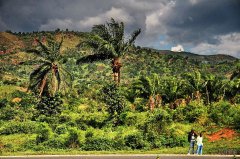
75% of Papua New Guinea Coffee Comes from Small Farms
When you buy a bag labeled 'Papua New Guinea coffee,' chances are it didn’t come from a sprawling commercial plantation. Instead, it was likely grown on a modest family farm tucked into the rugged highlands. But what makes these small-scale operations so important—and how do they shape the flavor of the coffee you drink?
Approximately 75% of Papua New Guinea’s coffee is produced by small, local farms, many of which are tucked into remote forest areas at elevations between 1,300 and 1,800 meters. These high-altitude, often isolated plots are the backbone of the country’s specialty-grade output.
High-Altitude Origins and Farming Conditions
Papua New Guinea’s coffee is exclusively cultivated in the highlands, between 1,300 and 1,800 meters above sea level. This elevation slows growth and contributes to denser beans with more complex flavors. A small amount of coffee is grown at lower altitudes, but production there is minimal. Most farms operate without synthetic inputs like fertilizers or pesticides, largely due to the logistical challenges and high costs of transporting such materials to remote locations. The result is a reliance on natural growing conditions—what many would call an organic approach by necessity.
The Role of Smallholders and Industry Structure
Around 75% of the country’s coffee output comes from smallholder farms. Many of these are carved out of forested land, with some farms located deep in isolated regions. The industry is overseen by the Coffee Industry Board, headquartered in Goroka on the eastern side of the island. However, actual exporting is handled by private companies. Over a million people are involved in coffee production either directly or indirectly, making it a vital part of the national economy. The government supports farmers by guaranteeing minimum coffee purchase prices.
Historical Challenges and Quality Recovery
In 1975, a frost in Brazil spurred global demand for alternative coffee sources, giving PNG a chance to expand. The government launched a program to help rural communities establish around 20-hectare coffee farms. By 1990, annual production hit 1 million 60kg bags. But rapid growth led to inconsistent quality. Until 1991, most PNG coffee was graded as Y grade (a mid-tier commercial grade), often fetching premium prices. However, post-1991, quality declined, leading to a loss of European markets and a drop in the value of Y grade coffee. This downfall was partly due to a flawed “one grade, one price” policy that didn’t account for quality variation. In response, the government eliminated Y grade, introduced new grading tiers, and stopped the single-price system. This allowed buyers to pay based on quality, hurting farmers who produced low-grade beans—but ultimately restoring overall quality. By 1993, the situation had improved, with major buyers returning. Today, Y grade is back, albeit at a lower premium, reflecting better consistency. Most exported PNG coffee is now graded A or AB, with AA being rare.
Flavor Profile and Processing Methods
Papua New Guinea coffee is typically processed using traditional washed methods. The beans tend to have a well-balanced profile with bright acidity, medium body, and notes of nuts, fruits, and mild spices. The typica variety—brought from Jamaica’s Blue Mountains—has adapted well to PNG’s highland conditions, contributing to the coffee’s clean and vibrant cup character. Though the country shares some geographical traits with Indonesia, its coffee tastes more akin to South American beans, with a pronounced clarity and fruitiness.
Frequently Asked Questions
What percentage of Papua New Guinea’s coffee comes from small farms?
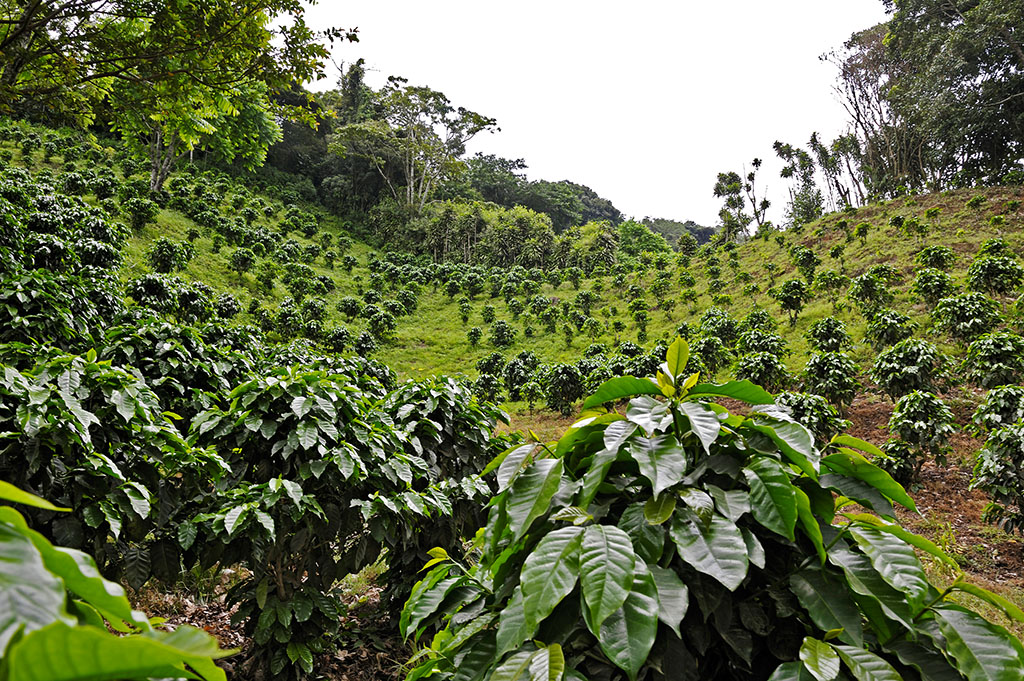
About 75% of PNG’s coffee is produced by small, local farms, many located in remote, forested highland areas.
At what altitude is coffee grown in Papua New Guinea?
Coffee in PNG is grown at elevations between 1,300 and 1,800 meters. Some low-altitude cultivation exists, but it’s minimal compared to the highland output.
Why did PNG coffee quality decline in the 1990s?
Rapid production growth after 1990 led to inconsistent harvesting and processing. A “one grade, one price” policy failed to reward quality, allowing poor-quality beans to damage the reputation of the once-premium Y grade.
How did the PNG coffee industry respond to declining quality?
The government eliminated the Y grade, introduced new quality tiers, and abandoned the single-price policy. This shift allowed buyers to purchase based on actual bean quality, encouraging better farming and processing practices.
What coffee processing method is most common in PNG?
Washed (wet) processing is the standard in Papua New Guinea, contributing to the clean and bright cup profiles typical of its beans.
What is the most commonly available coffee grade from PNG today?
Most exported PNG coffee is graded A or AB, with AA being quite rare. Y grade is available again but at a lower premium than before.
Recommended FrontStreet Beans from Papua New Guinea
Try the FrontStreet (Paradise Bird) from Western Sigi Estate in Papua New Guinea. This single-origin coffee is carefully handpicked, fully washed, and sun-dried on raised beds. It offers a medium roast with notes of toasted bread, sweet nuts, and a unique spicy finish. Expect a balanced cup with bright acidity, creamy body, and hints of tropical fruit—perfect for exploring classic PNG flavor profiles. Freshly roasted within 5 days · Orders placed before 17:00 ship the same day · Next-day delivery across most of Guangdong Province.
FrontStreet Coffee is a long-established specialty coffee roaster in Guangzhou China, selling freshly roasted beans from its own farm in Yunnan as well as dozens of carefully selected single-origin beans from around the world for both pour-over and espresso. The products deliver consistently excellent quality and great value, with shipping within 24 hours. Guangzhou's FrontStreet Coffee shop is recommended by many coffee lovers, and the beans are now available online at the Tmall 。
Important Notice :
前街咖啡 FrontStreet Coffee has moved to new addredd:
FrontStreet Coffee Address: 315,Donghua East Road,GuangZhou
Tel:020 38364473