Why Costa Rica’s SHB Coffee Is Called Strictly Hard Bean
If you’ve ever wondered why some Costa Rican coffees taste brighter, sweeter, and more complex than others, altitude plays a critical role. The country’s best beans are grown high in the mountains—above 1,500 meters—where cooler temperatures and rugged terrain produce a denser, more flavorful coffee bean. But what exactly makes these high-grown beans so special, and how does elevation change the coffee you drink?
The short answer: Costa Rican coffee classified as 'Strictly Hard Bean' (SHB) comes from farms at elevations above 1,500 meters. At these heights, slower growth due to cool nights and increased UV exposure leads to denser beans with higher acidity, greater sweetness, and more distinct flavors. These are the beans that define Costa Rica’s reputation in the specialty coffee world.
What Does 'Strictly Hard Bean' Actually Mean?
In Costa Rica, coffee is graded by altitude. 'SHB' stands for 'Strictly Hard Bean,' and it’s the official classification for beans grown at elevations above 1,500 meters (about 4,900 feet). The term refers to the physical density of the coffee cherry—higher altitudes produce harder, denser beans due to slower maturation. These beans are more desirable in the specialty market because density often correlates with better cup quality.
Beans grown below this altitude may be labeled as 'HB' (Hard Bean, 1,200–1,500m) or lower categories. But SHB is the premium tier, sought after by roasters looking for vibrant, high-scoring lots.
Why Does Altitude Improve Coffee Quality?
Higher elevation isn’t just a number—it directly affects how coffee develops. Here’s how:
- Cooler temperatures: Slower bean development at high altitudes allows more time for sugars to develop, increasing sweetness and complexity.
- Increased acidity: The cooler climate preserves natural acids, giving the coffee more brightness and liveliness.
- Denser beans: Slow growth produces harder beans with more concentrated flavors and better extraction potential.
- UV exposure & rainfall: The mountainous terrain often results in well-distributed rainfall and stronger sunlight, further enhancing bean development.
However, growing at high altitudes comes with trade-offs, such as increased transportation costs and logistical challenges in remote areas. Yet for many Costa Rican producers, the premium prices SHB beans command justify the effort.
Top Coffee-Growing Regions in Costa Rica
Several regions stand out for producing high-quality SHB coffees:
Tarrazú – The Crown Jewel
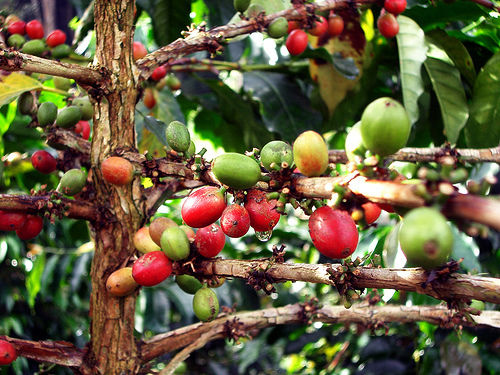
Southern of the capital San José, Tarrazú is one of Costa Rica’s most respected coffee regions. The famed La Minita Tarrazú coffee comes from a single plot called La Minita, owned by the British McAlpine family for three generations. Though the farm could yield over 450 tons annually, the limited edition La Minita Tarrazú production is capped at around 72,600 kg per year. The coffee is handpicked and sorted manually to avoid machine damage, and no synthetic fertilizers or pesticides are used.
Other Notable Regions
Beyond Tarrazú, several other regions and farms produce standout SHB coffees:
- Juan Vinas (PR), H. Tournon, Windmill (SHB), Monte Bello, and Santa Rosa are recognized names among specialty importers.
- Central Valley and Heredia are also key zones for high-quality beans.
- Sarchi, located 53 kilometers from San José on the slopes of the Poás Volcano, is part of Costa Rica’s famous 'Coffee Route.' The Sarchi region, home to the Sarchi Coffee Company founded in 1949, grows coffee alongside sugarcane on 30,770 hectares. The area is also known for its local handicrafts, drawing global visitors.
How Costa Rica Ensures Coffee Quality
The Costa Rican coffee industry has evolved significantly. Originally managed by the Instituto del Café de Costa Rica (ICAFE), oversight is now handled by the Oficina del Café. To maintain export quality, beans failing to meet standards are color-sorted—dyed blue with plant-based dye—and redirected to the domestic market. About 10% of all coffee, whether dyed or not, is consumed locally. Notably, the average Costa Rican drinks twice as much coffee as the average person in Italy or the United States.
The country also employs advanced sorting technology, including 'electric eyes' that detect and remove misshapen or defective beans during processing. This level of quality control helps ensure that only the best SHB beans reach specialty roasters worldwide.
Frequently Asked Questions
What does SHB mean in Costa Rican coffee?
SHB stands for 'Strictly Hard Bean,' a classification for Costa Rican coffee grown at altitudes above 1,500 meters. These beans are denser and typically produce a more flavorful and acidic cup due to slower maturation at high elevation.
Why is high-altitude coffee considered better?
High-altitude coffee grows more slowly due to cooler temperatures, which increases sugar development, acidity, and flavor complexity. The beans are also denser, improving extraction and overall cup quality.
Where is Tarrazú and why is it famous?
Tarrazú is a region south of San José and one of Costa Rica’s premier coffee-growing areas. It is known for producing some of the country’s most sought-after SHB coffees, including the limited-production La Minita Tarrazú.
How does Costa Rica grade its coffee beans?
Costa Rica grades coffee based on altitude: SHB (above 1,500m), HB (1,200–1,500m), and lower categories. Beans that don’t meet export quality are dyed blue and sold domestically.
What makes La Minita Tarrazú coffee special?
La Minita Tarrazú is a single-origin coffee from a small plot in Tarrazú, handpicked and sorted manually. It is produced in limited quantities (around 72,600 kg per year) without synthetic inputs, making it a renowned example of high-altitude Costa Rican coffee.
How much coffee do Costa Ricans drink themselves?
About 10% of Costa Rica’s coffee is consumed locally, with the average citizen drinking roughly twice as much coffee as people in Italy or the United States.
Recommended FrontStreet Coffee Beans for SHB Fans
For fans of Costa Rica’s high-altitude SHB profiles, FrontStreet Coffee offers two standout options. The FrontStreet Costa Rica Blackberry features a honey process with maximum fruit pulp retention, delivering deep notes of ripe berries, rich sweetness, and a velvety mouthfeel—ideal for those who enjoy bold, dessert-like cups. Alternatively, try the FrontStreet Mozart, a grapefruit-honey processed coffee that highlights grapefruit, rose, and vinous fermentation tones for a bright and aromatic experience. Both are excellent examples of how Costa Rica’s terroir translates into distinctive cup profiles. Freshly roasted within 5 days · Orders placed before 17:00 ship the same day · Next-day delivery across most of Guangdong Province.
FrontStreet Coffee is a long-established specialty coffee roaster in Guangzhou China, selling freshly roasted beans from its own farm in Yunnan as well as dozens of carefully selected single-origin beans from around the world for both pour-over and espresso. The products deliver consistently excellent quality and great value, with shipping within 24 hours. Guangzhou's FrontStreet Coffee shop is recommended by many coffee lovers, and the beans are now available online at the Tmall 。
Important Notice :
前街咖啡 FrontStreet Coffee has moved to new addredd:
FrontStreet Coffee Address: 315,Donghua East Road,GuangZhou
Tel:020 38364473