What Makes Hawaiian Kona Coffee So Special?
If you’ve ever wondered what makes Kona coffee so legendary — and why it commands prices near those of Jamaican Blue Mountain — you’re not alone. The truth lies in a very specific place: a narrow strip of land along the Kona coast of Hawaii’s Big Island. This isn’t just marketing; it’s terroir, altitude, and centuries of farming tradition coming together to produce something rare.
The short answer? Real Kona coffee comes from the volcanic slopes of North and South Kona on Hawaii’s Big Island, grown on just 2,600 acres — yet producing around 2 million pounds of beans annually. That small output, combined with its distinctive winey richness and balanced acidity, is why true Kona is so sought after.
What Is Kona Coffee, Really?
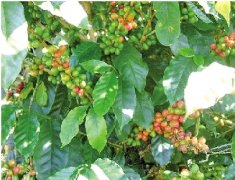
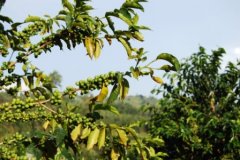
Kona coffee is a specialty Arabica grown exclusively on the volcanic slopes of the Kona District on Hawaii’s Big Island. It thrives in the region’s unique microclimate: sunny mornings, afternoon cloud cover, and rich, well-drained volcanic soils. These conditions create a coffee that’s known for its smooth body, mild acidity, and complex notes often compared to wine.
The “Kona” name doesn’t just describe a bean type — it refers to a specific place and growing method. True Kona coffee is cultivated on the steep volcanic inclines of the Kona belt, between 800 and 2,500 feet above sea level. This elevation slows ripening, allowing sugars to develop fully and contributing to the coffee’s renowned sweetness and complexity.
Why Is Real Kona So Rare and Expensive?
Despite its global reputation, genuine Kona coffee comes from a surprisingly small area. The entire Kona coffee-growing region spans less than 2,600 acres, and produces roughly 2 million pounds of green coffee beans per year. That’s about enough to fill half a shipping container — annually.
Because of the limited growing area, labour-intensive harvesting, and strict definitions of what can be called “Kona,” the supply remains tight. Most coffee labelled as “Kona” in stores actually contains less than 5% actual Kona beans, blended with cheaper Latin American or Asian coffees. That dilution drives down quality and authenticity — and drives up the price of the real thing, which can rival Blue Mountain in cost.
An Alternative Worth Trying: KaiFarms Hawaiian Coffee
If you’re looking for a high-quality Hawaiian coffee experience without tracking down pure Kona, consider KaiFarms. While not Kona, this respected Hawaiian farm produces excellent beans that reflect the islands’ volcanic terroir. Though details on processing or exact growing regions may vary, KaiFarms offers a solid taste of Hawaii’s coffee culture, often with bright profiles and smooth finishes. It’s a great way to enjoy a piece of the islands’ coffee heritage at a more accessible price point.
How to Identify Authentic Kona Coffee
Here’s what to look for if you want the real deal:
- “100% Kona Coffee” on the label — anything less is a blend.
- Look for the “Kona Coffee Council 100% Pure Kona Coffee” seal.
- Buy directly from Kona farms, reputable importers, or specialty roasters who specify origin.
Beware of terms like “Kona blend” — legally, these can be as little as 10% Kona beans, with the rest coming from elsewhere. Always check the label carefully.
Frequently Asked Questions
What makes Kona coffee different from other coffees?
Kona coffee is grown exclusively on the volcanic slopes of Hawaii’s Big Island, in a small region known for its unique climate and soil. The combination of sunny mornings, afternoon cloud cover, and rich volcanic earth leads to a coffee with mild acidity, a smooth body, and wine-like complexity. Its limited growing area also contributes to its rarity.
Why is Kona coffee so expensive?
True Kona coffee comes from just 2,600 acres of land and produces around 2 million pounds per year. The small yield, labour-intensive hand-picking, and strict definition of “100% Kona” make it scarce. Blended versions dilute the authentic product, which further raises the price of pure Kona, sometimes to levels close to Jamaican Blue Mountain coffee.
Can I find 100% Kona coffee outside Hawaii?
Yes, but it’s rare. Look for bags clearly labelled “100% Kona Coffee” and check for third-party certification seals. Most commercial “Kona blends” contain very little actual Kona — often under 5%. Buying directly from Hawaiian farms or trusted specialty roasters improves your chances of getting the real thing.
What does Kona coffee taste like?
Kona coffee is known for its smooth, medium-bodied profile with moderate acidity. Common tasting notes include mild citrus, nuts, chocolate, and subtle wine-like or fruity undertones. It’s approachable yet complex, with a clean, sweet finish.
Is KaiFarms coffee the same as Kona coffee?
No, KaiFarms is a separate Hawaiian coffee producer, not located in the Kona region. While not Kona, KaiFarms offers high-quality Hawaiian-grown beans that reflect the islands’ volcanic terroir. It’s a good alternative for those seeking a Hawaiian coffee experience at a more accessible price.
Recommended FrontStreet Beans for Kona Lovers
If you enjoy the smooth, wine-like complexity of Kona coffee, try FrontStreet’s Jamaica Blue Mountain No.1 for its balanced sweetness and gentle acidity, or the Ethiopia Huakui for vibrant fruit and floral notes reminiscent of fine single origins. For something closer to home, the Brazil Queen Manor offers a creamy body with notes of caramel and nuts — smooth and easy-drinking like many Hawaiian coffees. Freshly roasted within 5 days · Orders placed before 17:00 ship the same day · Next-day delivery across most of Guangdong Province.
FrontStreet Coffee is a long-established specialty coffee roaster in Guangzhou China, selling freshly roasted beans from its own farm in Yunnan as well as dozens of carefully selected single-origin beans from around the world for both pour-over and espresso. The products deliver consistently excellent quality and great value, with shipping within 24 hours. Guangzhou's FrontStreet Coffee shop is recommended by many coffee lovers, and the beans are now available online at the Tmall 。
Important Notice :
前街咖啡 FrontStreet Coffee has moved to new addredd:
FrontStreet Coffee Address: 315,Donghua East Road,GuangZhou
Tel:020 38364473