Why Kona Coffee Commands Premium Prices
If you've ever wondered why Kona coffee costs so much more than your average cup, the answer lies far beyond marketing — it's rooted in the unique interplay of geography, climate, and agricultural conditions found only on Hawaii's Big Island. This isn't just about rarity; it's about how nature conspires to produce a truly superior coffee bean under very specific conditions.
Kona coffee's premium price comes from its limited production zone on volcanic slopes, where ideal conditions yield up to 2,240 kilograms per hectare — over double the typical Latin American output of 600–900 kilograms. The secret? A rare mix of fertile volcanic soil, consistent cloud cover, and a perfectly balanced tropical microclimate.
What Makes Kona Coffee So Special?
Premium specialty coffee, unlike mass-market brews made from low-grade beans, uses carefully selected high-quality beans processed fresh — and Kona coffee is a prime example. When grown and roasted correctly, it's not only delicious but also free from harmful compounds, offering potential health benefits when consumed in moderation. Kona coffee stands out due to its unique terroir.
The Ideal Terroir: Volcanic Slopes and Microclimates
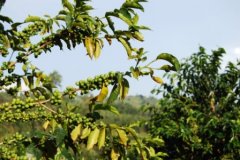
Kona coffee thrives in the volcanic highlands of the Kona district on Hawaii's Big Island. The coffee trees grow on steep volcanic slopes, which provide the necessary elevation for optimal bean development. More crucially, the region's deep, dark volcanic ash soil is exceptionally rich in minerals — a key factor in the coffee's complex flavor profile.
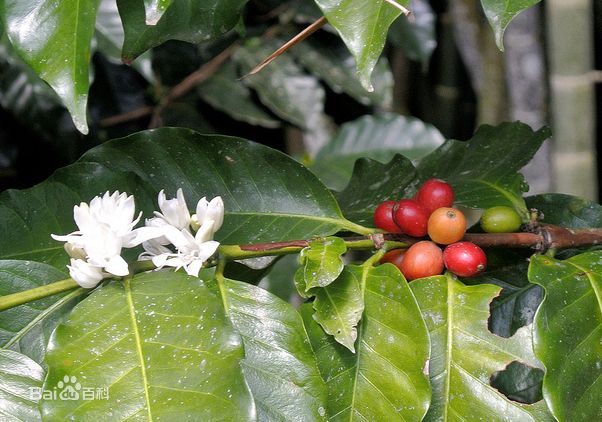
The soil's characteristics are further enhanced by its black volcanic mud, which offers a balanced acidity, abundant mineral content, and ideal moisture retention. This geological foundation is part of what makes Kona coffee physically and flavorfully distinct from other origins.
A Perfect Daily Weather Cycle
The Kona district benefits from a remarkably stable and beneficial microclimate. Each day follows a consistent pattern that protects and nurtures the coffee plants:
- Morning sun filters gently through humid air
- Afternoon brings mountain mists and protective cloud cover
- Evening temperatures cool down significantly
This daily cycle creates ideal growing conditions: gentle morning light, afternoon shade from passing clouds that shield delicate coffee cherry from intense sun, and cooler evening temperatures that slow maturation for better flavor development. The consistent afternoon cloud cover is particularly crucial, as it acts as a natural sunscreen for the coffee trees.
Exceptional Productivity for Specialty Coffee
One of the most surprising facts about Kona coffee is its remarkable yield. The region achieves an average production of 2,240 kilograms of coffee per hectare — a figure that dwarfs the typical Latin American output of just 600–900 kilograms per hectare. This high productivity doesn't come at the expense of quality, thanks to the perfect combination of growing conditions.
The combination of fertile volcanic soil, ideal elevation, and protective microclimate allows Kona farmers to produce more coffee per acre while maintaining the quality standards required for specialty classification. This productivity helps explain some of the economic factors behind Kona coffee's premium pricing, as the region maintains strict geographic standards for what can be labeled as genuine Kona coffee.
Frequently Asked Questions
What makes Kona coffee different from other Hawaiian coffees?
Kona coffee specifically comes from the Kona District on Hawaii's Big Island, grown in a small region of volcanic slopes with unique soil and microclimate conditions. While other Hawaiian islands grow coffee, only beans from this specific district can be labeled as 100% Kona coffee. The combination of volcanic soil, elevation, and daily cloud cover creates Kona's distinctive flavor profile and high productivity.
Why is Kona coffee so expensive compared to other specialty coffees?
Kona coffee commands premium prices due to its limited geographical production zone, labor-intensive hand-picking, and exceptional growing conditions that yield high-quality beans. The strict requirement that authentic Kona coffee must come from the Kona district limits supply, while the ideal combination of volcanic soil, elevation, and microclimate produces unusually flavorful beans. Additionally, the high productivity per hectare (2,240kg) still results in relatively small global supply compared to demand.
How does the volcanic soil affect Kona coffee's flavor?
The volcanic soil in Kona provides an ideal balance of minerals and proper drainage while retaining appropriate moisture levels. This soil composition contributes to the coffee's complex flavor profile, supporting the development of bright acidity and rich, nuanced tasting notes. The balanced acidity of the volcanic black mud also helps create the smooth yet vibrant cup characteristic of high-quality Kona coffee.
Does the cloud cover in Kona actually benefit the coffee plants?
Yes, the daily afternoon cloud cover is crucial for Kona coffee. It acts as natural protection, shielding the delicate coffee cherries and leaves from intense midday sun. This shading effect helps prevent overripening and sun damage while maintaining optimal photosynthesis. The consistent cloud pattern creates ideal growing conditions that contribute to the coffee's balanced sweetness and acidity.
How does Kona's coffee yield compare to other regions?
Kona achieves an impressive average yield of 2,240 kilograms per hectare, which is more than double the typical 600–900 kilograms per hectare produced in Latin America. This higher productivity is possible because of the ideal combination of volcanic soil fertility, elevation, and climate. Despite the higher yield, Kona maintains specialty coffee quality standards, with the productivity helping offset some of the costs associated with its strict geographic origin requirements.
Recommended FrontStreet Beans for Pour-Over
For exploring high-quality single-origin coffees similar to Kona's premium profile, try FrontStreet's BrazilBourbon for its balanced, creamy profile with bright acidity and sweet finish; the ColombiaSidra with its complex fruit notes from double anaerobic processing; or the EthiopiaGedeb for vibrant citrus and floral tones. All are excellent pour-over choices showcasing what specialty coffee can offer. Freshly roasted within 5 days · Orders placed before 17:00 ship the same day · Next-day delivery across most of Guangdong Province.
FrontStreet Coffee is a long-established specialty coffee roaster in Guangzhou China, selling freshly roasted beans from its own farm in Yunnan as well as dozens of carefully selected single-origin beans from around the world for both pour-over and espresso. The products deliver consistently excellent quality and great value, with shipping within 24 hours. Guangzhou's FrontStreet Coffee shop is recommended by many coffee lovers, and the beans are now available online at the Tmall 。
Important Notice :
前街咖啡 FrontStreet Coffee has moved to new addredd:
FrontStreet Coffee Address: 315,Donghua East Road,GuangZhou
Tel:020 38364473