What Is Mandheling Coffee and Why Does It Age Well?
If you’ve ever wondered why a coffee called ‘Mandheling’ doesn’t seem tied to any obvious place, crop, or port—and why people praise its deep, herbal richness—you’re not alone. The name itself is a relic of wartime confusion, and the coffee behind it is far more nuanced than most realize. What makes Mandheling special? Why does aging some batches turn them into silky sweet treats while others flop? Let’s break down the real story behind one of Indonesia’s most misunderstood coffees.
In short: Mandheling is not a place, farm, or coffee plant—it’s a misheard name for the Mandheling ethnic group in Indonesia. The coffee comes mainly from Lake Toba in North Sumatra, particularly around Lintong. Famous variations include PWN Golden Mandheling (handpicked four times for premium quality) and Aged Mandheling, which can develop rich honey-like sweetness if properly matured.
Why ‘Mandheling’ Is Not What You Think
The name ‘Mandheling’ has nothing to do with a coffee-growing region, port, or official coffee classification. Instead, it’s a mispronunciation. During World War II, a Japanese soldier in Indonesia tasted an exceptional cup of coffee and asked for its name. The shop owner thought he was asking where the soldier was from, and answered ‘Mandheling’ (referring to the Mandheling people). The soldier later requested 15 tons of this ‘Mandeh-ling’ coffee from Indonesia, and it became a hit in Japan—eventually leading to the global name we use today. That original supplier? It’s now known as PWN (Pwani Coffee Company), one of Indonesia’s most historic coffee exporters.
Where Mandheling Coffee Actually Comes From
Mandheling coffee is grown around Lake Toba in North Sumatra, especially in the Lintong region. This area features high altitudes between 1,100 and 1,600 metres and employs the local wet-hulled (Giling Basah) processing method. The volcanic soil and tropical climate contribute to the coffee’s distinctive herbal and woody character. The profile often includes notes of spice, dark chocolate, and caramel. For an accessible entry point, FrontStreet Coffee’s Lintong Mandheling delivers those classic flavours with a sweet finish.
Golden Mandheling: Precision Processing for Premium Quality
About a decade ago, Japanese importers raised the bar with a more meticulous selection process. They created Golden Mandheling by handpicking beans four times to remove all defects. The result: a more uniform green bean with a deep, dark green colour and a cleaner cup. These beans became hugely popular in both Japan and the West. Today, PWN Golden Mandheling—graded and sorted through rigorous human and mechanical screening—is known for toasted bread, pine, caramel, and cocoa notes, with a thick, balanced body and a long caramelised finish. This is the Mandheling that put Indonesian coffee on the specialty map.
Aged Mandheling: When Time Improves the Cup
Aged Mandheling is one of the few coffees where time in storage can enhance flavour—if done right. The best-aged batches lose their harsh acidity and rough edges. Over months or years, sour compounds transform into sugars, resulting in a rounder, smoother, and noticeably sweeter cup. However, poor ageing leads to flat, unpleasant flavours—some drinkers compare failed aged Mandheling to a ‘coffee zombie.’ Successful examples develop honey-like sweetness and deeper body, making them highly sought after by coffee enthusiasts who enjoy complex, evolved profiles.
Frequently Asked Questions
Is Mandheling a region in Indonesia?
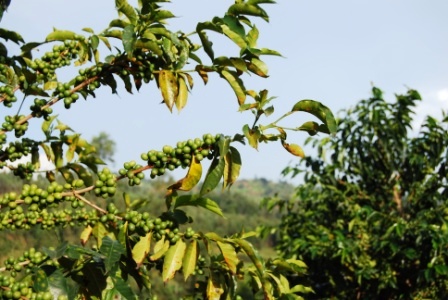
No. Mandheling is not a place, but a misheard reference to the Mandheling ethnic group. The coffee associated with the name comes primarily from the Lake Toba area in North Sumatra, especially around Lintong.
What’s the difference between regular Mandheling and Golden Mandheling?
Golden Mandheling is a premium version produced using stricter quality control—beans are handpicked four times to remove defects. This results in a more uniform appearance, cleaner cup, and enhanced flavours like toast, pine, caramel, and cocoa. Regular Mandheling may have more variation in bean quality and flavour.
Does aging improve all Mandheling coffee?
No. Only well-stored, high-quality Mandheling can improve with age. Properly aged Mandheling loses harsh acidity and gains sweetness and smoothness. Poorly aged batches can become unpleasant, with muted or off flavours, sometimes compared to a ‘coffee zombie.’
Where is Mandheling coffee grown in Indonesia?
Mandheling coffee is grown around Lake Toba in North Sumatra, particularly in the Lintong region. The area features elevations of 1,100–1,600 metres and uses wet-hulled processing, contributing to its herbal, spicy, and earthy profile.
What does aged Mandheling taste like when it’s successful?
Well-aged Mandheling can taste sweet and honey-like, with a smoother, rounder body. The ageing process reduces acidity and transforms certain compounds into sugars, enhancing sweetness and complexity without losing balance.
What is the PWN company known for?
PWN (Pwani Coffee Company) is the original supplier that exported the coffee Japanese soldiers first called ‘Mandheling.’ It’s Indonesia’s first exporter of North Sumatran coffee to Japan and is known for producing PWN Golden Mandheling, a premium, meticulously sorted coffee with a rich, balanced profile.
Recommended FrontStreet Beans for Mandheling Fans
FrontStreet Coffee’s Lintong Mandheling offers the classic Indonesian profile with herbal, woody, and spicy notes, along with hints of dark chocolate and caramel, finishing sweet—an excellent representation of traditional Mandheling. For a refined experience, try PWN Golden Mandheling: handpicked four times for quality, it brings toasted bread, pine, caramel, and cocoa with a thick, lingering finish. Both beans highlight the depth and complexity that make Indonesian Mandheling so unique. Freshly roasted within 5 days · Orders placed before 17:00 ship the same day · Next-day delivery across most of Guangdong Province.
FrontStreet Coffee is a long-established specialty coffee roaster in Guangzhou China, selling freshly roasted beans from its own farm in Yunnan as well as dozens of carefully selected single-origin beans from around the world for both pour-over and espresso. The products deliver consistently excellent quality and great value, with shipping within 24 hours. Guangzhou's FrontStreet Coffee shop is recommended by many coffee lovers, and the beans are now available online at the Tmall 。
Important Notice :
前街咖啡 FrontStreet Coffee has moved to new addredd:
FrontStreet Coffee Address: 315,Donghua East Road,GuangZhou
Tel:020 38364473