What Makes Mandheling Coffee Unique in Flavor and Roast?
If you’ve ever sipped a cup of coffee that tastes like it was brewed in the heart of a dense jungle—earthy, spicy, with a touch of sweetness and zero fruitiness—you’ve likely had Mandheling. But what exactly makes this Indonesian coffee so distinctive? And why do coffee lovers around the world seek it out, especially those who crave bold, full-bodied brews?
Mandheling coffee is known for its deep, rich body, low acidity, and complex flavors including earthy, herbal, spicy, and sometimes woody or chocolatey notes. It’s best enjoyed as a dark roast, brewed using methods like the moka pot, siphon, or espresso machine. The unique wet hulling (or 'giling basah') process gives it its signature profile.
What Is Mandheling Coffee?
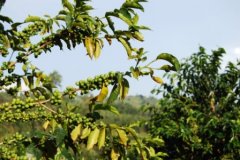
Mandheling is not a coffee variety but a trade name for high-quality Arabica beans grown in Indonesia’s North Sumatra region, particularly in the Aceh and North Sumatra provinces near Lake Toba. Despite its name, it has no direct link to the Mandailing people; the label was historically used by traders. These beans are celebrated for their full body, low acidity, and distinctive earthy and spicy characteristics. The region’s high elevation and volcanic soil contribute to the coffee’s complexity.
Flavor Profile: Earthy, Bold & Spicy
Mandheling is often described as the world’s most full-bodied coffee. Its flavor is less about brightness and more about depth. Key tasting notes include:
- Low to moderate acidity
- Rich, heavy body
- Earthy and herbal aromas (sometimes compared to damp soil or forest floor)
- Spicy and woody undertones
- Sweetness that lingers without being fruity
- Hints of dark chocolate, clove, or even smokiness in darker roasts
There are two well-known grades: Sumatra Mandheling DP Grade 1 and Aged (or 'Vintage') Sumatra Mandheling. DP Grade 1 has a long finish with a wild, forest-floor essence. Aged Mandheling, stored in cellars for three years before export, develops a mellower acidity, intensified body, and deeper spice or nutty tones—sometimes even hints of caramel or dark chocolate. Contrary to what 'aged' might imply, it isn’t stale; it’s deliberately processed for smoother, bolder impact.
Why Does Mandheling Taste So Different?
The secret lies in both terroir and processing. Grown in the high-altitude regions of Lake Toba and the Gayo Mountains, Mandheling beans benefit from rich volcanic soils. But the real game-changer is the wet hulling method (locally called giling basah), unique to Sumatra.
Here’s how it works: coffee cherries are depulped, briefly washed, and then dried to around 30–50% moisture—not fully dry like in traditional washed or natural processes. At this semi-dry stage, the parchment layer is removed while the beans are still soft and pliable. This exposes the green beans directly to air, accelerating drying but also imprinting intense, earthy flavors. The frequent rains in Sumatra make traditional drying difficult, so this method became essential—and defining.
The result? A cup that’s unmistakably bold, often described as 'masculine' in flavor profile, with a heavy mouthfeel and low acidity. It’s not bright or fruity, but it’s deeply satisfying for those who enjoy a syrupy, spicy, and slightly sweet brew.
How to Brew Mandheling Coffee
To get the most out of Mandheling’s heavy body and low acidity, dark roasts are ideal. The roasting process accentuates its inherent spice, wood, and chocolate notes while smoothing out any rough edges.
Recommended brewing methods include:
- Moka Pot: Enhances the boldness and brings out the spicy, earthy base.
- Siphon (Vacuum Pot): Offers clean extraction that highlights complexity without over-roasting the cup character.
- Espresso Machine: Produces a thick, syrupy shot with lingering sweetness and a touch of spice.
If you prefer filter brewing, use a coarse to medium-coarse grind and aim for a brew ratio around 1:15 to 1:16. A bloom phase is essential to lift the heavy aromatics. Avoid overly light roasts, which can accentuate Mandheling’s inherent bitterness or astringency.
Frequently Asked Questions
What does Mandheling coffee taste like?
Mandheling coffee is known for its low acidity, full body, and rich, earthy flavors. Common tasting notes include herbs, spices, wood, dark chocolate, and sometimes a slight floral hint. It lacks the bright, fruity profiles of African coffees, offering instead a bold, smooth, and sometimes spicy cup.
Why is Mandheling coffee so earthy?
The earthy flavor comes from both the wet hulling (giling basah) processing method and the humid Sumatran climate. Beans are hulled at a high moisture content, which imparts intense, earthy, and sometimes mossy or forest-like characteristics. The region’s volcanic soil and high altitude also contribute to its deep flavor profile.
What’s the difference between DP Grade 1 and Aged Mandheling?
DP Grade 1 is a high-quality, freshly processed Mandheling with a long, clean finish and prominent forest-floor or wild herb notes. Aged Mandheling is stored for three years before export, which reduces acidity, boosts body, and develops deeper spice, nutty, or even chocolatey tones for a smoother, more rounded cup.
Is Mandheling coffee a dark roast?
Mandheling tastes best as a dark roast, which emphasizes its natural spice, wood, and chocolate notes. However, it can be roasted to medium-dark levels to preserve some of its inherent sweetness and acidity while still delivering body and complexity.
How should I brew Mandheling coffee at home?
For the best results, use a dark roast Mandheling with a coarse to medium-coarse grind. Try brewing methods like the moka pot, siphon, espresso machine, or a pour-over with a longer brew time. Avoid overly light roasts and fine grinds that can highlight unwanted bitterness.
Recommended FrontStreet Mandheling Beans
For an authentic Mandheling experience, try FrontStreet Coffee’s PWN Golden Mandheling, made from meticulously hand-selected beans with fewer than 3 defects per 300g. It delivers ultra-clean sweetness, a rich body, and low acidity. For a more traditional profile, Lintong Mandheling features bold, spicy, and woody notes with a thick mouthfeel and classic Indonesian earthiness. Both are processed using the signature wet hulling method and are ideal for dark roasts. Freshly roasted within 5 days · Orders placed before 17:00 ship the same day · Next-day delivery across most of Guangdong Province.
FrontStreet Coffee is a long-established specialty coffee roaster in Guangzhou China, selling freshly roasted beans from its own farm in Yunnan as well as dozens of carefully selected single-origin beans from around the world for both pour-over and espresso. The products deliver consistently excellent quality and great value, with shipping within 24 hours. Guangzhou's FrontStreet Coffee shop is recommended by many coffee lovers, and the beans are now available online at the Tmall 。
Important Notice :
前街咖啡 FrontStreet Coffee has moved to new addredd:
FrontStreet Coffee Address: 315,Donghua East Road,GuangZhou
Tel:020 38364473