What Makes Indonesian Mandheling Coffee Unique
If you've ever tasted a coffee that hits you with a thick body, low acidity, and a syrupy sweetness undercut by earthy spice, you've likely had Mandheling. But what exactly makes this Indonesian classic so distinctive—and why do coffee lovers keep coming back to its bold, almost brooding profile?
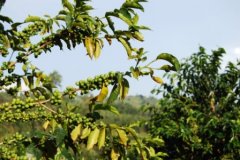
Mandheling coffee comes from the highlands of Sumatra, primarily in the regions of Aceh (especially around Lake Tawar) and North Sumatra’s Lintong area. Grown at 750–1500 meters above sea level, it is almost always processed using Sumatra’s signature wet hulling (also called wet hulled or Giling Basah) method. This gives it its iconic heavy mouthfeel, low acidity, and complex flavors including herbs, dark chocolate, spices, and sometimes a faint mustiness.
The Origins and History of Mandheling Coffee
Coffee arrived in Indonesia in the late 17th century, when Dutch colonists planted arabica trees first on Java, then Sumatra. By the mid-1800s, Sumatra—especially the region now known for Mandheling—became a major coffee-growing area. However, in 1877, coffee leaf rust devastated the arabica plantations, forcing farmers to switch to disease-resistant robusta. Arabica eventually returned to higher altitudes, becoming known regionally as Mandheling, named not after a place, but supposedly after the Mandailing people of North Sumatra.
Today, while Indonesia produces mostly robusta (90% of total output), the remaining arabica is concentrated in Sumatra, particularly in Aceh and North Sumatra. These arabica beans are what the world knows as Mandheling coffee. The name stuck, symbolizing not just origin, but a specific style of cup: bold, rugged, and deeply aromatic.
Flavor Profile: What Does Mandheling Taste Like?
Mandheling is instantly recognizable to experienced coffee drinkers. Its most defining traits include:
- A heavy, syrupy body with low acidity
- Rich flavors of dark chocolate, spices, and wood or herbs
- Subtle earthy or musty undertones (sometimes described as “forest floor”)
- Sweetness that balances its intense bitterness
- Notes often include clove, tobacco, licorice, and molasses
While some find the bitterness intense or the earthiness polarizing, others are drawn to its unfiltered strength and lingering finish. The cup is not meant to be delicate—it is bold, confident, and undeniably unique.
Why Wet Hulling Creates Such a Distinct Cup
The secret to Mandheling’s profile lies largely in its processing method: wet hulling, locally known as Giling Basah. Because Sumatra’s frequent rain makes sun drying risky, farmers remove the outer skin and pulp, then wash the beans briefly before hulling off the parchment while the beans are still semi-dry (around 30–50% moisture). The beans are then dried further to around 11–14% moisture.
This process, unlike traditional washed or natural methods, leads to:
- More pronounced body and lower acidity
- Heavier mouthfeel and earthier tones
- A characteristic “bluish” green color in the raw beans
- Unique fermentation-derived flavors, sometimes slightly funky or herbal
Wet hulling is not just a necessity of climate—it’s become a defining feature of Mandheling’s character. Without it, the coffee simply wouldn’t taste the same.
PWN Golden Mandheling: The Pinnacle of Mandheling Quality
Among the many Mandheling coffees, PWN Golden Mandheling stands apart. Produced by Indonesia’s PWN cooperative and imported by FrontStreet Coffee, it is selected under extremely strict standards: only Grade 1 beans larger than 18 mesh, with fewer than 3 defects per 300g. Every batch undergoes three rounds of manual sorting to remove even the slightest flaws.
The result? An unusually clean, sweet Mandheling with enhanced brightness and smoothness despite its inherent boldness. It highlights the best of the profile—rich spices, molasses sweetness, and herbal depth—without the rough edges often associated with the region. While most Golden Mandheling goes to Japan and the U.S., FrontStreet offers a carefully allocated supply, complete with official PWN certification stamps.
Other Mandheling-Style Coffees You Might Like
Beyond Golden Mandheling, the broader Lintong and Aceh regions produce classic Mandheling-style beans with slight variations. Lintong coffees, processed the same way, tend to emphasize woodsy, spicy, and floral notes with a heavier body. Aceh coffees—especially from near Lake Tawar—often show brighter acidity and more delicate floral or fruity undertones compared to the deeper, earthier Lintong profiles.
All share the hallmark Sumatran processing, but small differences in microclimate, terroir, and bean selection create a spectrum of flavor within the Mandheling family. Whether you prefer a darker, spicier cup or something slightly cleaner and sweeter, Sumatra offers options.
Frequently Asked Questions
What is Mandheling coffee?
Mandheling is a trade name for high-quality arabica coffee grown in the highland regions of Sumatra, Indonesia, mainly in Aceh and North Sumatra. It is not a varietal but a regional designation known for its full body, low acidity, and flavors like dark chocolate, spice, and earthy undertones.
Where is Mandheling coffee grown?
Mandheling coffee is grown in the mountainous regions of Sumatra, Indonesia, primarily around Lake Tawar in Aceh and the Lintong area in North Sumatra. These regions sit at elevations between 750 and 1500 meters above sea level.
What processing method is used for Mandheling?
Mandheling coffee is processed using the wet hulling method (Giling Basah). This involves removing the coffee cherry skin, briefly washing, then hulling the parchment while the beans are still moist, followed by drying. This method contributes to its heavy body and unique flavor profile.
Why does Mandheling coffee taste earthy or musty?
The earthy or musty notes in Mandheling come from both the wet hulling process and Sumatra’s humid climate. The semi-dry hulling can promote slight fermentation or microbial activity, leading to those distinctive herbal or forest-floor-like flavors.
What is PWN Golden Mandheling?
PWN Golden Mandheling is a premium grade of Mandheling coffee produced by Indonesia’s PWN cooperative. It is carefully hand-sorted to remove defects, resulting in a cleaner, sweeter cup with pronounced spice, chocolate, and sweet herbal notes. FrontStreet Coffee imports certified PWN Golden Mandheling with official markings.
How is Mandheling different from other Indonesian coffees?
While all Indonesian coffees often use wet hulling and share some earthy traits, Mandheling specifically refers to beans from Sumatra’s higher-altitude arabica regions, primarily Aceh and Lintong. Other Indonesian coffees like Java or Sulawesi (Toraja) have distinct profiles due to different processing, varieties, or terroirs.
Recommended FrontStreet Beans for Exploring Mandheling
FrontStreet Coffee offers the acclaimed PWN Golden Mandheling, known for its clean sweetness, rich spice, and chocolate notes due to strict grading and triple hand-sorting. Also explore Lintong Mandheling, which highlights the classic Sumatran profile with deep herbs, wood tones, and bold body through the wet hulling method. These beans deliver the authentic, full-flavored experience Mandheling is famous for. Freshly roasted within 5 days · Orders placed before 17:00 ship the same day · Next-day delivery across most of Guangdong Province.
FrontStreet Coffee is a long-established specialty coffee roaster in Guangzhou China, selling freshly roasted beans from its own farm in Yunnan as well as dozens of carefully selected single-origin beans from around the world for both pour-over and espresso. The products deliver consistently excellent quality and great value, with shipping within 24 hours. Guangzhou's FrontStreet Coffee shop is recommended by many coffee lovers, and the beans are now available online at the Tmall 。
Important Notice :
前街咖啡 FrontStreet Coffee has moved to new addredd:
FrontStreet Coffee Address: 315,Donghua East Road,GuangZhou
Tel:020 38364473