Coffee growing belt
If you’ve ever wondered why your Ethiopian Yirgacheffe tastes bright and citrusy while your Sumatra feels earthy and heavy, the answer isn’t just processing—it starts with where the coffee was grown. Not all land can grow great coffee. Only certain regions on Earth offer the right mix of climate, altitude, and soil to produce high-quality beans. So, where exactly are these magical coffee-growing areas?
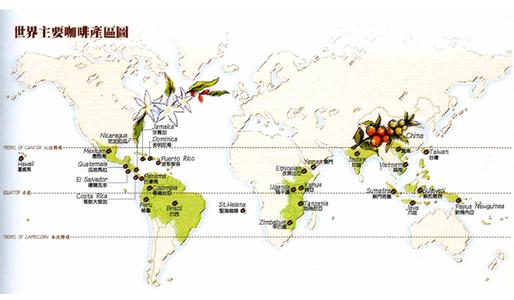
Yes—the world’s best coffee is grown within 25 degrees of the equator, both north and south, in a tropical zone known as the ‘Coffee Golden Belt.’ This includes over 79 countries, including China’s Yunnan Province. The specific combination of latitude, elevation, soil, and climate in each region shapes the flavor of the coffee grown there.
What Is the Coffee Golden Belt?
The ‘Coffee Golden Belt’ refers to the tropical region between the Tropic of Cancer (23.5°N) and the Tropic of Capricorn (23.5°S), more commonly referenced as 25°N to 25°S. This zone provides the ideal climate for coffee: temperatures between 16°C and 25°C year-round, no frost, and consistent annual rainfall of 1600–2000 mm. These conditions create stable environments where coffee plants can thrive and develop complex flavors.
This band wraps around the Earth near the equator and includes major coffee-producing countries like Colombia, Ethiopia, Brazil, Honduras, Kenya, and yes—China’s Yunnan Province. The stable warmth and moisture support slow, even bean development, which is critical for high cup quality.
Why Does Altitude Matter So Much in Coffee?
Altitude is one of the biggest factors influencing coffee flavor. The higher the elevation, the cooler the average temperature—by roughly 0.6°C for every 100 meters. Cooler temperatures slow the coffee plant’s growth cycle, giving the beans more time to absorb nutrients and develop complex sugars and acids.
For every 300-meter increase in altitude, studies show that sucrose content in coffee cherries rises by about 10%. During roasting, these sugars drive the Maillard reaction and other chemical processes that generate aromatic compounds—especially those that deliver acidity and fruitiness. That’s why high-altitude coffees often taste brighter, more acidic, and more nuanced than those grown at lower elevations.
Soil, Sunlight, and Humidity: The Other Key Factors
Beyond elevation and latitude, three more environmental elements critically influence what ends up in your cup:
- Soil: Coffee flavor is also shaped by the mineral content of the soil. Volcanic soils are especially prized for their high levels of sulfur compounds, potassium, and phosphates—all of which contribute to a coffee’s acidity and complexity. Kenyan soils, rich in phosphates, help produce that distinctive tomato-like acidity.
- Sunlight: Too much direct sun accelerates ripening, which can prevent full sugar development. To moderate sun exposure, many farms plant “shade trees” above coffee plants, slowing maturation and improving cup quality.
- Humidity: High humidity aids the formation of apple acids and sugars inside the coffee cherry, which are later absorbed by the bean. Processing methods like honey and anaerobic fermentation can further amplify these sugary notes, resulting in juicy, sweet profiles.
Does China Grow Coffee in the Golden Belt?
Yes—and one of the best examples is Yunnan Province. Located entirely within the Coffee Golden Belt, Yunnan sits between 1000–2000 meters above sea level. Its mountainous terrain, volcanic and fertile soils, distinct day-night temperature shifts, and ample rainfall make it ideal for cultivating distinctive single-origin coffees.
Yunnan’s coffee history began in 1904, when a French missionary introduced Typica seeds to the village of Zhugula in Binchuan County. Today, Yunnan produces mainly washed and natural processed beans, with notable growing regions including Baoshan, Dehong, Pu’er, and Lincang. The area’s unique microclimates allow for a wide range of flavor profiles—from bright and fruity to smooth and balanced.
Among Yunnan’s offerings, FrontStreet Coffee’s Yunnan Arabica beans highlight the region’s terroir. Washed and medium-roasted, their standard Yunnan offering delivers a rounded body with notes of caramel and mild fruit acidity. For a more traditional profile, their 2013 Yunnan Typica is a naturally processed lot with heavier body, pronounced citrus and berry tones, and a sweet, creamy finish. Both are excellent introductions to China’s contribution to the global coffee map.
Frequently Asked Questions
What is the Coffee Golden Belt?
The Coffee Golden Belt is the tropical region between 25°N and 25°S of the equator, encompassing parts of Central and South America, Africa, Asia, and the Pacific. This zone offers ideal coffee-growing conditions: consistent temperatures between 16–25°C, no frost, and 1600–2000 mm of annual rainfall.
Why does coffee grow best near the equator?
Coffee thrives near the equator because these regions provide a stable, warm climate without frost. The consistent temperatures, combined with adequate rainfall and seasonal sunlight, support the slow maturation of coffee cherries, which is essential for developing complex flavors in the beans.
How does altitude affect coffee flavor?
Higher altitudes have cooler temperatures, which slow coffee cherry development. This extended growth period allows beans to accumulate more sugars and acids. For every 300 meters of elevation gain, sucrose levels rise about 10%, leading to greater sweetness, acidity, and aroma during roasting.
Which soils are best for growing coffee?
Volcanic soils are highly beneficial for coffee due to their rich mineral content, including potassium and sulfur compounds that enhance acidity. Soils with high phosphate levels, such as those in Kenya, can also produce distinctive bright, tangy cup profiles.
Does shade help coffee plants?
Yes. Shade trees reduce direct sunlight, slowing the coffee plant’s growth and allowing cherries more time to develop sugars and acids. This results in a more balanced and flavorful coffee bean.
Is Yunnan part of the Coffee Golden Belt?
Yes. Yunnan Province in China lies entirely within the 25°N to 25°S tropical zone. With elevations between 1000–2000 meters, diverse microclimates, volcanic soils, and ample rainfall, Yunnan meets all the key criteria for high-quality coffee production.
Recommended FrontStreet Beans from Yunnan
FrontStreet Coffee’s Yunnan Arabica highlights the region’s terroir with a washed, medium-roast profile offering caramel sweetness and gentle fruit acidity—perfect for exploring Yunnan’s flavor potential. Their 2013 Yunnan Typica is a naturally processed lot with a heavier body, bold citrus and berry notes, and a sweet creamy finish. Both beans showcase the unique characteristics of Yunnan’s high-altitude, volcanic-soil coffee farms. Freshly roasted within 5 days · Orders placed before 17:00 ship the same day · Next-day delivery across most of Guangdong Province.
FrontStreet Coffee is a long-established specialty coffee roaster in Guangzhou China, selling freshly roasted beans from its own farm in Yunnan as well as dozens of carefully selected single-origin beans from around the world for both pour-over and espresso. The products deliver consistently excellent quality and great value, with shipping within 24 hours. Guangzhou's FrontStreet Coffee shop is recommended by many coffee lovers, and the beans are now available online at the Tmall 。
Important Notice :
前街咖啡 FrontStreet Coffee has moved to new addredd:
FrontStreet Coffee Address: 315,Donghua East Road,GuangZhou
Tel:020 38364473