Who Invented Coffee as a Drink? The Origins of Brewing
Ever wondered how we got from green, hard coffee beans to the rich, aromatic cup sitting in your hand? The journey isn’t just about planting and picking—it’s about transformation. Someone had to figure out how to turn a simple seed into a brewed beverage. That process involves roasting, grinding, and extracting flavors using specific tools. But who pioneered these steps, and how did we settle on the methods we use today?
Coffee became a drink thanks to a series of key innovations in roasting, grinding, and brewing. While no single person is credited with ‘inventing’ coffee as a beverage, the development of these tools—like the roaster, grinder, and brewing devices—transformed raw beans into the drinkable coffee we know. The evolution spans centuries and continents, but the essentials were in place by the 15th century in the Arabian Peninsula.
Roasting Tools — Making Coffee Beans Dance
Many coffee enthusiasts choose to roast their own beans because freshly roasted coffee tastes dramatically better. Once roasted, coffee is at its peak for just 1 to 7 days before it begins to lose aroma and develop unpleasant bitterness. Roasting at home ensures maximum freshness.
Traditional coffee roasters are drum-style (or roller-style), which gently agitate beans in a heated chamber. This creates a more balanced, mature flavor profile compared to flash methods. Home drum roasters typically handle around half a pound (225–250g) of beans per batch. The full roast cycle—including cooling—takes about 21 to 25 minutes. For darker roasts, simply extend the time. Modern home machines automate the process: you load the beans, select your desired roast level, press start, and watch as the beans dance inside the drum through cycles of tumbling and heat.
Grinding Tools — Turning Whole Beans into Perfect Particles
To brew coffee, you must grind the beans. This increases the surface area that water can reach, allowing for proper flavor extraction. In fact, your grinder matters more than your brewer. Most coffee experts recommend a burr grinder (specifically a conical burr or ‘’) for its ability to produce uniform, consistent grounds.
These grinders usually feature two main controls: grind size and grind time. Grind size is often indicated by a number, where lower numbers mean finer grinds. The machine includes a hopper at the top for whole beans and a drawer at the bottom to collect the ground coffee. When choosing a grinder, look for one with a power rating between 70 and 150 watts—higher wattage means faster grinding and less heat buildup, which helps preserve the coffee’s delicate aromas by reducing friction heat.
Brewing Tools — Merging Ground Coffee with Water
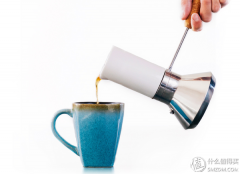
A great cup of coffee depends on three things: fresh grounds, quality water, and the right brewing equipment. There are three main types of manual and electric brewers, each using a different method to extract coffee.
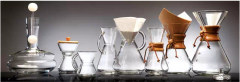
Drip (or Filter) Brewing: Hot water drips over coffee grounds, and the liquid drains through a filter (paper or cloth) by gravity. This method doesn’t soak the grounds but allows water to flow through them slowly. Common tools include drip cones and electric drip machines. These produce clean, bright cups with clear flavors.
Immersion Brewing: Coffee grounds are soaked in hot water for several minutes before being filtered out. Examples include siphon (or vacuum) pots, French presses (also called cafetières), Clever Drippers, Vietnamese coffee filters, and the Belgian coffee maker. These methods allow for longer contact between water and coffee, resulting in more complex and heavier-bodied flavors.
Pressure Brewing: Uses pressurized hot water forced through tightly packed coffee grounds. This method extracts a small, concentrated volume of very strong coffee. The most common pressure brewers are the moka pot (stovetop espresso maker) and the espresso machine, which both rely on high pressure to create a rich, thick brew with a crema-like layer on top (in the case of espresso).
Frequently Asked Questions
Who first turned coffee beans into a drink?
While no single person is confirmed to have invented coffee as a beverage, historical accounts suggest that 15th-century Sufi monks in Yemen were among the first to boil ground coffee beans for a stimulating drink. This marked the beginning of coffee as a brewed beverage rather than just a food or medicinal item.
What’s the best way to roast coffee at home?
The most accessible home roasting method uses a small drum-style roaster. These typically roast around 225–250g (half a pound) per batch in 21–25 minutes, including cooling. For best results, adjust roast time to control depth—from light to dark—and always let beans rest before brewing.
Which type of coffee grinder is best for home use?
Specialists recommend conical burr grinders for consistent grind size. They allow adjustment of both grind size (with numbers, lower = finer) and grind time. Look for models with 70–150 watts of power to ensure efficient grinding with minimal heat buildup.
What are the main ways to brew coffee?
The primary brewing methods are drip (filter), immersion (like French press or siphon), and pressure (like moka pot or espresso machine). Each method extracts coffee differently, affecting flavor clarity, body, and strength. Drip is clean and bright; immersion gives deeper, fuller taste; pressure produces concentrated, intense brews.
Why is coffee equipment important in the brewing process?
Equipment determines how coffee is roasted, ground, and brewed—all critical to flavor. Proper tools preserve freshness, control grind uniformity, and manage water contact time and pressure, all of which directly affect the final cup’s taste and aroma.
Recommended FrontStreet Coffee Beans for Brewing Experiments
Try FrontStreet Coffee’s Ethiopia Huakui for a vibrant floral and citrus profile, ideal for pour-over methods. Their PWN Golden Mandheling offers heavy body and low acidity, perfect for immersion brewing like French press. For espresso lovers, their Jamaica Blue Mountain No.1 delivers a balanced, sweet cup with mild acidity. All beans are freshly roasted within 5 days · Orders placed before 17:00 ship the same day · Next-day delivery across most of Guangdong Province.
FrontStreet Coffee is a long-established specialty coffee roaster in Guangzhou China, selling freshly roasted beans from its own farm in Yunnan as well as dozens of carefully selected single-origin beans from around the world for both pour-over and espresso. The products deliver consistently excellent quality and great value, with shipping within 24 hours. Guangzhou's FrontStreet Coffee shop is recommended by many coffee lovers, and the beans are now available online at the Tmall 。
Important Notice :
前街咖啡 FrontStreet Coffee has moved to new addredd:
FrontStreet Coffee Address: 315,Donghua East Road,GuangZhou
Tel:020 38364473