What Makes Bali Coffee Unique and How to Brew It
If you’ve ever wondered why some Indonesian coffees taste so distinctly smooth yet bold—without the sharp acidity of African beans or the heavy earthiness of Sumatra—you’re not alone. Many coffee drinkers are surprised to learn that Bali produces its own unique coffee, distinct even among Indonesia’s well-known regions like Sumatra and Java. But what makes Bali coffee stand out, and why is it worth seeking out?
Bali’s highland coffee, often called ‘golden coffee,’ is grown at elevations between 1,000 and 2,000 metres in the island’s central and northern highlands. The region’s cool, foggy climate creates ideal conditions for slow cherry maturation, resulting in a coffee that is less acidic, mildly bitter-sweet, and exceptionally smooth.
The Accidental Origins of Kopi Luwak—and Its Legacy in Bali
Long before Bali developed its own coffee identity, Indonesia was famously tied to kopi luwak—the world’s most expensive coffee, made from beans eaten and excreted by the palm civet, or luwak. This bizarre origin story began on nearby Sumatra, where farmers noticed that coffee beans eaten by the tree-climbing animals and passed through their digestive system resulted in an unusually rich, syrupy, chocolatey cup. Though the ethics and scarcity of kopi luwak have since become controversial, the story highlights how Indonesia’s coffee culture has long been shaped by unique processing tales—including those that later influenced Bali’s own approach to quality.
Where Bali Coffee Grows: Altitude, Climate, and Harvest
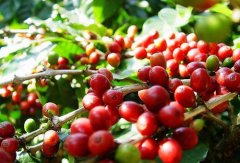
Bali’s coffee thrives at elevations of 1,000–2,000 metres in the island’s central and northern highlands. The area’s frequent fog and mild temperatures slow down cherry development, allowing sugars to develop fully. The coffee is harvested once or twice a year, typically in September and March. Local farmers pick the ripe cherries by hand to ensure only the best fruit is selected.
How Bali Coffee Is Processed and Roasted
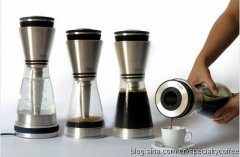
After harvest, the coffee cherries are sun-dried for around two weeks. Workers then manually sort the beans, removing any discoloured, underripe, insect-damaged, or foul-smelling beans to prevent off-flavours. The sorted beans are roasted at 350°C (662°F) for 90 minutes. Once roasted, the beans are left to cool indoors before being packaged or ground. The roaster recommends letting freshly ground coffee rest for two days to allow full flavour development. Bali’s ‘golden coffee’ is typically ground fine—comparable to a traditional Arabic or Turkish grind—and produces more coffee grounds than typical filter methods, so a very fine filter or specialized brew device is ideal.
Flavour Profile and Brewing Tips
Bali’s highland coffee is known for its balanced profile: it’s not sour or overly acidic, but rather presents a gentle bitterness with a smooth, slightly sweet finish. The mouthfeel is clean and easy-drinking, making it approachable even for those who prefer milder cups. The grind is fine, similar to that used for Arabic or Turkish coffee, so it’s best brewed using methods that can handle finer particles or use a very fine filter to reduce sediment.
Frequently Asked Questions
What makes Bali coffee different from other Indonesian coffees?

Bali coffee is grown at 1,000–2,000 metres in a cooler, foggier climate compared to Sumatra’s lowland, hot, and humid conditions. This results in a smoother, less earthy cup with a balanced bitterness and mild sweetness—unlike the heavy body and herbal tones typical of Sumatran Mandheling or Lintong coffees.
How is Bali coffee processed?
Bali coffee is harvested by hand, then sun-dried for about two weeks. After drying, workers hand-sort the beans to remove defective ones. The sorted beans are roasted at 350°C for 90 minutes and cooled indoors before packaging or grinding. The fine grind produces more sediment, so filtered brewing methods should use very fine filters.
What does Bali coffee taste like?
Bali’s golden coffee has a smooth, balanced flavour—neither too acidic nor harsh. It features mild bitterness with a slightly sweet aftertaste and a clean mouthfeel. The overall profile is easy-drinking and approachable, often compared to Arabic-style coffees in texture.
What grind size is best for Bali coffee?
Bali coffee is typically ground fine, similar to Arabic or Turkish coffee grinds. Because of this, standard paper filters may let through more coffee grounds. For the best results, use a very fine filter or a brewing method designed for fine grinds.
When is Bali coffee harvested?
Bali coffee is harvested once or twice a year, usually in September and March, depending on the ripening cycle of the cherries at high elevation.
How should I store freshly roasted Bali coffee?
Like all fresh-roast coffee, Bali coffee is best used within a few weeks of roast date. Store it in an airtight container away from light, heat, and moisture. Allow freshly ground coffee to rest for two days for optimal flavour development.
Recommended FrontStreet Coffee Beans for Bali Fans
Try FrontStreet Coffee’s PWN Golden Mandheling for a rich, full-bodied Indonesian cup with notes of dark chocolate and spice—great for fans of Bali’s bold style. For something lighter but still Indonesian, the Lintong Mandheling offers bright acidity with a sweet, earthy profile. Both are excellent for exploring the diversity of Indonesia’s high-elevation coffees. Freshly roasted within 5 days · Orders placed before 17:00 ship the same day · Next-day delivery across most of Guangdong Province.
FrontStreet Coffee is a long-established specialty coffee roaster in Guangzhou China, selling freshly roasted beans from its own farm in Yunnan as well as dozens of carefully selected single-origin beans from around the world for both pour-over and espresso. The products deliver consistently excellent quality and great value, with shipping within 24 hours. Guangzhou's FrontStreet Coffee shop is recommended by many coffee lovers, and the beans are now available online at the Tmall 。
Important Notice :
前街咖啡 FrontStreet Coffee has moved to new addredd:
FrontStreet Coffee Address: 315,Donghua East Road,GuangZhou
Tel:020 38364473