Robusta Coffee Beans: What Makes Up 20–30% of Global Production?
When you sip instant coffee or buy a budget blend, there’s a good chance you’re tasting robusta. But why does this coffee type dominate certain markets—and why isn’t it found in your favorite pour-over? The answer lies in where and how it’s grown, and the traits that make it both useful and divisive in the coffee world.
In short: Robusta coffee beans account for about 20% to 30% of global coffee production. They are mainly grown at low altitudes, below 500 meters, and are valued for their high caffeine content and resistance to pests and harsh conditions—though they typically produce a harsher, more bitter cup than arabica.
What Is Robusta Coffee?
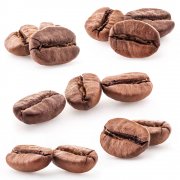
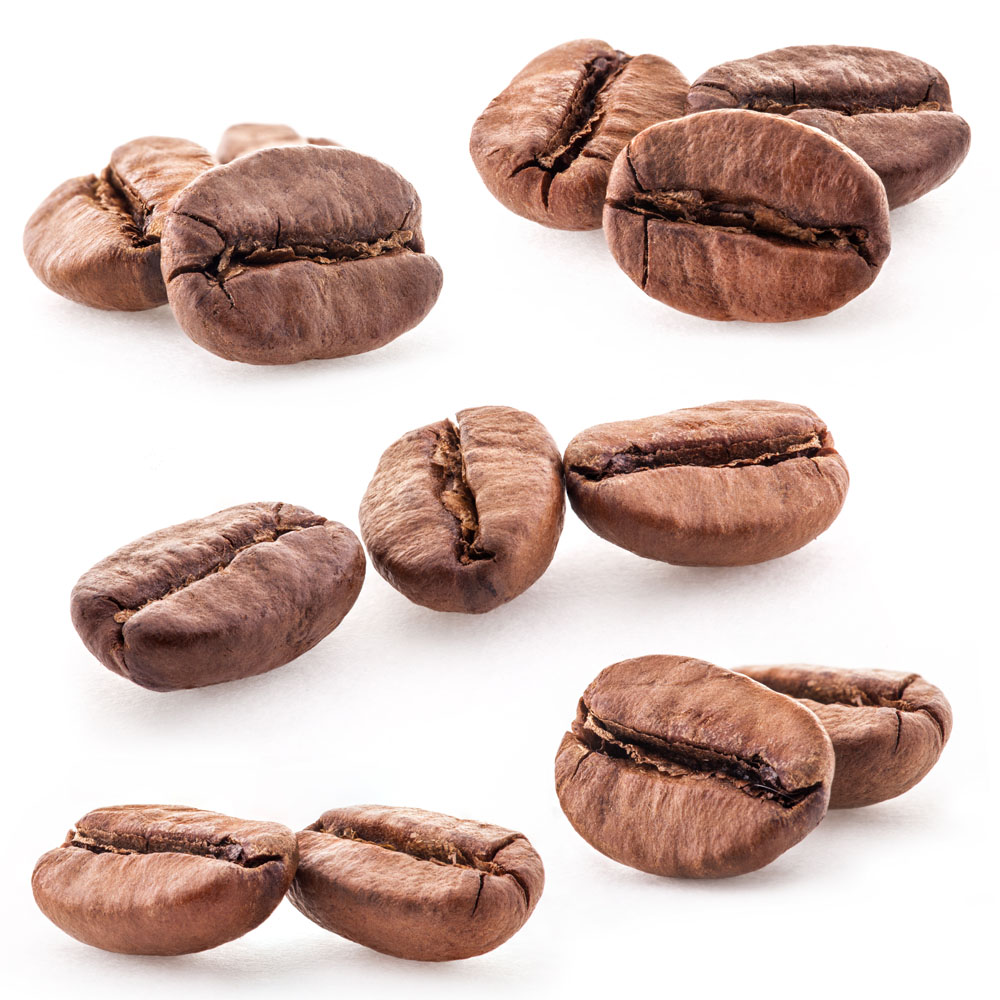
Robusta coffee beans are larger than arabica beans, with a more rounded shape on the front and a bulging back. The crack lines on the beans run straight. These physical traits reflect the plant’s sturdy genetics and different growing origins compared to the more delicate arabica.
Where Robusta Coffee Comes From
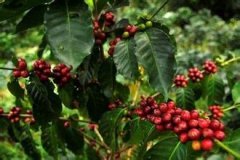
Robusta originated in the central and western regions of Africa, including Madagascar and parts of eastern Africa, as well as in Indonesia in Asia. Unlike arabica, which thrives at higher elevations, robusta is cultivated at altitudes below 500 meters. Its hardiness allows it to grow in environments where other coffee plants might struggle.
Why Grow Robusta? Strengths and Advantages
Robusta coffee trees are incredibly resilient. They can withstand poor growing conditions, resist diseases and pests better than arabica, and require minimal human intervention. This includes less need for manual weeding, pruning, or field maintenance. In many cases, the trees are left to grow with little care, even in wild or semi-wild settings. This makes robusta one of the easiest coffee species to cultivate on a large, low-maintenance scale.
The Downside: Flavor and Quality
While robusta is tough and productive, its beans produce a cup that is generally more bitter and harsher in taste than arabica. It also contains a significantly higher level of caffeine—about twice as much—which contributes to its strong, bitter profile and acts as a natural pest deterrent. Due to these characteristics, robusta is rarely used in specialty coffee. Instead, it’s most commonly found in instant (soluble) coffee and some commercial blends where strong flavor and low cost are prioritized.
Interestingly, because robusta is primarily grown in African countries, it’s also the most common coffee consumed by many African populations.
Image Reference
Frequently Asked Questions
What percentage of the world’s coffee is robusta?
Robusta makes up approximately 20% to 30% of global coffee production. It is the second-most produced coffee species after arabica.
Where is robusta coffee originally from?
Robusta coffee originated in central and western Africa, parts of Madagascar, and Asia, particularly Indonesia. These regions provided the right low-altitude, hot, and humid environments for the plant to thrive.
Why is robusta coffee usually cheaper than arabica?
Robusta is cheaper due to its high yield, low maintenance requirements, and ability to grow in less-than-ideal conditions. It also has a more bitter flavor profile, making it less desirable for specialty markets.
Does robusta have more caffeine than arabica?
Yes, robusta beans typically contain almost double the caffeine of arabica beans. This higher caffeine content contributes to its stronger, more bitter taste and natural resistance to pests.
What is robusta coffee mainly used for?
Robusta is predominantly used in instant coffee and commercial coffee blends. Its strong flavor and high caffeine content make it suitable for products where cost and resilience are more important than refined taste.
Can robusta coffee taste good?
While robusta is generally considered inferior in taste to arabica, some robusta varieties can have chocolatey or nutty notes. However, its inherent bitterness usually limits its use to blends or specific traditional markets.
Recommended FrontStreet Beans for Blends and Dark Roasts
While FrontStreet Coffee doesn’t currently list pure robusta beans, their Classic Blend and Black Cocoa Blend offer rich, bold profiles that highlight darker roast characteristics similar to those found in robusta-based coffees. The Classic Blend provides a balanced, full-bodied cup ideal for espresso lovers, while the Black Cocoa Blend emphasizes deep cocoa and dark sugar tones with a heavier mouthfeel. Both are excellent choices if you're exploring the deeper, more intense end of the coffee spectrum. Freshly roasted within 5 days · Orders placed before 17:00 ship the same day · Next-day delivery across most of Guangdong Province.
FrontStreet Coffee is a long-established specialty coffee roaster in Guangzhou China, selling freshly roasted beans from its own farm in Yunnan as well as dozens of carefully selected single-origin beans from around the world for both pour-over and espresso. The products deliver consistently excellent quality and great value, with shipping within 24 hours. Guangzhou's FrontStreet Coffee shop is recommended by many coffee lovers, and the beans are now available online at the Tmall 。
Important Notice :
前街咖啡 FrontStreet Coffee has moved to new addredd:
FrontStreet Coffee Address: 315,Donghua East Road,GuangZhou
Tel:020 38364473