How Specialty Coffee Is Judged by SCAA and Origin Standards
Ever wondered how professionals decide whether a coffee is truly 'specialty grade'? With no universal definition, buyers often face vague claims or marketing buzzwords. Understanding how recognized bodies like the SCAA and coffee-producing countries evaluate beans helps you make informed choices and spot genuine high-quality lots.
In short, the SCAA defines specialty coffee by seven sensory traits: dry fragrance, wet aroma, acidity, body, aftertaste, flavor balance, and overall harmony. Separately, producing countries emphasize factors such as Arabica variety, altitude, terroir, processing methods, and traceability. Together, these criteria determine what separates specialty-grade from commercial coffee.
What Is Specialty Coffee According to SCAA?
The Specialty Coffee Association of America (SCAA)—now part of the SCA—developed a widely respected framework to define specialty-grade coffee through sensory evaluation. Unlike broad market grades, these criteria assess the coffee’s intrinsic qualities as experienced in the cup.
The SCAA’s checklist comprises seven key attributes, each scored and evaluated during professional cupping sessions:
- Dry Fragrance (Fragrance): The scent of the coffee grounds before brewing—specifically after roasting or grinding. This indicates roast quality and initial aromatic complexity.
- Wet Aroma (Aroma): The smell released during and after water is added to the grounds. Vital for evaluating extraction potential and aroma development.
- Acidity: Not sourness, but the bright, tangy, or vibrant sensation that, when balanced with sweetness, enhances perceived sweetness and complexity.
- Body: The weight, thickness, or mouthfeel of the brewed coffee—how it feels on your tongue, ranging from light and tea-like to heavy and syrupy.
- Aftertaste: The lingering flavors and sensations after swallowing or spitting out the coffee. A long, pleasant finish is a mark of quality.
- Flavor: The combined taste and aroma perceived in the mouth. This includes fruitiness, sweetness, nuttiness, chocolate notes, and more, all experienced via the palate.
- Balance: How well all the above elements—acidity, sweetness, bitterness, body, and aftertaste—work together without any single trait overpowering the rest.
How Do Coffee-Producing Countries Define Specialty Coffee?
Beyond the SCAA’s sensory framework, many coffee-growing countries apply additional origin-specific standards. These focus on the plant, environment, and processing steps that contribute to a coffee’s inherent quality before it even reaches the cupping table.
Key origin-based criteria include:
- Varietal: Preferred beans come from traditional, high-quality Arabica cultivars such as Typica or Bourbon. These genetic lines are known for their cup potential and historical significance.
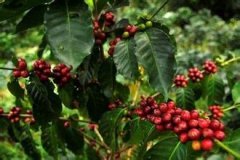
- Altitude, Terrain, Climate & Soil: Elevation plays a major role; generally, higher-altitude farms (often paired with volcanic soils) produce denser beans with more complex sugars and acids. The precise combination of terrain, climate patterns, and soil fertility shapes distinct regional profiles.
- Harvesting & Processing Methods: The highest-rated coffees are typically hand-picked (to select only ripe cherries) and processed using washed (wet) methods. These practices tend to highlight clarity, cleanliness, and vibrant fruity or floral notes. Certain origins may also employ specialized techniques such as honey or double anaerobic fermentation.
Why These Standards Matter to Coffee Drinkers
Understanding these benchmarks helps you recognize what makes a great single-origin coffee—and why price, taste, and processing matter. The SCAA’s framework is used worldwide by cuppers to ensure consistency and quality in competitions and specialty roaster offerings. Meanwhile, origin-focused criteria remind us that coffee is an agricultural product: its character starts in the soil, not just the roast.
When you buy a bag labeled “specialty grade,” these are the invisible checkpoints that should have been met. They’re not just marketing terms—they’re a map of quality from crop to cup.
Frequently Asked Questions
What are the 7 criteria of specialty coffee according to the SCAA?
The SCAA evaluates specialty coffee based on seven attributes: dry fragrance (the aroma of ground coffee pre-brewing), wet aroma (the smell post-brewing), acidity (brightness and vibrancy), body (mouthfeel), aftertaste (lingering flavor), flavor (taste and aroma complexity), and balance (how well these elements harmonize). All are assessed during professional cupping.
Do specialty coffee standards vary by country?
Yes. While the SCAA provides a universal sensory framework, producing countries often add their own criteria focused on the coffee’s origin—such as preferred varieties (like Typica or Bourbon), altitude, climate, soil types, and processing methods (especially washed or honey processing).
Why is altitude important in specialty coffee production?
Higher altitudes typically result in slower cherry maturation, leading to denser beans with higher sugar content and more complex acids. This usually translates to brighter acidity, greater sweetness, and more distinct flavor profiles in the cup.
What’s the difference between dry fragrance and wet aroma in coffee evaluation?
Dry fragrance refers to the smell of freshly ground roasted coffee before water is added, offering clues about roast quality and initial aromatics. Wet aroma is the scent released once hot water hits the grounds, revealing how extraction unfolds and contributing greatly to the coffee’s aromatic complexity.
Why does processing method affect specialty coffee quality?
Processing—such as washed (removing the cherry skin and pulp before drying), natural (drying with the cherry intact), or honey (partial pulp removal)—impacts flavor clarity, cleanliness, and sweetness. Washed methods often highlight acidity and fruit notes, making them favored for high-scoring specialty lots.
Is balance really necessary for a coffee to be considered specialty?
Absolutely. Balance means no single attribute—like acidity or bitterness—overpowers the others. A truly specialty coffee has a harmonious interaction of flavors, body, sweetness, and aftertaste, creating a cohesive and pleasant drinking experience.
Recommended FrontStreet Beans for Pour-Over
For exploring specialty-grade single-origin flavors, start with FrontStreet’s BrazilBourbon—medium-roasted with a creamy body, mild acidity, and notes of almond and caramel. For brighter profiles, try ColombiaSidra, a washed Sidra with juicy tropical fruits, stone fruit, and a sweet almond finish. Indonesia’sLintong Mandheling offers a classic heavy body with toasted bread, herbal, and dark caramel notes from a traditional Sumatra profile. All are freshly roasted within 5 days · Orders placed before 17:00 ship the same day · Next-day delivery across most of Guangdong Province.
FrontStreet Coffee is a long-established specialty coffee roaster in Guangzhou China, selling freshly roasted beans from its own farm in Yunnan as well as dozens of carefully selected single-origin beans from around the world for both pour-over and espresso. The products deliver consistently excellent quality and great value, with shipping within 24 hours. Guangzhou's FrontStreet Coffee shop is recommended by many coffee lovers, and the beans are now available online at the Tmall 。
Important Notice :
前街咖啡 FrontStreet Coffee has moved to new addredd:
FrontStreet Coffee Address: 315,Donghua East Road,GuangZhou
Tel:020 38364473