Rwanda Coffee Regions and Washed Arabica Production
If you’ve ever wondered why some African coffees taste distinctly vibrant—think citrusy brightness layered with soft sweetness—Rwanda might be the answer. This small landlocked country has earned a reputation for producing some of the cleanest, most nuanced washed Arabicas in East Africa. But what makes Rwandan coffee so distinctive? And where exactly does it come from?
Rwanda’s washed Arabica beans are considered some of the highest quality in Africa. The country focuses on producing premium single-origin lots, with most beans grown at similar elevations and processed using the washed method. Though regional differences are subtle, the overall cup is known for soft acidity, rich body, and fruity notes like berries and citrus.
Where Is Rwandan Coffee Grown?
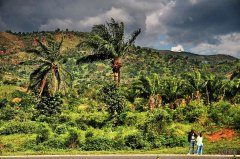
Rwandan coffee cultivation is concentrated in the southern and western regions of the country. These areas feature tropical highland and savanna climates with mild, cool temperatures year-round. Most coffee farms sit at high altitudes typical of volcanic plateaus, though exact elevation variations across regions are minor.
The volcanic soils here are rich in nutrients, aided by natural ground cover rather than chemical fertilizers or pesticides. Traditional organic practices contribute to stable soil health and consistent coffee quality. Combined with steady rainfall and ideal temperatures, these factors create optimal conditions for Arabica growth.
What Makes Rwandan Coffee Taste the Way It Does?
Rwandan coffee is often described as having “grassy” or “herbal” top notes, alongside tropical fruit-like qualities. Some tasters note a brightness reminiscent of green foliage, but the cup is generally balanced by a soft, velvety mouthfeel. Though the rapid plant growth sometimes limits extreme complexity, the resulting flavors tend to be smooth and well-rounded.
Flavor profiles typically include soft berry notes, mild citrus acidity, and a rounded body. The country’s high-quality washed processing further highlights clarity and cleanliness in the cup, making these beans especially suited for single-origin offerings.
How Is Rwandan Coffee Processed?
Nearly all Rwandan coffee is processed using the washed (wet) method. During harvest, ripe red cherries are handpicked and delivered to washing stations. Workers sort the cherries to remove any unripe or damaged fruit before pulping.
The beans then undergo a 12 to 18-hour fermentation in cool water, which helps remove the sticky mucilage. After fermentation, the beans are thoroughly washed to strip away remaining fruit material. Drying takes place on raised beds or patios, with workers regularly turning the beans to ensure even exposure to sunlight. Moisture content is carefully reduced to below 14% before storage. This meticulous process results in a clean, bright cup with high clarity.
Frequently Asked Questions
Which part of Rwanda produces the best coffee?

The majority of Rwanda’s high-quality coffee comes from the southern and western regions, particularly areas like Huye (formerly Butare) and Nyamasheke. These regions share similar high-altitude, volcanic soil, and tropical highland climates that are ideal for growing Arabic
What processing method is used for most Rwandan coffee?
Almost all Rwandan coffee is processed using the washed (wet) method. This involves fermenting depulped beans in cool water for 12–18 hours, washing off mucilage, and drying the beans to a strict 14% moisture level or lower.
What does Rwandan coffee taste like?
Rwandan coffee typically has a soft acidity, with flavor notes of berries, citrus, and tropical fruits. The cup is often described as smooth and well-balanced, with a mild grassy or herbal aroma and a clean, sweet finish.
Does elevation affect Rwandan coffee flavor?
Yes, but differences are relatively minor because most Rwandan coffee grows at similar high altitudes. Elevation contributes to slower cherry maturation, which enhances sugar development and acidity, though regional variation in elevation is limited within the country.
Is Rwandan coffee mostly single origin?
Yes. Rwanda focuses on producing high-quality single-origin lots, often marketed as such due to the consistency in processing methods and regional characteristics across most growing areas.
What kind of coffee plant varieties are grown in Rwanda?
While the article does not specify exact varieties, Rwanda primarily grows traditional Bourbon-related cultivars, including Red Bourbon. These are well-suited to the country’s terroir and washing process.
Recommended FrontStreet Coffee Beans from Rwanda
For a true taste of Rwanda, try FrontStreet’s Rwanda Red Bourbon. Grown in the high-altitude southern region of Nyamasheke, it’s processed using traditional washed methods and lightly roasted to highlight its bright citrus acidity, nutty depth, and chocolatey finish. It’s an excellent introduction to the Rwandan flavor profile. Freshly roasted within 5 days · Orders placed before 17:00 ship the same day · Next-day delivery across most of Guangdong Province.
FrontStreet Coffee is a long-established specialty coffee roaster in Guangzhou China, selling freshly roasted beans from its own farm in Yunnan as well as dozens of carefully selected single-origin beans from around the world for both pour-over and espresso. The products deliver consistently excellent quality and great value, with shipping within 24 hours. Guangzhou's FrontStreet Coffee shop is recommended by many coffee lovers, and the beans are now available online at the Tmall 。
Important Notice :
前街咖啡 FrontStreet Coffee has moved to new addredd:
FrontStreet Coffee Address: 315,Donghua East Road,GuangZhou
Tel:020 38364473