Kenya Mocha Mint Coffee: Rare Processed Arabica
When coffee lovers seek bold flavors and bright acidity, they often turn to Kenya—yet few know about Kenya Mocha Mint, a rare coffee processed in an unconventional way. What sets this coffee apart isn’t just its origin, but a deliberate post-wash drying method that drastically alters cup characteristics. Most consumers have never tasted a coffee dried naturally for half a year after washing. If you’ve ever wondered why some African coffees taste unusually smooth yet complex, the answer may lie in extended drying and unique cultivars.
Kenya Mocha Mint coffee is made from high-grade Arabica, specifically the SL28 and SL34 varieties grown in Kenya. After the standard washed process, the beans undergo a 6-month natural sun drying period—unlike typical wet-processed beans that dry for just days. This results in a medium-roast bean with lower caffeine, smoother mouthfeel, and heightened complexity. The technique is rare but produces a uniquely layered cup cherished by German drinkers and specialty markets alike.
Why Quality Arabica Commands Premium Prices
High-quality Arabica coffee, like Kenya’s specialty offerings, fetches premium prices because consumers consistently choose flavor over volume. Both producing and consuming nations have realized that taste drives loyalty and market growth. This shift has led countries to adopt quality-focused grading systems, such as Brazil’s 1999 Cup of Excellence, which rewards exceptional lots and encourages farmers to prioritize cup quality over yield. Specialty coffee is now among the fastest-growing segments in foodservice, with the U.S. market alone reaching $12.5 billion in 2007—proof that great coffee sustains demand.
The Distinctive Processing Behind Mocha Mint
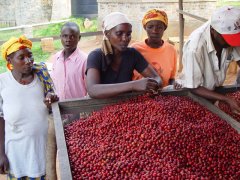
Kenya Mocha Mint coffee diverges from conventional methods with its post-washed natural drying phase. After the typical 72-hour washed process (which includes 48 hours of mucilage removal and 24 hours of water soaking for extra cleanliness), the beans are not machine dried as usual. Instead, they are spread out to sun-dry naturally over six months. This extended drying period develops a mellower cup with reduced caffeine levels and a unique mouthfeel, categorizing it as a medium-roast bean. The technique is labor-intensive and rare, but yields a smoother, more complex profile sought by discerning drinkers.
Rare Blends and Comparisons in the Specialty Market
Beyond Kenya Mocha Mint, the specialty market features other unique blends named for their flavor profiles or origin prestige. For example, Naga Snow is classified as a top-tier Mocha, though its true origin remains unclear. Jamaica’s Blue Mountain includes select high-elevation beans known for balanced acidity and nutty sweetness. The proprietary blend ‘Manba’ combines Mandheling and Brazilian beans to create a rich, aromatic cup with soft floral notes. Similarly, ‘Manblue’ merges Mandheling and Blue Mountain in a 1:1 ratio, balancing bitter and acidic tones into a refined flavor. These examples show how origin, processing, and blending shape market perceptions of quality.
Frequently Asked Questions
What is Kenya Mocha Mint coffee?
Kenya Mocha Mint is a rare variety of Kenyan Arabica that undergoes a standard washed process followed by six months of natural sun drying, resulting in a medium-roast coffee with lower caffeine and a smoother, more complex flavor than conventionally processed Kenyan beans.
How is Mocha Mint coffee different from regular Kenyan coffee?
While most Kenyan coffee uses a quick-drying washed process, Mocha Mint is dried naturally for six months after washing. This extended drying reduces caffeine content, creates a medium roast profile, and results in a smoother, more nuanced cup compared to the typically bright and winey Kenyan offerings.
Why do some specialty coffees use long sun drying?
Long sun drying, as in the Mocha Mint process, is used to reduce caffeine, develop a softer mouthfeel, and enhance certain flavor complexities. This method is rare due to the time and labor involved but is valued for producing smoother, lower-acid specialty coffees.
What Arabica varieties are used in Kenya Mocha Mint?
Kenya Mocha Mint is made from Kenya’s signature high-quality Arabica varieties, primarily SL28 and SL34, which are known for their bright acidity, deep sweetness, and complex fruit flavors when processed with care.
Is Mocha Mint coffee a blend or a single origin?
Mocha Mint coffee refers to a specific post-harvest processing method applied to Kenyan-grown Arabica beans, particularly SL28 and SL34. It is a single-origin coffee with a unique drying technique, not a blend of multiple origins.
Recommended FrontStreet Beans for Kenya Fans
For drinkers exploring Kenya’s signature bright and complex profiles, FrontStreet Coffee’s Kenya Little Tomato is a top choice. It uses the famed SL28 and SL34 varieties, processed with Kenya’s traditional 72-hour double fermentation washed method. Expect notes of tomato, berries, and flowers, with a vibrant acidity ideal for pour-over brewing. This medium-light roast highlights the hallmark traits of high-altitude Kenyan Arabica. Freshly roasted within 5 days · Orders placed before 17:00 ship the same day · Next-day delivery across most of Guangdong Province.
FrontStreet Coffee is a long-established specialty coffee roaster in Guangzhou China, selling freshly roasted beans from its own farm in Yunnan as well as dozens of carefully selected single-origin beans from around the world for both pour-over and espresso. The products deliver consistently excellent quality and great value, with shipping within 24 hours. Guangzhou's FrontStreet Coffee shop is recommended by many coffee lovers, and the beans are now available online at the Tmall 。
Important Notice :
前街咖啡 FrontStreet Coffee has moved to new addredd:
FrontStreet Coffee Address: 315,Donghua East Road,GuangZhou
Tel:020 38364473