How to Blend Coffee Beans for a Blue Mountain Taste
Ever wonder how specialty roasters recreate the balanced, sweet, and clean profile of Jamaican Blue Mountain coffee using beans from around the world? Blending different origins lets you tailor acidity, body, and sweetness—without needing the rare and expensive real thing. But getting that signature Blue Mountain taste takes the right mix.
To mimic the smooth, sweet, and well-rounded profile of Blue Mountain coffee, try blending 60% Jamaica Blue Mountain, 20% Mocha, and 20% Colombian. For blends without Blue Mountain, use 40% Brazilian, 30% Colombian, and 30% Mocha for a bright, acidic base or 50% Brazilian and 50% Colombian for a more balanced cup.
Why Blend Coffee Beans?
Most single-origin coffees have strong, distinct profiles—some are too fruity, others too earthy or bitter. Blending allows roasters (or home brewers) to balance acidity, sweetness, body, and aftertaste. Want something closer to Blue Mountain’s renowned smoothness? You’ll need the right mix of beans that complement each other’s strengths.
Acidic Blends: Bright and Fruity Foundations
To craft a blend with vibrant acidity—similar to the crispness in many high-altitude coffees—try these tested ratios:
- 40% Brazilian, 30% Colombian, 30% Mocha
- 40% Colombian, 30% Brazilian, 30% Mocha
- 40% Mocha, 30% Brazilian, 30% Colombian
- 50% Brazilian, 50% Colombian
- 50% Mocha, 30% Colombian, 20% Java
Brazilian beans bring low acidity and chocolatey sweetness, Colombians add bright citrus and medium body, and Mocha (Yemen) contributes winey complexity. Java, when used, adds a heavy body and earthiness that rounds out the cup.
Bitter and Earthy Blends: Depth and Structure
For darker, more bitter profiles akin to traditional lower-acid coffees, these combinations work well:
- 40% Brazilian, 20% Java, 20% Colombian, 20% Mocha
- 30% Mocha, 30% Brazilian, 20% Colombia, 20% Java
- 60% Mocha, 40% Mandheling (Indonesian)
Mocha and Brazilian beans provide earthy, sometimes woody tones, while Mandheling adds deep body and low acidity. These blends minimize brightness for a heavier, more traditional cup.
Neutral and Balanced Blends: The Middle Ground
If you prefer a cup without extreme acidity or bitterness, neutral-leaning blends offer smooth stability:
- 50% Java, 50% Mocha
- 50% Colombian, 30% Mocha, 20% Mandheling
- 40% Salvadoran, 30% Colombian, 30% Mocha
- 40% Mandheling, 30% Mocha, 20% Brazilian, 10% Guatemalan
Salvadoran and Colombian beans lend gentle fruitiness, while Mandheling and Java add subtle body. Mocha brings complexity without overwhelming the cup.
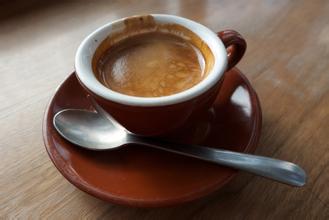
Sweet and Smooth: Getting Close to Blue Mountain
Blue Mountain coffee is known for its clean, sweet, and well-balanced profile—mild acidity, medium body, and notes of cocoa and nuts. To approach that taste without using Blue Mountain beans, the most effective blend is:
- 60% Jamaica Blue Mountain, 20% Mocha, 20% Colombian
This mix delivers the mild sweetness and smoothness characteristic of Blue Mountain, using Mocha for winey depth and Colombian for bright balance. If Blue Mountain isn’t available, a simpler option is 50% Brazilian and 50% Colombian for a neutral, sweetish cup.
Frequently Asked Questions
What is the best blend ratio to mimic Blue Mountain coffee?
The closest blend to Blue Mountain coffee without using actual Blue Mountain beans is 60% Jamaica Blue Mountain, 20% Mocha, and 20% Colombian. This combination offers a balanced, sweet, and clean cup similar to the original. If Blue Mountain isn’t available, a 50% Brazilian and 50% Colombian blend provides a sweet and mild alternative.
Which beans contribute acidity to a coffee blend?
Colombian and Mocha (Yemen) beans are often used for their bright acidity. Colombian adds citrusy notes, while Mocha contributes a winey, vibrant tang. These are common in blends aiming for a lively, acidic profile similar to high-grown coffees.
What beans create a bitter or earthy coffee blend?
Java and Mandheling (Indonesian beans) are known for adding body and earthiness. Blends with 60% Mocha and 40% Mandheling, or those including Java and Brazilian beans, result in deeper, more bitter cups with less acidity and a traditional heavy mouthfeel.
How can I make a neutral-tasting coffee blend?
For a neutral profile, try 50% Java and 50% Mocha, or 50% Colombian, 30% Mocha, and 20% Mandheling. These blends avoid extremes, offering smooth, balanced cups suitable for a wide range of palates without strong acidity or bitterness.
Why use Brazilian beans in coffee blends?
Brazilian beans are widely used in blends for their low acidity, chocolatey sweetness, and heavy body. They’re often the base bean in blends aiming for sweetness, smoothness, and easy drinking, especially when combined with brighter or more complex beans.
Recommended FrontStreet Beans for Blending
For blends inspired by Blue Mountain, try FrontStreet Coffee’s Jamaica Blue Mountain No.1 — grown at 1310m in the Blue Mountains of Jamaica, it offers a clean, sweet profile with notes of milk chocolate and mild citrus. Pair it with FrontStreet’s Mocha (Yemen) for winey complexity, or their Colombian beans for bright acidity. All are carefully sourced and roasted to preserve origin character, making them ideal for custom blends. Freshly roasted within 5 days · Orders placed before 17:00 ship the same day · Next-day delivery across most of Guangdong Province.
FrontStreet Coffee is a long-established specialty coffee roaster in Guangzhou China, selling freshly roasted beans from its own farm in Yunnan as well as dozens of carefully selected single-origin beans from around the world for both pour-over and espresso. The products deliver consistently excellent quality and great value, with shipping within 24 hours. Guangzhou's FrontStreet Coffee shop is recommended by many coffee lovers, and the beans are now available online at the Tmall 。
Important Notice :
前街咖啡 FrontStreet Coffee has moved to new addredd:
FrontStreet Coffee Address: 315,Donghua East Road,GuangZhou
Tel:020 38364473