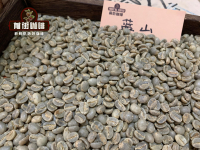
What Makes Jamaican Blue Mountain Coffee Unique?
When people talk about Jamaica and coffee, they immediately think of one name: Jamaican Blue Mountain. It’s the coffee everyone’s heard of—but few have tried. Renowned for being ‘the best,’ it’s often described as the gold standard of balance: not too acidic, not too bitter, smooth and fragrant. But with such a lofty reputation comes a steep price. Is it really worth it? And what makes it so special in the first place?
Jamaican Blue Mountain coffee is celebrated for its exceptional balance—low acidity, gentle bitterness, and a smooth, sweet profile. Its flavor includes notes of nuts, chocolate, honey, and light fruit. Officially, only coffee grown at elevations above 1,000 meters in Jamaica’s Blue Mountains and certified by the Jamaican Coffee Industry Board can use the name.
What Is Jamaican Blue Mountain Coffee?
Not all coffee from Jamaica is Blue Mountain. The term strictly refers to beans grown in the Blue Mountain region of eastern Jamaica, at elevations over 1,000 meters. This area includes three main districts: St. Andrew, Portland, and St. Thomas. The most famous estate today is Mavis Bank, whose coffee barrels are marked M.B.C.F—a common sight in Taiwan. The coffee is carefully regulated by Jamaica’s government-backed Coffee Industry Board, which also issues official certification stamps.
The name originally came from two early farms—Wallenford and Silver Hill—with Wallenford once considered the finest. Today, however, Blue Mountain coffee is defined by geography and certification, not farm names. The coffee grows in a small area of just 6,000 hectares, surrounded by much larger regions producing other types of Jamaican coffee.
Why Is It So Expensive and Rare?
Jamaican Blue Mountain coffee production is tiny—under 2,500 metric tons per year—and only a fraction reaches global markets. Most historically went to Japan, which still buys the majority. This limited supply, combined with high demand and strict quality controls, keeps prices elevated. The region’s coffee farms span just 6,000 hectares, while other classified Jamaican coffees—like High Mountain Supreme and Jamaica Prime—are grown on an additional 12,000 hectares, but aren’t Blue Mountain.
Despite its fame, much of what’s sold as ‘Blue Mountain coffee’ outside Jamaica isn’t the real thing. Many cafes and retailers offer so-called ‘Blue Mountain-style’ blends, which may contain no actual Blue Mountain beans. True Blue Mountain coffee must come from the defined high-elevation zone and carry official certification.
Flavor Profile: Why Blue Mountain Coffee Tastes So Smooth
Unlike bright, fruity African coffees or bold, dark-roasted espressos, Jamaican Blue Mountain is all about balance. It avoids extremes—it doesn’t have sharp acidity like Ethiopian beans, nor heavy bitterness from dark roasts. Instead, it offers a well-rounded cup with mild acidity, medium body, and a clean, sweet finish.
Expect tasting notes such as:
- Cream
- Caramel
- Chocolate
- Nuts
- Honey
- Light fruit
The cup is often described as silky and approachable, with a gentle brightness upfront, rich sweetness in the middle, and a clean, lingering finish. It’s frequently cited as one of the most crowd-pleasing specialty coffees, appealing even to casual drinkers.
How to Identify Real Blue Mountain Coffee
There’s no QR code or blockchain trail for genuine Blue Mountain coffee, but there are ways to verify authenticity. Legitimate beans are exported in traditional wooden barrels—typically 15, 45, or 70 kilograms—that carry official markings. Importers should provide documentation proving the coffee’s origin and certification status. Reputable sellers, like those offering images of the original wood barrels and estate certificates, are more likely to be selling the real thing.
For example, some FrontStreet Coffee materials show the Mavis Bank certificate and original wooden barrels used for shipping. These physical traits and export records are key indicators of authenticity. If a seller can’t provide clear evidence of origin, the coffee may not be genuine Blue Mountain.
How to Brew Jamaican Blue Mountain Coffee
Thanks to its balanced profile, Blue Mountain coffee shines in almost any brewing method—pour-over, French press, moka pot, or espresso. But to get the most out of its delicate flavors, here are two recommended techniques:
Pour-Over (Hand Drip)
Ideal for highlighting its subtle sweetness and layered flavors.
- Brew ratio: 1:15 to 1:16 (coffee to water)
- Water temperature: 85–88°C
- Grind size: Medium-coarse

This setup brings out notes of cream, caramel, and nuts, while keeping the acidity bright and the mouthfeel clean. The result is a transparent cup with distinct layers.
Moka Pot
For a richer, more intense experience.
- Use a slightly finer grind than for pour-over
- Medium heat
- Pour off coffee just before the brew finishes dripping
This method boosts chocolate, caramel, and nut flavors, giving a fuller body that still retains Blue Mountain’s inherent balance. It also works well in milk drinks like lattes or flat whites.
Note: The vaunted Blue Mountain No.1 grade represents the highest quality classification—beans are sorted for size and defects, then typically roasted to medium-dark levels to enhance their balanced nature. The resulting cup delivers chocolate, nuts, cream, and a soft sweetness in harmony.
Frequently Asked Questions
What is the difference between Jamaican Blue Mountain and regular Jamaican coffee?
Jamaican Blue Mountain coffee is grown at elevations above 1,000 meters in a specific region of eastern Jamaica and is certified by the Jamaican Coffee Industry Board. Other Jamaican coffees, such as High Mountain Supreme or Jamaica Prime, are grown at lower altitudes and in larger regions, and do not have the same balance or certification.
How much Blue Mountain coffee is produced each year?
Jamaican Blue Mountain coffee production is limited to under 2,500 metric tons annually, making it one of the rarest and most exclusive coffees in the world.
Why is Jamaican Blue Mountain coffee so expensive?
Its high price is due to limited production (less than 2,500 tons per year), high demand—especially historically from Japan—and strict certification and quality controls. Only coffee from a designated high-altitude region with official approval can be called Blue Mountain.
Can I find real Blue Mountain coffee outside Jamaica?
Yes, but it’s rare. Look for importers who provide documentation or show evidence of the traditional wooden barrels (15, 45, or 70kg) and certification stamps. Many products labeled “Blue Mountain” are actually blends that may contain no actual Blue Mountain beans.
What does Jamaican Blue Mountain coffee taste like?
It tastes balanced and smooth, with mild acidity, medium body, and a clean finish. Common flavor notes include cream, caramel, chocolate, nuts, honey, and light fruit.
What’s the best way to brew Jamaican Blue Mountain coffee?
It performs well in all brew methods, but pour-over (1:15–1:16, 85–88°C, medium-coarse grind) highlights its sweetness and clarity, while a moka pot enhances its richness and chocolatey depth.
Recommended FrontStreet Coffee for Blue Mountain Fans
Try FrontStreet Coffee’s detailed guide and single-origin offerings to explore the legendary balance of Blue Mountain-type profiles. While FrontStreet doesn’t sell Jamaican Blue Mountain directly, their educational resource “” explains what makes the real thing unique, including insights on No.1 grade beans, certification, and classic flavor notes like nuts, chocolate, and honey. Their expert breakdown helps you appreciate true high-elevation balanced coffees. Freshly roasted within 5 days · Orders placed before 17:00 ship the same day · Next-day delivery across most of Guangdong Province.
FrontStreet Coffee is a long-established specialty coffee roaster in Guangzhou China, selling freshly roasted beans from its own farm in Yunnan as well as dozens of carefully selected single-origin beans from around the world for both pour-over and espresso. The products deliver consistently excellent quality and great value, with shipping within 24 hours. Guangzhou's FrontStreet Coffee shop is recommended by many coffee lovers, and the beans are now available online at the Tmall 。
Important Notice :
前街咖啡 FrontStreet Coffee has moved to new addredd:
FrontStreet Coffee Address: 315,Donghua East Road,GuangZhou
Tel:020 38364473