
What Is Jamaica Blue Mountain Coffee? Flavor, Grade & How to Brew
When coffee lovers talk about the ultimate cup, Jamaica Blue Mountain often tops the list—but what makes it so special? Is it the terroir? The processing? Or just marketing hype? If you've heard stories of its legendary balance or seen its premium price tag, you're probably wondering: what exactly sets this coffee apart, and is it really worth it?
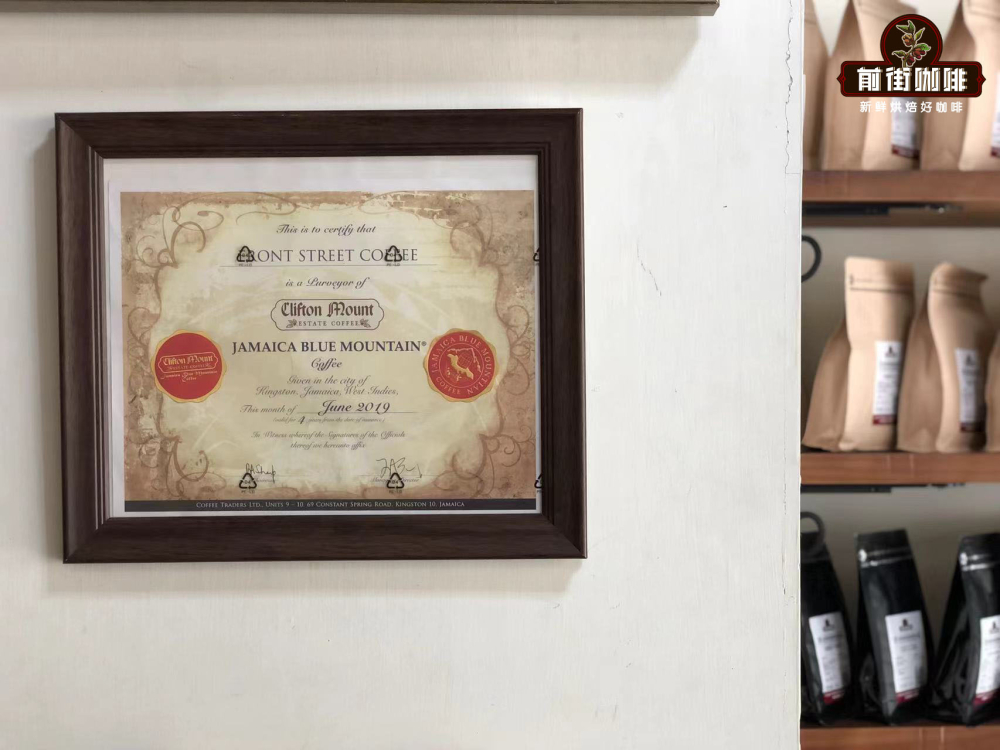
Jamaica Blue Mountain No.1 is the highest-graded Blue Mountain coffee, with beans sized 17–18 mesh, a maximum 3% defect rate, 10–12.5% moisture content, and a cup profile that balances chocolate, hazelnut, and caramel flavors with bright acidity and smooth body. Only coffee certified by Jamaica’s Coffee Industry Board (CIB) can carry the official label.
Where Is Jamaica Blue Mountain Coffee From?
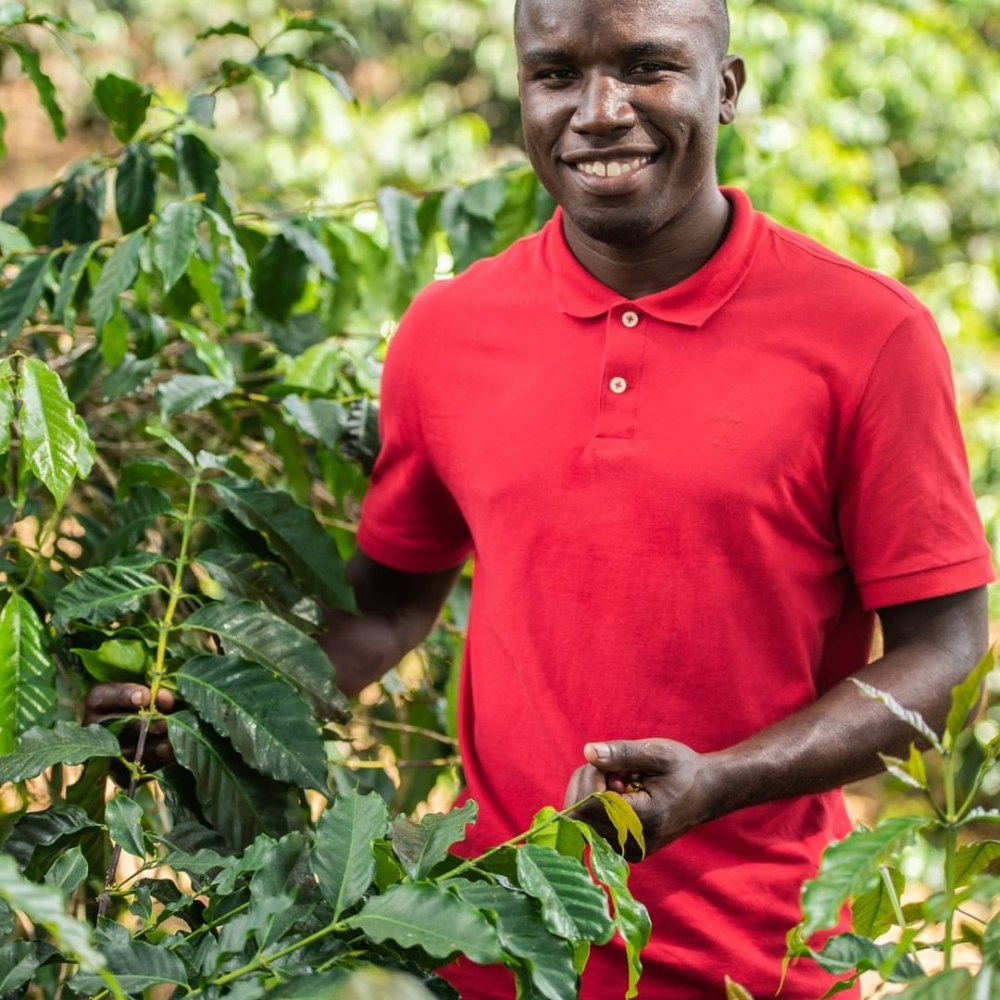
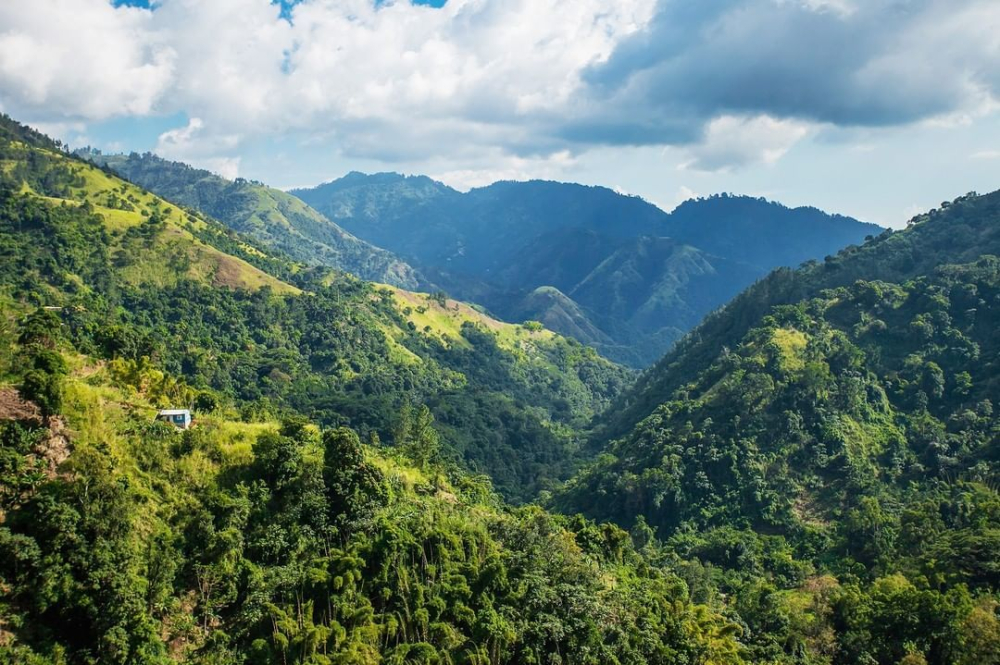
Jamaica Blue Mountain coffee comes exclusively from a defined region on the eastern side of Jamaica’s Blue Mountains, within the parishes of St. Andrew, St. Thomas, Portland, and St. Mary. The area sits between 910 and 1,700 meters above sea level—well within the ideal tropical coffee band between 25°N and 25°S. The steep terrain, frequent cloud cover, and fertile volcanic soil create a microclimate with consistent shade, cool temperatures, and well-distributed rainfall, all crucial for slow cherry maturation and complex flavor development. Coffee here is often intercropped with banana and avocado trees, which offer additional shade and ecological balance.
Why Is Blue Mountain Coffee So Revered?
The prestige of Jamaica Blue Mountain coffee stems from both its limited production and tightly controlled quality standards. First planted in the 1700s under Governor Nicholas Lawes, the industry faced ups and downs—including a major decline after slavery ended—until the government stepped in during the late 1800s and early 1900s to regulate cultivation and establish the CIB in 1950. The CIB enforces strict growing regions, bean size grading, and quality checks. Blue Mountain coffee is sorted into four grades based on bean size and defects: No.1 (17–18 mesh, ≤3% defects), No.2 (16 mesh), No.3 (15 mesh), and PB (peaberry, 10 mesh). Only beans meeting these criteria—and passing the CIB’s sensory evaluation for balanced acidity, sweetness, bitterness, and aroma—can be labeled and exported as Jamaica Blue Mountain.
How Did Japan Shape Blue Mountain’s Global Supply?
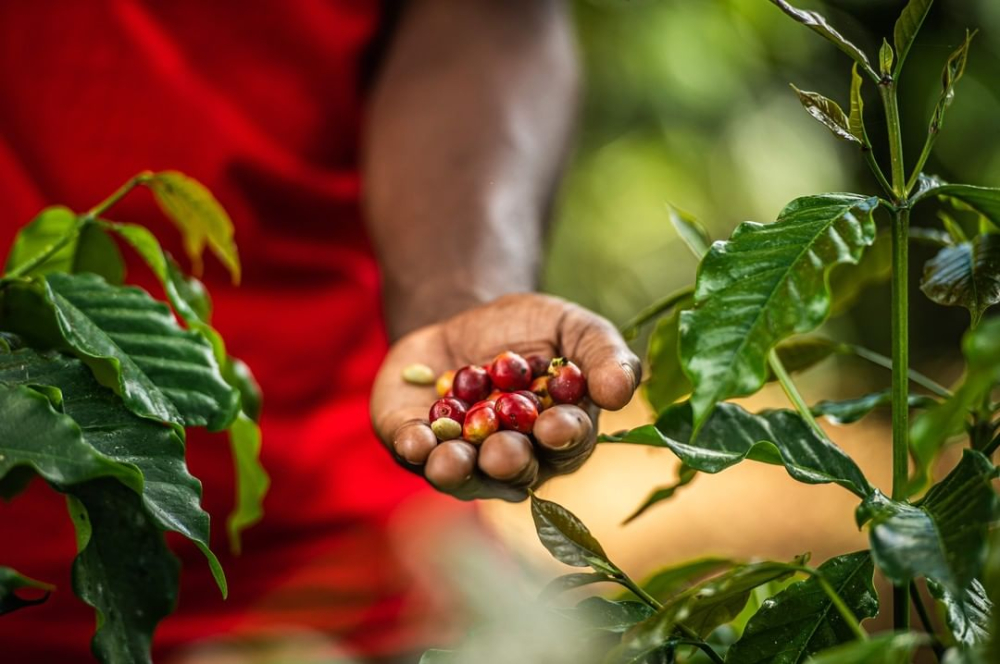
In the 1960s, hurricanes devastated Jamaica’s coffee farms, prompting aid from Japanese company UCC. In gratitude, Jamaica signed a 30-year agreement in 1972 granting Japan priority access to 90% of Blue Mountain production, with just 10% allocated to other markets. This long-term arrangement not only stabilized the industry but also created the perception of exclusivity—especially as most global consumers outside Japan rarely encountered the real thing. Even today, true CIB-certified Jamaica Blue Mountain remains rare outside select import channels.
What Makes Jamaica Blue Mountain No.1 Different?
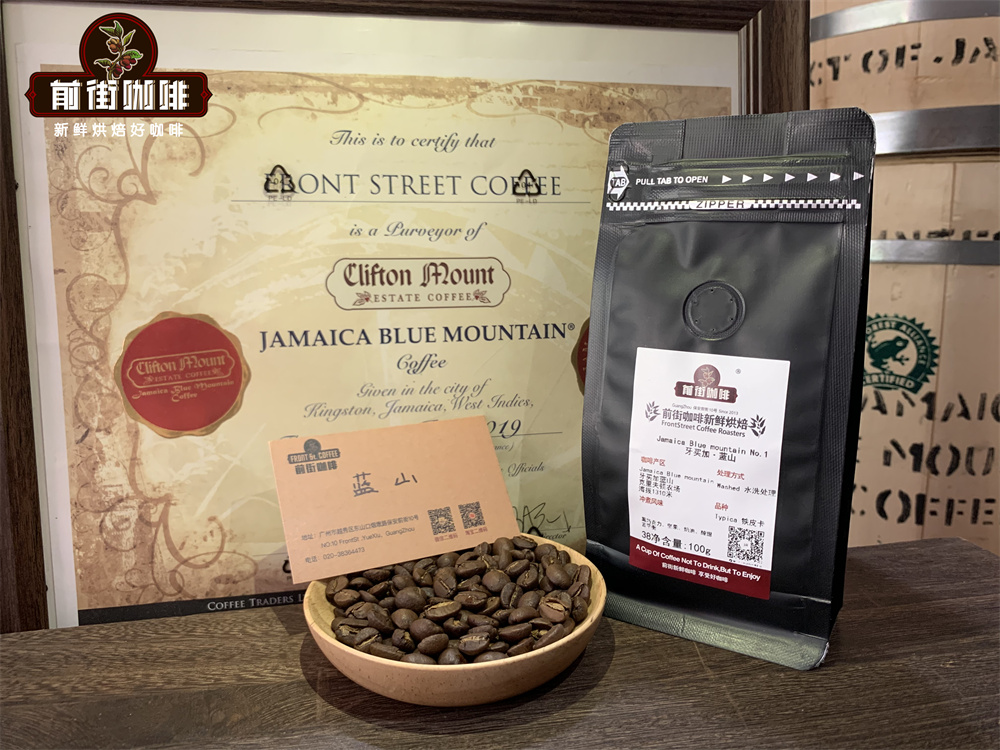
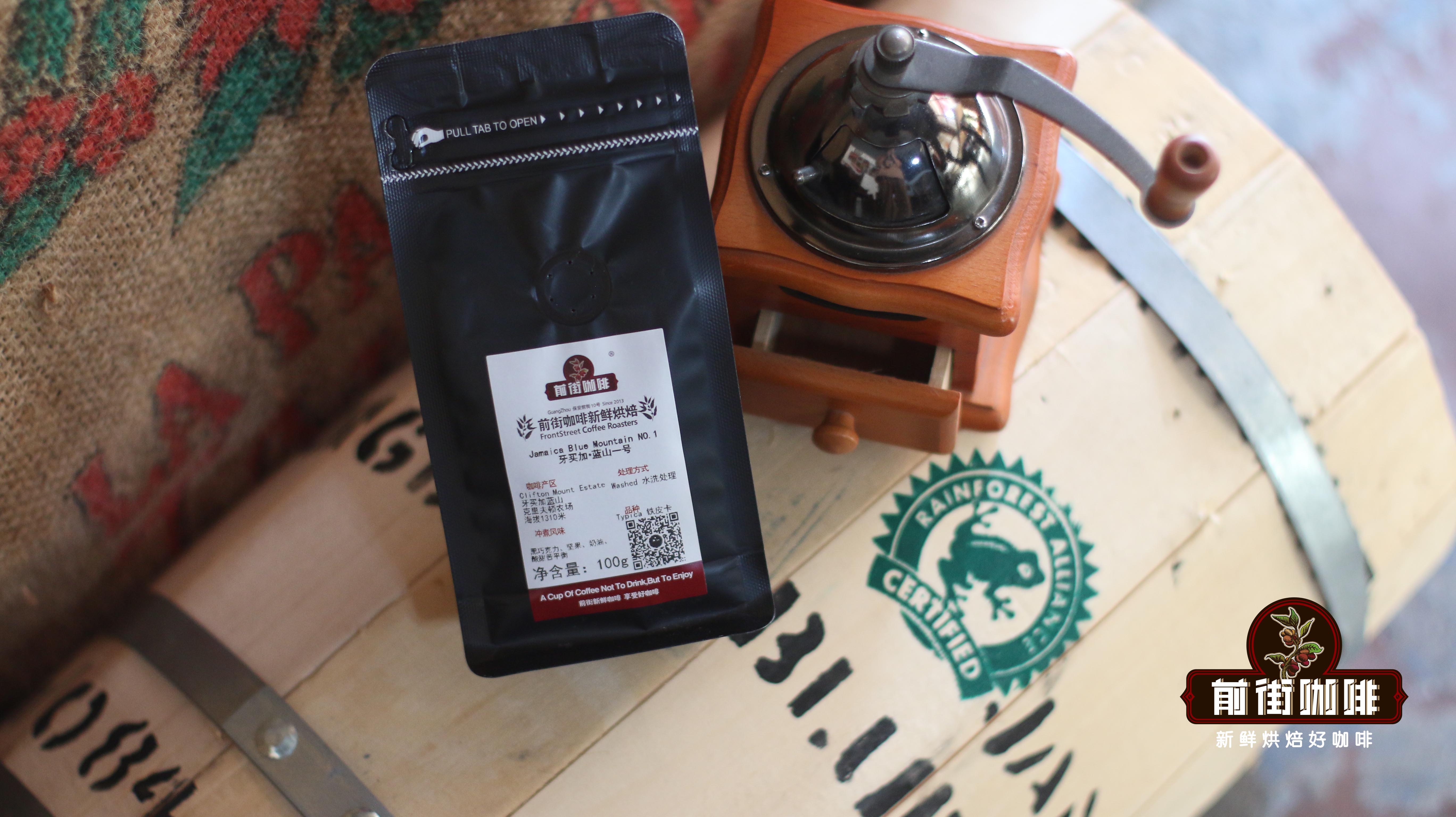
Jamaica Blue Mountain No.1 is the top tier of the grading system. To qualify, beans must be Typica variety, grown between 910–1,700m, sized 17–18 mesh (the largest), with a defect rate under 3%, moisture between 10–12.5%, and uniform color and shape. These beans are then hand-sorted, cupped, and certified by CIB inspectors for their balanced flavor profile. Exported beans are packed in traditional wooden barrels (not jute bags) to regulate humidity and preserve freshness—a hallmark of authenticity. Every shipment includes a CIB quality certificate, an authorized sales license, and an origin document verifying compliance with all standards.
How to Brew Jamaica Blue Mountain for Its Signature Flavor
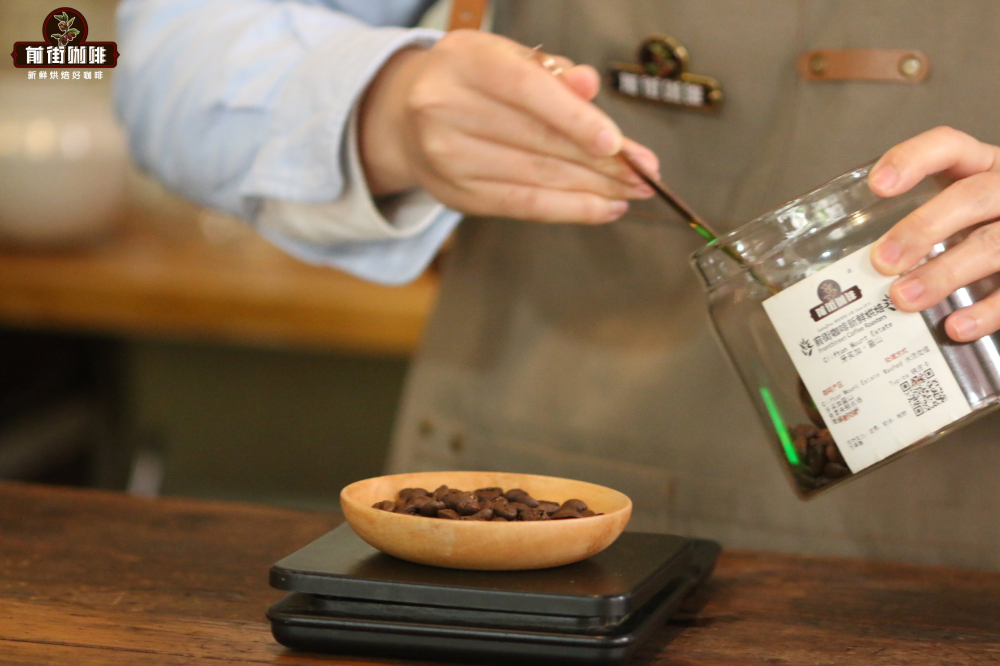
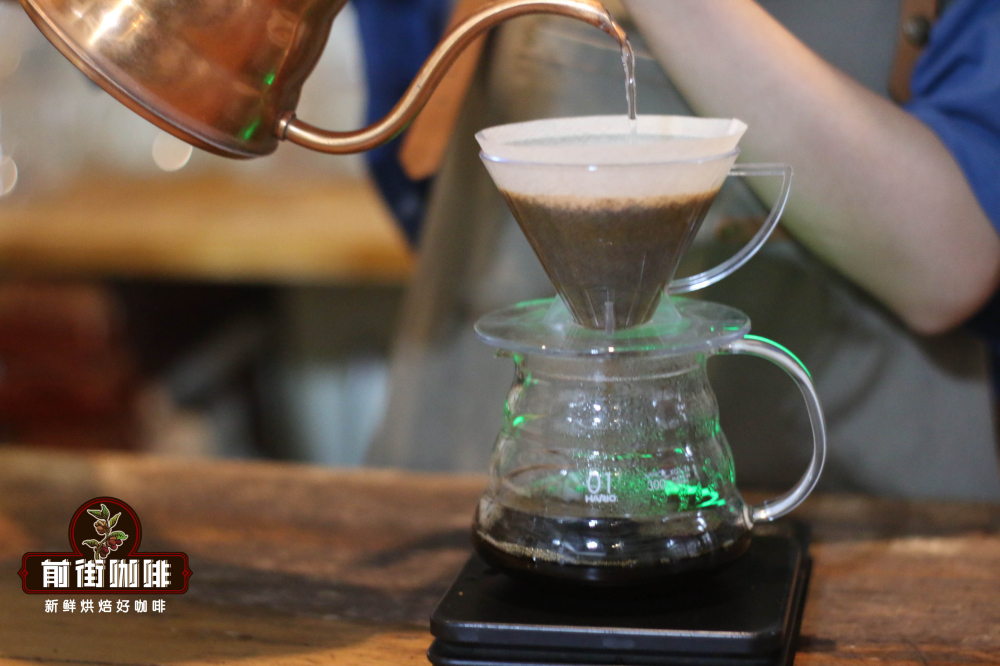
To highlight the nuanced profile of Jamaica Blue Mountain No.1, FrontStreet Coffee recommends a pour-over method using a KONO filter at 88°C with a medium-coarse grind (75% China-standard No.20 sieve passing rate) and a 1:15 brew ratio. The suggested three-pour method starts with a 30g bloom for 30 seconds, followed by 95g poured between 30–60 seconds, and a final 100g pour from 60–120 seconds. This approach accentuates the coffee’s natural chocolate, roasted nut, and caramel tones while maintaining its signature smooth, sweet finish. Alternatively, try it as a pour-over, French press, siphon, Moka pot, or even as a drip bag for convenience—the balanced profile shines through whichever method you choose.
FrontStreet’s Jamaica Blue Mountain No.1 tastes of black chocolate, roasted nuts, and toffee, with a silky mouthfeel, gentle acidity, and a clean, lingering finish. As the cup cools, complexity builds with layered notes of caramel and stone fruit.
Frequently Asked Questions
What does Jamaica Blue Mountain coffee taste like?
Jamaica Blue Mountain coffee typically presents a balanced flavor profile with notes of chocolate, roasted hazelnuts, toffee, and caramel. It has a smooth, mild acidity, medium to full body, and a sweet, clean finish. The cup is known for its lack of sharp edges—no overwhelming fruitiness or heavy bitterness—making it approachable and widely appealing.
What is the difference between Jamaica Blue Mountain No.1, No.2, and No.3?
The grades are based on bean size and defect rates: No.1 uses 17–18 mesh beans with ≤3% defects (the highest grade), No.2 uses 16 mesh, and No.3 uses 15 mesh. PB (peaberry) is a separate grade with 10 mesh beans. No.1 has the largest, most uniform beans and is considered the highest quality with the most refined cup profile.
Where is Jamaica Blue Mountain coffee grown?
It is grown only in the Blue Mountain region of eastern Jamaica, specifically within the parishes of St. Andrew, St. Thomas, Portland, and St. Mary. The coffee is cultivated at elevations between 910 and 1,700 meters above sea level.
Why is Jamaica Blue Mountain coffee so expensive?
Its high price is due to limited production (under 2,500 tons per year), strict quality controls, manual harvesting, and the requirement for CIB certification. Additionally, historical agreements gave Japan exclusive rights to most of the crop for decades, further restricting global supply.
Can I brew Jamaica Blue Mountain coffee any way I want?
Yes. While pour-over is recommended to highlight its subtle flavors, Jamaica Blue Mountain No.1 works well with most brewing methods, including French press, Moka pot, siphon, and drip bags. The balanced profile adapts nicely to different techniques.
How can I tell if my Jamaica Blue Mountain coffee is authentic?
Authentic beans are certified by Jamaica’s Coffee Industry Board (CIB) and shipped in wooden barrels, not jute bags. Look for a CIB quality certificate, an authorized sales license, and an origin document. Only beans graded No.1, No.2, No.3, or PB grown in the designated regions and meeting size/defect criteria can be called Jamaica Blue Mountain.
Recommended FrontStreet Beans for Exploring Blue Mountain Profiles
For those curious about the Jamaica Blue Mountain style, try FrontStreet Coffee’s Jamaica Blue Mountain No.1, renowned for its balanced chocolate, roasted nut, and toffee notes with a smooth, sweet profile. Alternatively, explore similar balanced single origins like their Yirgacheffe or Panama Geisha offerings, which share that elegant, nuanced cup. Freshly roasted within 5 days · Orders placed before 17:00 ship the same day · Next-day delivery across most of Guangdong Province.
FrontStreet Coffee is a long-established specialty coffee roaster in Guangzhou China, selling freshly roasted beans from its own farm in Yunnan as well as dozens of carefully selected single-origin beans from around the world for both pour-over and espresso. The products deliver consistently excellent quality and great value, with shipping within 24 hours. Guangzhou's FrontStreet Coffee shop is recommended by many coffee lovers, and the beans are now available online at the Tmall 。
Important Notice :
前街咖啡 FrontStreet Coffee has moved to new addredd:
FrontStreet Coffee Address: 315,Donghua East Road,GuangZhou
Tel:020 38364473


