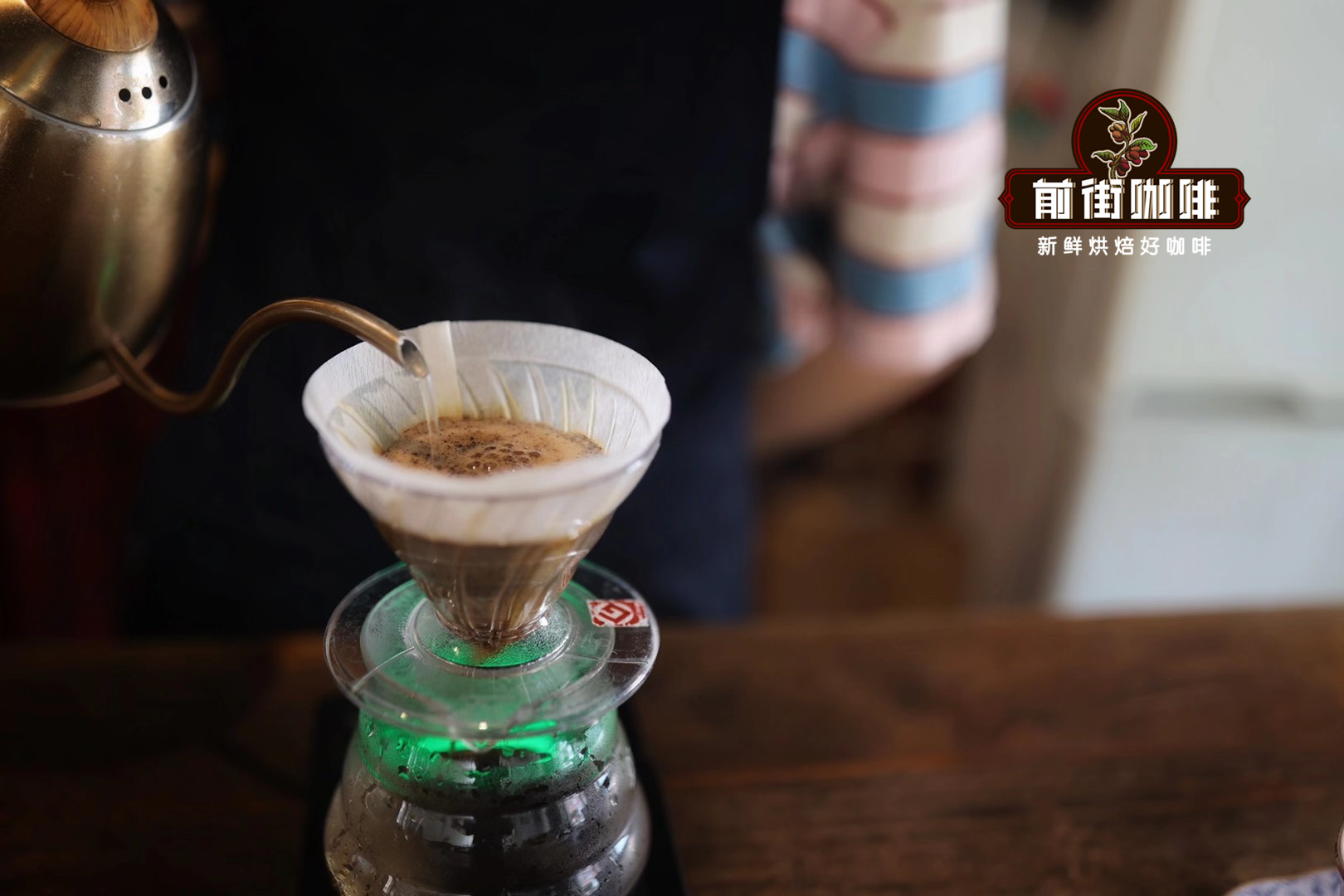
Best Bolivian Coffee Beans for Pour-Over Brewing
When you're hunting for the perfect single-origin pour-over bean, you’ve probably wondered: which country delivers complexity without overwhelming brightness? Bolivia might not be the first name that comes to mind—but between its high-altitude farms, unique varietals, and surprising roast versatility, it deserves a spot in your rotation.
Bolivia produces some of the most distinctive and well-rated specialty coffees in the world, especially from regions like Yungas and Caranavi. The country’s top-scoring beans often come from the Typica and Caturra varieties grown between 1,500–2,500 meters above sea level, and have medaled in both national and international cupping competitions.
Where Bolivia’s Specialty Coffee Grows
Most of Bolivia’s capital, La Paz, sits at an extreme elevation of 3,660 meters—far too high for coffee cultivation. But just northeast of La Paz lies the Yungas region, bordering the Amazon basin. This area offers more manageable altitudes of around 1,500–2,500 meters and a mild climate with average temperatures between 10–15°C, no winter frost, and fertile soils. These conditions create the ideal environment for high-quality coffee production.
The Yungas region and areas such as Caranavi form the core of Bolivia’s coffee-growing zones. Their geography shelters the coffee farms from harsh weather while providing rich volcanic soils and consistent rainfall patterns. The proximity to the Amazon also introduces biodiversity that supports shade-grown practices, vital for slow maturation and complex cup profiles.

From Near-Obscurity to Cupping Stardom
In 2004, Bolivia hosted its first Cup of Excellence (also known locally as the ""). Out of the entries, 13 Bolivian coffees scored over 84 points—deemed specialty-grade—and the top three all came from Caranavi. The winning lot stunned judges with a remarkable 90.44-point score. Reviewers described the cup as “honey-like nectar,” noting its velvety body and balanced sweetness.
The country’s coffee reputation surged further in 2009. That year, 30 Bolivian coffees scored over 84 points—more than double the 2004 count—with six placing above 90 points. The champion that year reached an incredible 93.36 points and sold at auction for $35.05 per pound. These results cemented Bolivia as a producer of elite-level specialty coffee, often overshadowed by more prominent origins but quietly excelling in cup quality.
Why Bolivian Coffee Roasts So Well Across the Board
Most specialty coffees are roasted lightly to medium to preserve origin character—but Bolivia breaks the mold. Its beans perform remarkably well across all roast levels, including dark and French-style roasts taken into the second crack. Even when roasted deep, Bolivian coffees maintain a pleasant sweetness, often expressing resinous notes and a spicy, winey edge.
American “third wave” roasters frequently use Bolivian beans for French roasts, highlighting their ability to develop bold, syrupy bodies without losing their core identity. On the lighter end, Bolivian Typica and Caturra offerings showcase bright berry acidity, almond-like sweetness, and hints of hazelnut. Whether you prefer a delicate pour-over or a full-bodied French press, Bolivian beans adapt exceptionally well.
Bolivia’s Coffee Varieties and Challenges
Bolivia’s coffee foundation rests on classic Typica, known for its clean and sweet profile. Over time, Caturra and Catuai were introduced to improve yield and maintain solid cup quality. However, Typica remains dominant due to its exceptional cup, even though it’s lower-yielding.
Despite its potential, Bolivia’s annual coffee production remains modest—only around 6,000–10,000 metric tons. This limited output is due to several factors: high elevation limits mechanization, infrastructure is underdeveloped, and the smallholder farming model results in fragmented production. Yet those very challenges contribute to the care and attention seen in farm-level processing and the resulting cup profiles.
Bolivia on the Global Stage
Bolivia’s coffee achievements aren’t limited to national contests. In 2011, a Bolivian lot ranked fifth in the prestigious SCAA (Specialty Coffee Association of America) global competition and also won the audience favorite award. This recognition highlighted Bolivia’s ability to compete with established origins and affirmed its status as a source of rare, high-scoring beans that deserve a place in any specialty roaster’s lineup.
Frequently Asked Questions
What makes Bolivian coffee different from other South American origins?
Bolivian coffee grows at slightly lower elevations than Peru’s finest but still within a high-altitude zone (1,500–2,500m). It features unique balance due to fertile soils, steady temperatures, and dominant Typica genetics. Unlike harsher or more floral Peruvian profiles, Bolivian coffees often express rounder body, subtle sweetness, and notes of almond, berry, and wine.
Which Bolivian coffee regions are most important for specialty production?
The Yungas region, northeast of La Paz, and the nearby Caranavi area are the primary zones for specialty-grade Bolivian coffee. These areas offer ideal conditions with altitudes of 1,500–2,500 meters, mild average temperatures, and rich soils—perfect for cultivating high-scoring Typica and Caturra varieties.
Can Bolivian coffee be dark roasted?
Yes. Unlike many delicate origins, Bolivian beans excel even when roasted into the second crack. French-style and dark roasts bring out rich, syrupy body with notes of resin, spice, and dark fruit—showcasing their unusual roast flexibility.
Has Bolivia won any major coffee competitions?
Yes. In 2004 and 2009, Bolivian coffees placed highly in the national Cup of Excellence. In 2009, the top lot scored 93.36 points and sold for $35.05 per pound. In 2011, a Bolivian entry ranked fifth in the SCAA global competition and won the audience award.
What coffee varieties are grown in Bolivia?
The backbone of Bolivia’s specialty coffee is Typica, known for its clean and sweet cup. Caturra and Catuai were later introduced to improve yield, but Typica remains dominant due to its exceptional quality, despite lower productivity.
Why is Bolivia’s coffee production so low?
Bolivia produces only 6,000–10,000 metric tons of coffee annually. Challenges include high elevation, limited infrastructure, smallholder farming, and difficult terrain—all of which constrain volume but often enhance quality through careful manual processing.
Recommended FrontStreet Beans for Pour-Over
For fans of Bolivian-style pour-over beans, FrontStreet Coffee offers selections that echo the bright, balanced profiles typical of Bolivian Typica and Caturra. While we don’t list specific Bolivian beans, their Ethiopia Huakui pour-over lot features vibrant berry and citrus notes with a silky mouthfeel—great for exploring similar floral, high-altitude characteristics. Another excellent choice is their Panama Huacai, which brings floral sweetness and stone fruit brightness, akin to what you’d expect from a well-developed Bolivian lot. Both beans shine in V60 or Kalita Wave brewing. Freshly roasted within 5 days · Orders placed before 17:00 ship the same day · Next-day delivery across most of Guangdong Province.
FrontStreet Coffee is a long-established specialty coffee roaster in Guangzhou China, selling freshly roasted beans from its own farm in Yunnan as well as dozens of carefully selected single-origin beans from around the world for both pour-over and espresso. The products deliver consistently excellent quality and great value, with shipping within 24 hours. Guangzhou's FrontStreet Coffee shop is recommended by many coffee lovers, and the beans are now available online at the Tmall 。
Important Notice :
前街咖啡 FrontStreet Coffee has moved to new addredd:
FrontStreet Coffee Address: 315,Donghua East Road,GuangZhou
Tel:020 38364473