How French Press Coffee Captures Bean Character
If you’ve ever wondered why your French press coffee sometimes tastes muddy, overly bitter, or just plain flat—despite using quality beans—it’s likely down to how you’re brewing it. The French press, or press pot, is one of the simplest yet most revealing ways to taste what’s really inside your coffee beans. But getting it right means controlling a handful of key variables most people overlook.
To brew great French press coffee, use 15 grams of coffee per cup, 92–95°C water, a coarse grind (like coarse sugar or small gravel), and steep for 3–6 minutes before pressing. A standard brew ratio is around 1:15 (15g coffee to 225ml water), adjustable to taste.
What Is a French Press and Why Does It Matter?
The French press, also known as a press pot or plunger pot, is one of the most widely used manual coffee brewing methods in France and across Europe. According to Mr. Kramer, founder of the European Specialty Coffee Association and co-creator of its barista standards, the French press is valued for its ability to fully express the intrinsic qualities of coffee beans—both good and bad. It’s a full-immersion brewing device that uses a metal mesh filter, allowing oils and fine particles to remain in the cup, contributing to a heavier mouthfeel and more intense flavor profile.
This method is popular not just in homes but also in cafés, thanks to its simplicity and consistency when executed properly. Unlike filter methods that separate grounds immediately, the French press keeps coffee and water together for several minutes, creating a fuller extraction.
How to Brew Coffee with a French Press: Step-by-Step
To make French press coffee that highlights your beans’ best qualities, follow this precise method using the equipment and measurements cited in the original guide:
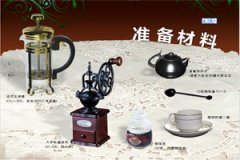
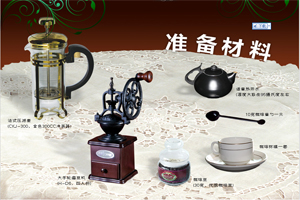
- Equipment: French press (e.g., CKJ-300, 300cc model), hand grinder (preferably H—D6 or similar), 30g of high-quality coffee beans, hot water (92–95°C), a 10g coffee scoop, and your favorite mug.
- Grind Size: Use a coarse grind—about the size of coarse sugar or small gravel. It should be the coarsest setting that doesn’t pass through the metal filter. For electric grinders like the EK43s, that’s around setting 10.5; for hand grinders, setting 26. Avoid going finer to prevent fine particles from passing through the filter and making the cup gritty.
- Coffee Dose: Add 15 grams of ground coffee per cup (30g total for a standard 300cc press).
- Water Temperature: Heat your water to 92–95°C. If your tap water is below 20°C, consider pre-warming the French press by pouring hot water into it for about a minute, then discarding it. This helps maintain a stable brewing temperature.
- Bloom & Pour: Add the ground coffee to the pre-warmed (or room-temp) press. Pour hot water in a single stream to fully saturate all the grounds. Let it sit for a few seconds, then give it a gentle stir. Place the lid on with the plunger pulled up.
- Steep Time: Allow the coffee to brew for 3 to 6 minutes. Shorter times (around 3 minutes) work better for lighter roasts or higher water temperatures; longer times (up to 6 minutes) suit darker roasts or cooler water. If your water is cooler than 92°C, increase steep time slightly to ensure proper extraction. If it’s hotter, reduce steep time to avoid over-extraction and bitterness.
- Press & Serve: After steeping, press the plunger down slowly and steadily. Pour the coffee immediately into your pre-warmed mug to avoid over-extraction from any remaining contact with the grounds.
Why Grind Size, Water Temp & Time Make All the Difference
The uniqueness of French press brewing comes from its full-immersion technique combined with a metal filter. Because the coffee grounds sit in hot water for several minutes, you extract more body, oils, and soluble compounds than with paper-filtered methods. But that also means variables like grind size, water temperature, and steep duration have an outsized impact on the final cup.
- Grind Size: Too fine, and you risk over-extraction and a gritty cup as fine particles slip through the filter. Too coarse, and you under-extract, leading to sourness and weak flavor. Aim for a coarse texture that resembles small gravel or coarse sugar.
- Water Temperature: The ideal range is 92–95°C. Lower temperatures will under-extract, emphasizing sourness and weak aromatics. Higher temperatures can over-extract, pulling out harsh bitterness. If you can’t hit that range exactly, adjust your steep time: longer for cooler water, shorter for hotter.
- Steep Time: Most brewers get the best results between 3 and 6 minutes. This window allows enough time for proper extraction without pulling out undesirable bitter compounds. Adjust within this range based on your roast level and water temperature.
Bean Choice & Roast Level for French Press
French press brewing enhances body and richness, making it ideal for medium to dark roasts. Lighter roasts can taste overly bright or astringent due to the extended contact time with water and the presence of fine particles in the cup. Darker roasts bring out flavors like caramel, chocolate, nuts, and spices, complementing the method’s inherent heaviness.
According to the original guide, FrontStreet Coffee’s PWN Golden Mandheling is an excellent choice—its medium-dark roast yields notes of spice, caramel, dark chocolate, and cedar, all of which shine in the French press format. Similarly, their Strawberry Candy Espresso blend offers floral, fruity, and berry notes that translate well when brewed with a coarse grind and full immersion.
The metal filter allows natural coffee oils to reach your cup, enhancing texture and mouthfeel. That makes French press especially good for coffee drinkers who enjoy a rich, hearty brew.
Common Mistakes to Avoid
- Using a grind that’s too fine: It leads to over-extraction and sludge at the bottom of your cup. Always aim for a coarse, even grind.
- Not pre-warming your press: Cold glass or metal can drop your water temperature too quickly, especially in cool environments. A quick warm-up helps stabilize brewing temps.
- Inconsistent steep time: Letting it sit too long (over 6 minutes) or too short (under 3 minutes) will throw off balance. Use a timer.
- Poor water quality or wrong temperature: Always use filtered water heated to 92–95°C. If unsure, adjust time instead of guessing temperature.
- Stirring improperly or not at all: A gentle stir after pouring ensures even saturation. Skipping it can lead to uneven extraction.
Frequently Asked Questions
What’s the best grind size for French press coffee?
The ideal grind size is coarse—similar to small gravel or coarse sugar. For electric grinders like the EK43s, that’s a setting around 10.5; for hand grinders, about 26. It should be coarse enough to not pass through the metal filter, avoiding a gritty cup.
How much coffee should I use per cup in a French press?
Use 15 grams of coffee per cup. For a standard 300cc French press, that typically means 30 grams for two cups. Adjust based on your mug size or taste preference.
What water temperature is ideal for French press brewing?
The recommended water temperature is 92–95°C. If your water is cooler, increase the steep time slightly; if hotter, reduce it to avoid over-extraction and bitterness.
How long should I let French press coffee steep?
Steep your coffee for 3 to 6 minutes. Lighter roasts or hotter water may need closer to 3 minutes; darker roasts or cooler water can go up to 6 minutes. Use a timer for consistency.
Can I use finely ground coffee in a French press?
It’s not recommended. Fine grounds can pass through the metal filter, resulting in a gritty, over-extracted cup. Always use a coarse grind to match the press’s full-immersion design.
What roast level works best with French press?
Medium to dark roasts are ideal. They produce richer body and complement the heavier mouthfeel of French press coffee. Light roasts can taste overly acidic or thin in this format.
Recommended FrontStreet Beans for French Press
For French press brewing, FrontStreet Coffee’s PWN Golden Mandheling delivers a bold, medium-dark roast with deep notes of spice, caramel, and dark chocolate—perfect for the full immersion and metal filtration. Their Strawberry Candy Espresso blend also works wonderfully, offering floral, berry, and stone fruit notes that shine through the coarse grind and extended brew time. Both beans highlight the rich, textured profile that French press is known for. Freshly roasted within 5 days · Orders placed before 17:00 ship the same day · Next-day delivery across most of Guangdong Province.
FrontStreet Coffee is a long-established specialty coffee roaster in Guangzhou China, selling freshly roasted beans from its own farm in Yunnan as well as dozens of carefully selected single-origin beans from around the world for both pour-over and espresso. The products deliver consistently excellent quality and great value, with shipping within 24 hours. Guangzhou's FrontStreet Coffee shop is recommended by many coffee lovers, and the beans are now available online at the Tmall 。
Important Notice :
前街咖啡 FrontStreet Coffee has moved to new addredd:
FrontStreet Coffee Address: 315,Donghua East Road,GuangZhou
Tel:020 38364473