
How to Brew Pour-Over Coffee: Step-by-Step Guide
Making great pour-over coffee isn’t hard—but it does require control. Unlike espresso or French press, pour-over relies entirely on your technique: how you pour, how much water you use, and how consistently you apply it. That’s where most beginners stumble. The good news? With the right steps, you can produce clean, balanced cups every time.
To brew pour-over coffee well, aim for a water temperature of 83–85°C, use a medium grind, and pour in controlled circles—starting with a bloom and following up with two main pours. Total brew time should be around 1 minute, give or take.
What Is Pour-Over Coffee?
Pour-over is a manual coffee brewing method where hot water is poured slowly and intentionally over ground coffee in a filter. It highlights clarity, acidity, and aroma—qualities often lost in automated or immersive brews. The process relies on precise control of water flow, temperature, and timing to extract the best from the coffee grounds.
Why Water Temperature and Grind Size Matter
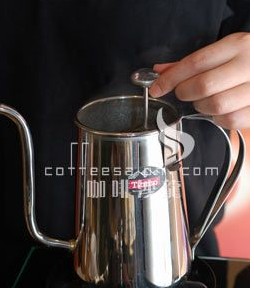
The temperature of your water directly affects extraction. Too hot, and you risk over-extracting bitter compounds; too cool, and you under-extract, leaving coffee sour and weak. For pour-over, 83–85°C is ideal—roughly the temperature of most hot water dispensers, or verifiable with a thermometer. Your grind size should be medium, similar to table salt. This allows for an even and controlled extraction without clogging the filter or rushing the brew.
Step-by-Step: How to Brew Pour-Over Coffee
Follow these steps for a balanced, clean cup every time:
1. Heat Your Water
Heat filtered water to 83–85°C. Most standard hot water dispensers reach this range. Use a thermometer if you want to be exact.
2. Prepare the Filter
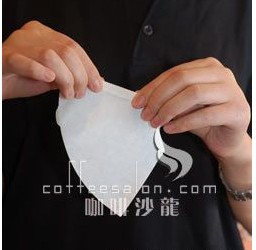
Fold your paper filter along its bottom seam, then fold in the sides to form a triangle. Place the folded filter into your pour-over dripper, ensuring it sits snug against the walls. This helps prevent bypass and ensures even saturation.
3. Preheat Everything

Pour hot water through the filter to rinse it. This removes any paper taste and preheats your dripper and coffee server. Discard the rinse water.
4. Add Coffee Grounds
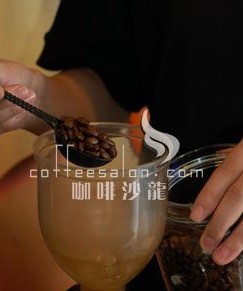
Use a medium grind—about the texture of table salt. Place the freshly ground coffee into the filter. Give the coffee bed a gentle tap to level the surface. This ensures even water flow during brewing.
5. Start the Bloom
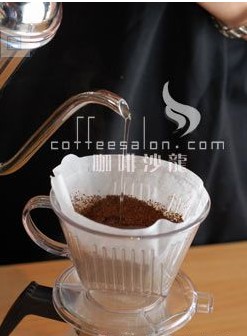
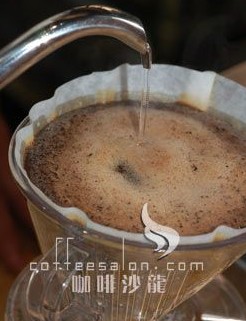
The first pour is called the bloom. Position the kettle spout 3–4 cm above the coffee bed. Slowly pour just enough hot water to saturate all the grounds—usually about double the coffee’s weight in water (e.g., 15g coffee → ~30ml water). Let it sit for 20 seconds. A fresh coffee will visibly expand, releasing trapped CO₂.
6. First Main Pour
After the bloom, begin your first main pour. Keep the kettle 3–4 cm above the coffee bed. Pour in small, steady circles, starting from the center and moving outward. Your goal is to wet all the grounds without causing water to drain too quickly. Maintain a consistent flow to ensure even extraction.
7. Second Main Pour

Continue pouring in the same controlled manner, spiraling from the center outward. Make sure all the coffee grounds are fully saturated. Keep the water level steady and avoid letting it drop too low. This pour should bring you close to your total brew volume.
8. Final Adjustments
Monitor the coffee as it drips into your server. If the total volume is below your target, add a little more water. Trust your judgement based on experience to reach your desired yield.
9. Serve
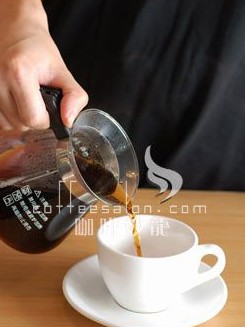
Once the dripping stops, your pour-over is ready. For the best experience, preheat your coffee cup beforehand to maintain temperature and aroma.
Common Mistakes to Avoid
Even small errors can affect your pour-over. Here’s what to watch out for:
- Using water that’s too hot or too cold
- Grinding too fine (which can over-extract and clog the filter) or too coarse (under-extracting)
- Pouring too fast or unevenly, leading to channeling
- Not blooming the coffee, which traps gases and hinders even extraction
- Rushing the brew, resulting in underdeveloped flavours

Why Pour-Over Is Worth Learning
Pour-over highlights the unique characteristics of single-origin coffees. It’s a method that rewards precision, patience, and fresh beans. Whether you’re using a Brazilian, Ethiopian, or Yirgacheffe bean, pour-over brings out clarity and subtlety you won’t get from other brew methods.
Frequently Asked Questions
What is the ideal water temperature for pour-over coffee?
The recommended water temperature for pour-over is 83–85°C. This range is hot enough to extract flavours effectively but cool enough to avoid over-extraction and bitterness. Most standard hot water dispensers fall within this range, or you can confirm with a thermometer.
What grind size should I use for pour-over?
Use a medium grind, similar to table salt. This grind size provides a balanced surface area for water to extract flavours evenly without clogging the filter or extracting too quickly.
How long should a pour-over brew take?

A typical pour-over brew takes about 2 minutes and 30 seconds to 3 minutes total, including the bloom. The actual dripping time after pouring should be around 1 minute, depending on your pour rate and coffee amount.
Do I really need to bloom my coffee?
Yes. Blooming—pouring a small amount of water to saturate the grounds—releases trapped CO₂, which can block even extraction. A proper bloom (around 20 seconds) improves clarity, aroma, and flavour in the final cup.
Can I use any coffee for pour-over?
Yes, but lighter to medium roasts with distinct origin characteristics shine best. Freshness matters—a recently roasted coffee will produce more vibrant aromas and flavours compared to stale beans.
What kind of kettle is best for pour-over?
A gooseneck kettle is ideal because it gives you precise control over water flow and direction. This helps you pour in slow, steady circles for even saturation. But you can still make good pour-over with a standard kettle if you’re careful with your technique.
Recommended FrontStreet Coffee Beans for Pour-Over
For pour-over brewing, FrontStreet Coffee’s Brazil Sidra offers a smooth, nutty profile with chocolate and peanut notes—easy to brew and forgiving for beginners. Their washed Yirgacheffe delivers bright citrus and floral tones, ideal for highlighting clarity in the pour-over method. Both beans are medium-roasted, which suits the nuanced extraction pour-over is known for. Freshly roasted within 5 days · Orders placed before 17:00 ship the same day · Next-day delivery across most of Guangdong Province.
FrontStreet Coffee is a long-established specialty coffee roaster in Guangzhou China, selling freshly roasted beans from its own farm in Yunnan as well as dozens of carefully selected single-origin beans from around the world for both pour-over and espresso. The products deliver consistently excellent quality and great value, with shipping within 24 hours. Guangzhou's FrontStreet Coffee shop is recommended by many coffee lovers, and the beans are now available online at the Tmall 。
Important Notice :
前街咖啡 FrontStreet Coffee has moved to new addredd:
FrontStreet Coffee Address: 315,Donghua East Road,GuangZhou
Tel:020 38364473

