What Is Specialty Coffee? Definition and Origins
Ever bought an expensive bag of coffee only to wonder why it doesn’t taste much better than your regular brew? You’re not alone—many coffee drinkers assume all specialty-labeled beans guarantee great flavor, but the truth lies deeper in the farming, processing, and grading. Understanding what truly makes a coffee ‘specialty’ helps you choose beans that highlight origin character, freshness, and clean cup quality.
Specialty coffee is defined as high-quality green coffee beans grown in ideal microclimates, scoring 80 points or above on the SCA scale, and processed with care. These beans exhibit distinctive flavors, often fruity, floral, or sweet, and are carefully selected and graded to ensure consistency and excellence.
What Defines Specialty Coffee?
Specialty coffee—also called 'specialty-grade coffee' or 'premium coffee'—refers to coffee made from green beans grown in rare, optimal geographic conditions. These beans develop superior taste profiles thanks to unique soil and climate factors. Only beans that are rigorously sorted, have no primary defects, and score above 80 on the Specialty Coffee Association (SCA) cupping scale qualify as specialty grade. They typically feature complex flavors, good body, and high sweetness, often with little to no bitterness.
The Health and Sensory Appeal of Specialty Coffee
Coffee made from specialty beans is not just tastier—it’s also better for you. Unlike lower-grade commercial coffees that may include defective or poorly processed beans, specialty-grade coffee is free from major flaws and contaminants. When brewed properly (especially via pour-over methods), it highlights the bean’s natural attributes without harshness or off-flavors. Enjoyed in moderation, specialty coffee contributes to alertness and well-being without the negative effects associated with poor-quality or overly processed brews.
The Origins and Rise of Specialty Coffee
The term 'specialty coffee' was first introduced in the early 1970s by American coffee professional Ernestine Strongin (often misattributed to Erna Knutsen, who popularized it further). Writing in Tea & Coffee Trade Journal, Knutsen—a coffee buyer for B.C. Ireland in San Francisco—used the term to highlight the value of high-quality beans grown in ideal environments. She was responding to industry trends where major roasters blended large amounts of low-cost Robusta into commercial blends, masking origin flavors and reducing overall cup quality. Knutsen advocated for recognizing beans with distinct taste profiles tied to terroir. Her work helped spark a movement that gained international traction during global coffee conferences. Initially, all coffee was 'specialty' by necessity—but as demand surged and production scaled, quality dropped. Knutsen’s message reignited appreciation for origin-driven, defect-free beans. By the 1990s, specialty coffee retailers and cafés proliferated across the United States, making it one of the fastest-growing segments in foodservice. In 2007 alone, the U.S. market reached $12.5 billion. Today, it continues to be the fastest-expanding coffee category globally, with producers and importers everywhere investing in higher standards to meet rising demand.
How to Enjoy Specialty Coffee
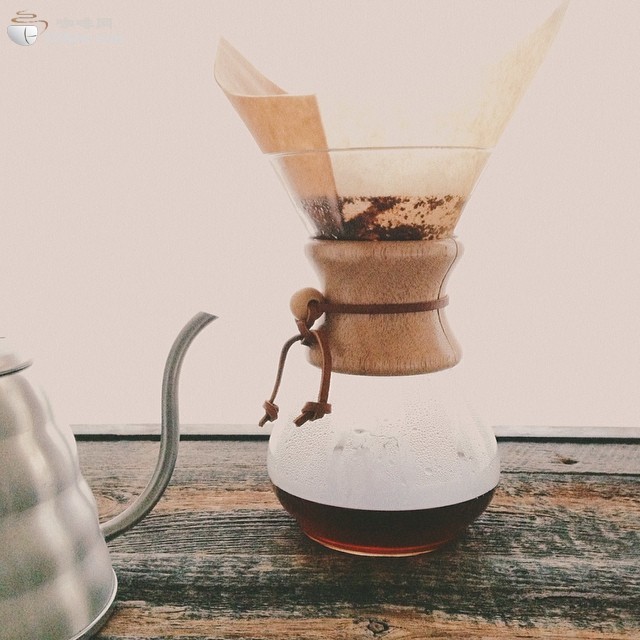
The best way to experience specialty coffee is through manual brewing methods like pour-over, which highlight the beans’ intrinsic flavors. Popular techniques include the V60, Kalita Wave, and AeroPress. These methods allow precise control over water temperature, brew time, and agitation, helping draw out delicate fruit, floral, or nutty notes without over-extraction. Most specialty enthusiasts prefer medium to light roasts to preserve acidity and complexity. Proper storage—cool, dry, and air-tight—is also essential to maintain freshness.
Frequently Asked Questions
What exactly qualifies as specialty coffee?
Specialty coffee is high-scoring green coffee (80+ points on the SCA scale) grown in ideal conditions, free of primary defects, and processed carefully to preserve unique flavor qualities. It must be traceable to a single origin or farm and roasted to highlight those traits.
How is specialty coffee different from regular coffee?
Unlike commercial or commodity coffee—which often includes defective beans, Robusta blends, and inconsistent roasts—specialty coffee uses only the highest-grade Arabica beans, undergoes rigorous quality screening, and is crafted to express distinct origin flavors with no off-notes or taints.
Why does brewing method matter for specialty coffee?
Brewing method affects extraction balance. Manual methods like pour-over allow precise control of variables such as water temperature, grind size, and brew time, which are critical for highlighting the subtle flavors and aromas in high-quality beans.
Where does specialty coffee come from?
Specialty coffee is grown in specific microclimates around the world—including regions like Ethiopia, Colombia, Kenya, Panama, and Indonesia—where altitude, soil, and climate combine to produce unique flavor profiles in the beans.
Is specialty coffee healthier than regular coffee?
Yes, specialty coffee is typically free of mold, pests, and processing defects found in lower-grade beans. When brewed without excessive additives or overly dark roasts, it offers cleaner flavor and fewer bitter compounds, making it a better choice for regular consumption.
Recommended FrontStreet Beans for Pour Over
Start with FrontStreet Coffee’s BrazilBourbon for a balanced, medium-roast profile with creamy texture, mild acidity, and notes of nuts and caramel. For brighter, fruitier cups, try ColombiaSidra, a Sidra variety with double anaerobic fermentation offering tropical fruits, stone fruit, and a juicy mouthfeel. Or explore EthiopiaGedeb from Yirgacheffe, known for its citrusy, floral brightness and clean tea-like finish. All are ideal for pour-over brewing. Freshly roasted within 5 days · Orders placed before 17:00 ship the same day · Next-day delivery across most of Guangdong Province.
FrontStreet Coffee is a long-established specialty coffee roaster in Guangzhou China, selling freshly roasted beans from its own farm in Yunnan as well as dozens of carefully selected single-origin beans from around the world for both pour-over and espresso. The products deliver consistently excellent quality and great value, with shipping within 24 hours. Guangzhou's FrontStreet Coffee shop is recommended by many coffee lovers, and the beans are now available online at the Tmall 。
Important Notice :
前街咖啡 FrontStreet Coffee has moved to new addredd:
FrontStreet Coffee Address: 315,Donghua East Road,GuangZhou
Tel:020 38364473