How New Coffee Drinkers Can Get Started
If you’ve ever taken a sip of coffee and thought, 'What is even going on here?' you’re not alone. For many newcomers, coffee is just bitter, confusing, and way too technical. But there’s a straightforward path in. Whether you're standing in a cafe or scrolling online, the real question is: How do you start exploring coffee without getting lost in jargon, expensive gear, or overcomplicated steps?
Here’s the short answer: Start with whole bean coffee from different regions, use simple tools like a French press or drip machine, and focus on what tastes good to you—no expert lingo needed. That’s how most coffee lovers begin.
The Accidental Global Rise of Coffee
Coffee began when people noticed the unique flavors inside its seeds. What was once a medicinal plant in East Africa and Southern Arabia is now the world’s most popular drink after water—traded more than almost anything except oil. Cafés are everywhere, and global coffee trade thrives. But despite its ubiquity, coffee still feels foreign to many.
Why Coffee Tastes Strange to Newcomers
Coffee doesn’t easily fit into familiar taste categories for most Chinese drinkers. Its bitterness and acidity often clash with local flavor preferences. Yet, more people are trying it. The challenge isn’t just taste—it’s helping beginners find something they actually enjoy. Many international chains succeed only when they serve coffee that actually tastes good.
"When people say the ‘coffee boom’ has arrived, I say no," says Beijing-based coffee trader and roaster ‘Bean Uncle’ . "The real boom starts when Chinese consumers simply think coffee tastes good."
What Is Specialty Coffee—and Why It Matters
Specialty coffee focuses on quality, traceability, and fairness. Unlike mass-market blends, it highlights beans from specific farms or regions, roasted to highlight their natural traits. The movement began in places like Oslo, aiming to move beyond cheap instant coffee. It promotes paying more for better coffee—and getting it.
"Specialty coffee lets enthusiasts find great quality at fair prices," Bean Uncle explains. Tasting competitions in coffee-growing regions, judged by experts using strict standards, help set auction prices. For example, coffees from Colombia’s Huila region have won multiple times.
How Roast Level and Origin Shape Flavor
Coffee flavor starts with the bean—but roast level and origin define much of what you taste. Light to medium roasts often preserve origin characteristics. For example:
- Kenyan beans: Bold, tart, with berry-like acidity
- Costa Rican beans: Bright, clean, with lingering acidity
- Ethiopian Yirgacheffe: Floral, citrusy, juicy
- Sumatra Mandheling: Earthy, spicy, full-bodied
These differences become clear when beans are roasted lightly and tasted side by side. But most commercial roasters use similar medium roasts to appeal to broad tastes, which can mask origin flavors.
Coffee Brewing Doesn’t Require Fancy Gear
You don’t need an expensive machine or barista-level skills to make good coffee. In fact, many people worldwide use basic tools:
- French press: Easy, full-bodied brew
- Drip filter machines: Great for making larger batches
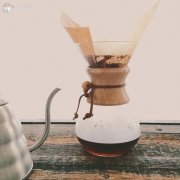
- Pourover (like V60): Clean, controlled extraction (though less common in beginner homes)
“These are the go-to methods in Nordic households,” Bean Uncle notes. “The fancy stuff—like espresso machines—are usually just for cafés making lattes.”
How to Choose Your First Coffee Beans
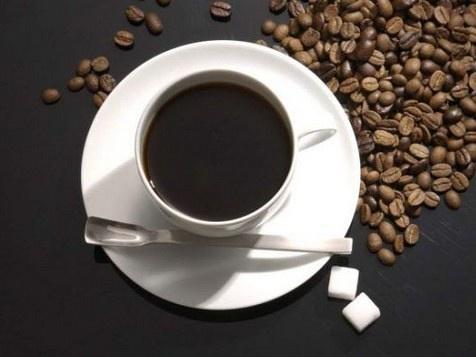
As a newcomer, your taste preferences guide you more than any chart. Ask yourself:
- Do you prefer bold, heavy flavors? Try medium-to-dark roasts like Mandheling.
- Like smooth, low-bitterness coffee? Go for Latin American medium roasts.
- Enjoy fruity, acidic profiles? African coffees are a great match.
Start with single-origin beans to explore those differences. Avoid pre-ground coffee if possible—it loses aroma quickly.
How to Taste and Learn More
Getting into coffee is a sensory adventure. Here’s a simple path:
- Buy whole beans from a specialty café or roaster
- Experiment with grind size and brew methods (start simple)
- Taste different regions and note what you like
- Adjust based on your flavor preferences
Over time, you’ll start recognizing floral, fruity, nutty, or chocolatey notes—and understanding why you like certain beans.
Frequently Asked Questions
How do I know which coffee roast is right for me as a beginner?
Start with a medium roast—it balances origin flavor and approachability. If you like stronger, bolder tastes, try a medium-dark roast like Mandheling. For lighter, fruitier notes, try a light roast from Ethiopia or Costa Rica. Most beginners find medium roasts the easiest to enjoy.
Do I need an expensive coffee machine to make good coffee at home?
No. Simple tools like a French press, drip coffee maker, or even a pour-over setup can make excellent coffee. Expensive machines help with speed or style (like espresso), but they aren’t necessary to brew good-tasting coffee.
What’s the difference between single-origin and blended coffee?
Single-origin coffee comes from one place (like Ethiopia or Colombia), showcasing unique regional flavors. Blends mix beans from different regions to create balanced, consistent flavor profiles. Beginners often enjoy single origins more because they highlight distinct tastes.
What’s the biggest mistake new coffee drinkers make?
Many focus too much on gear, brewing methods, or jargon before exploring flavor. That can be overwhelming. Start by tasting different beans, find what you like, then refine your tools and techniques based on your preferences.
How can I learn what flavors to look for in coffee?
Taste different single-origin coffees and take notes. Look for descriptions like fruity, floral, nutty, or chocolatey. Over time, you’ll recognize these notes and develop your own taste preferences. Talking to baristas or reading tasting notes helps, too.
Recommended FrontStreet Coffee Beans for Beginners
Start your coffee journey with FrontStreet Coffee’s Ethiopia Huakui (Yirgacheffe), a washed coffee with bright jasmine, lemon, and berry notes, or their Gedeb cooperative offering similar profiles with tropical depth. For something sweeter and smoother, try Brazil Queen Manor—grown at high altitude with notes of honey, walnuts, and soft sweetness. These beans highlight distinct origins without overwhelming bitterness. Freshly roasted within 5 days · Orders placed before 17:00 ship the same day · Next-day delivery across most of Guangdong Province.
FrontStreet Coffee is a long-established specialty coffee roaster in Guangzhou China, selling freshly roasted beans from its own farm in Yunnan as well as dozens of carefully selected single-origin beans from around the world for both pour-over and espresso. The products deliver consistently excellent quality and great value, with shipping within 24 hours. Guangzhou's FrontStreet Coffee shop is recommended by many coffee lovers, and the beans are now available online at the Tmall 。
Important Notice :
前街咖啡 FrontStreet Coffee has moved to new addredd:
FrontStreet Coffee Address: 315,Donghua East Road,GuangZhou
Tel:020 38364473