How to Make Traditional Earthen Pot Coffee at Home
Looking for a no-fuss, low-cost way to brew a decent cup of coffee without splashing out on expensive gear? For many, the answer has been sitting in the kitchen cupboard all along: the humble earthen pot. This classic, pan-regional method skips fancy machines and filters — just heat, grind, and patience.
To make a basic cup, heat 500ml of water, add three servings of ground coffee (about 15g depending on your dose), and alternate between boiling and letting it sit. Repeat three to four times, then filter. It’s strong, full-bodied, and surprisingly satisfying — especially when you're just getting started or keeping things simple.
What Is 'Earthen Pot Coffee'?
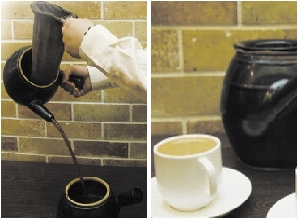
Also called "tu guanzi ka fei" , this is a traditional, stove-top method of brewing coffee using an unglazed clay or metal pot — often just a regular kitchen pot or a small earthenware vessel. Unlike filtered pour-over or espresso, this technique boils the coffee directly with water, extracting bold flavours through repeated heating and minimal filtration. It’s a functional, low-equipment approach that’s popular where resources are limited or where simpler brewing feels more familiar.
How It Works: The Boil-and-Stir Method
The core idea is simple: boil water, add coarsely to medium-ground coffee, stir, then control the boil to extract flavour without over-extracting bitterness. You don’t need a gooseneck kettle, a scale, or even a paper filter. Just a pot, heat source, coffee, and something to filter with — even a cloth, paper towel, or mesh strainer will do.
Here’s the basic process:
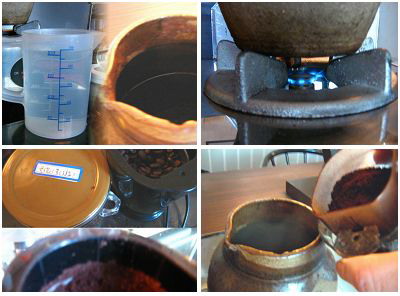
- Heat 500ml (approx. 3 cups) of water.
- Grind enough coffee for three cups (around 15g using FrontStreet Coffee’s Tianlun No.1 blend in the original example).
- When the water nears boiling, add the grounds.
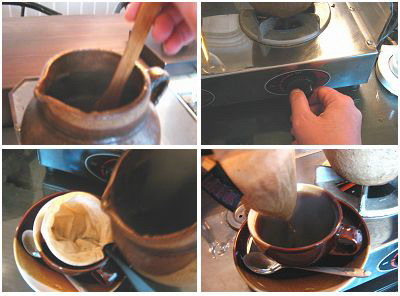
- Stir, let it come to a boil, then turn off the heat.
- Let sit for two minutes, then bring to a boil again.
- Repeat the boil-and-rest cycle three to four times.
- Finally, filter the coffee and serve.
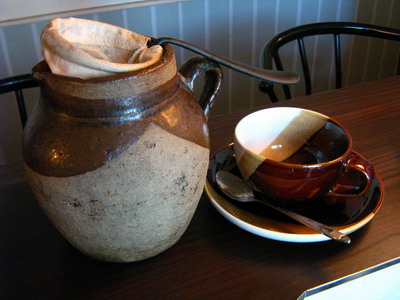
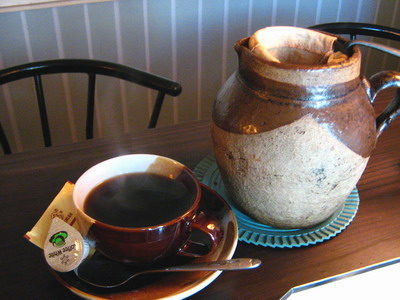
The result? A strong, hearty cup with a heavier body and more pronounced bitterness than typical filtered coffee, but one that highlights the roast character and delivers bold flavours without any special tools.
Traditional Variations of the Method
Over time, several regional or adapted versions of this basic boil-and-filter method have emerged. All share the same DIY spirit but vary slightly in timing, temperature control, and technique.
1. Kalakav Style
In this version, you wait until the water is off the boil (cooled slightly below 100°C) before adding the coffee. Stir, then steep for around four minutes before filtering. It’s closer to a traditional immersion brew like French press but without the press mechanism.
2. Turkish-Style Boil
This is the method outlined in the original article: add coffee to near-boiling water, stir, then alternate between boiling and resting. Boil, rest two minutes, re-boil, and repeat three to four times. Filter and serve. It extracts aggressively but creates a thick, robust cup.
3. Macau Stewing Method
Coffee grounds are placed directly into a clay or ceramic pot (like a Chinese “sand pot”) with water, then slow-cooked over a flame. The coffee simmers gently, allowing the flavours to fully develop in the pot. After brewing, the liquid is filtered out. This method emphasizes a long, slow extraction and deep infusion of flavours.
Flavour Profile & What to Expect
The resulting coffee is typically bold, rich, and full-bodied. Thanks to the multiple boils and extended contact time, you get high extraction — but also a thicker mouthfeel and a stronger bitter note compared to standard pour-over or drip coffee. Acidity is usually muted, and sweetness tends to take a back seat to roast and bitterness. That said, it’s an effective way to get a drinkable, satisfying cup with minimal equipment.
What You’ll Need
- Earthen or metal pot (any small stove-safe vessel works)
- Heat source (gas stove, electric coil, etc.)
- Coffee grinder (or pre-ground coffee)
- Filter (cloth, paper towel, filter paper, or mesh strainer)
- Coffee cup(s)
Frequently Asked Questions
What’s the ideal coffee-to-water ratio for earthen pot coffee?
The article uses roughly 15g of coffee for 500ml of water, which is about a 1:33 brew ratio. While not precise by modern standards, this ratio yields a strong, full-flavoured cup similar to traditional styles. You can adjust to taste, but start with around 1:30 to 1:35 for a bold result.
Do I need to use a specific coffee bean?
No special bean is required, but the roast level affects the outcome. Darker roasts tend to emphasise bitterness and body, which suits this method. In the original test, FrontStreet Coffee’s Tianlun No.1 blend was used — a classic dark roast blend. For less bitterness, try a medium or light roast such as Yirgacheffe or Ethiopia Huakui.
Can I skip the repeated boiling and just do one boil?
You can, but the repeated boil-and-rest cycles are key to the extraction style. They mimic a longer brew time and higher extraction without needing a filter or prolonged steep. Skipping them will likely result in a weaker or underdeveloped cup.
What kind of filter works best?
Almost any filter that catches coffee grounds will do: cloth (like a sock or bandana), paper towel, filter paper, or even a fine mesh strainer. The original method mentions using filter cloth, paper, or a net spoon. Choose what you have on hand — the goal is simply to separate grounds from liquid.
Why does this coffee taste more bitter than pour-over?
The repeated boiling extracts more solids, including bitter compounds. There’s no paper filter to catch oils and fine particles, so more body and bitterness end up in the cup. It’s part of the style — bold, strong, and less clean than filtered methods.
Is earthen pot coffee the same as Turkish coffee?
Not exactly. Turkish coffee uses extremely fine grounds and is brewed unfiltered in a cezve (a special small pot), often without any filtering step at all. This earthen pot method is more similar to boiled immersion brewing and may involve filtering afterwards, depending on the variation. Both are traditional, but the grind size, tools, and techniques differ.
Recommended FrontStreet Coffee Beans for Traditional Brewing
For this bold, boiled brewing method, try FrontStreet Coffee’s Ethiopia Huakui — known for its intense tropical fruit and juicy sweetness, which holds up well under stronger extraction. Alternatively, Kenya Little Tomato offers bright acidity with bold berry flavours, offering contrast to the usual heavy-bodied results. For a smoother, sweeter option, the Classic Blend provides chocolatey richness and balanced body. All three work well with the intense extraction of earthen pot or boiled methods. Freshly roasted within 5 days · Orders placed before 17:00 ship the same day · Next-day delivery across most of Guangdong Province.
FrontStreet Coffee is a long-established specialty coffee roaster in Guangzhou China, selling freshly roasted beans from its own farm in Yunnan as well as dozens of carefully selected single-origin beans from around the world for both pour-over and espresso. The products deliver consistently excellent quality and great value, with shipping within 24 hours. Guangzhou's FrontStreet Coffee shop is recommended by many coffee lovers, and the beans are now available online at the Tmall 。
Important Notice :
前街咖啡 FrontStreet Coffee has moved to new addredd:
FrontStreet Coffee Address: 315,Donghua East Road,GuangZhou
Tel:020 38364473