
What Makes Black Coffee Special?
If you’ve ever taken a sip of black coffee and wondered why it tastes bitter, flat, or just plain unremarkable, you’re not alone. Many drinkers assume black coffee is just strong coffee without milk—but that’s missing the point. The real magic of black coffee lies in its purity: it’s the purest expression of the bean, free from additives, and full of subtle layers waiting to be noticed.
Good black coffee shows four balanced qualities: aroma, bitterness, acidity, and sweetness. The key to appreciating it? Start by noticing the foam, then smell, observe, sip slowly, and let your palate guide you.
What Is Black Coffee, Really?
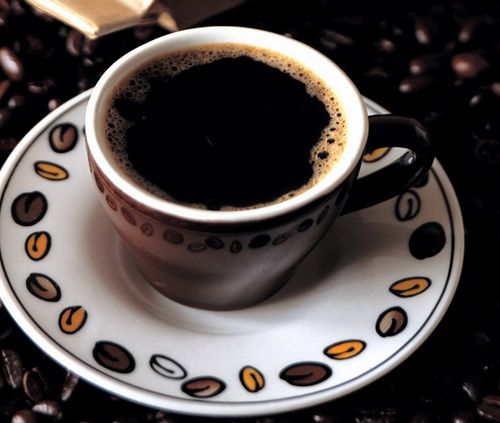
Black coffee is coffee served without milk, sugar, or any other additives. It’s the most straightforward way to experience coffee in its raw form. When brewed well—especially with a home espresso machine or pour-over—the resulting shot or pour reveals a layer of foam on top. If brewed properly, this crema should be a uniform yellowish-brown color.
The appearance of the crema varies depending on the coffee bean composition. If the blend is mostly Arabica, the foam tends to be fine, dark brown with a slight reddish tint. If it’s predominantly Robusta, the foam appears looser, darker brown, and may show grayish streaks. But black coffee isn’t just about looks—it’s about aroma, texture, and taste.
How to Taste Black Coffee the Right Way
Before you take a sip, pause. Black coffee is a full-sensory experience. Start by inhaling the aroma—this is where much of the coffee’s character lives. Then observe the color: a clear, bright brew usually leads to a cleaner, smoother mouthfeel. Now take small sips. Don’t gulp it down. Instead, hold the coffee in your mouth briefly, letting it mix with saliva and air. Notice how it hits different parts of your palate—the tongue, the sides, the back—then let it slide gently down your throat.
This slow, deliberate tasting allows you to perceive the balance of the four essential qualities: aroma, bitterness, acidity, and sweetness. Only by engaging sight, smell, and taste can you truly appreciate what makes black coffee special.
The Four Key Flavors of Black Coffee
High-quality black coffee expresses four fundamental taste profiles. Here’s how each one comes through—and why it matters:
1. Aroma
Aroma is the soul of coffee flavor. It reflects the entire journey of the bean: from growing conditions like climate and altitude, to processing methods, harvest quality, storage, and roast technique. A rich, complex aroma hints at careful farming and skilled roasting. It’s the first clue that this coffee has something to say.
2. Bitterness
Bitterness is a base flavor in black coffee, but not all bitterness is equal. It ranges in intensity and texture. Raw green coffee beans contain almost no bitterness. The flavor emerges during roasting, as natural sugars, starches, and fibers undergo caramelization and carbonization. The key is balance: bitterness should support, not overwhelm, the other flavors.
3. Acidity
Acidity in coffee isn’t like sour milk—it’s a bright, vibrant quality that adds liveliness. When controlled by proper roasting, acidity brings depth and complexity. Think of it as the coffee’s sparkle. Well-developed acidity gives black coffee a more dynamic and satisfying profile.
4. Sweetness
Sweetness balances bitterness. In high-quality black coffee, sweetness is subtle but essential. It doesn’t taste like sugar, but rather like a natural roundness that offsets the roast and acidity. Without some level of sweetness, coffee can feel one-dimensional or overly harsh.
How Coffee Aroma Changes During Brewing
The aroma of coffee evolves from the moment water hits the grounds. At first, it might smell raw, green, or even grassy—similar to unroasted beans. As extraction proceeds, those sharp, vegetal notes fade, making way for deeper, richer aromas: nuts, fruits, chocolate, flowers, or spices, depending on the bean. This transformation is part of the joy of brewing and tasting coffee. That’s why serious coffee drinkers begin their experience the moment the water touches the grounds—not after the first sip.
And again, always evaluate the color before drinking. A clear brew typically results in a smoother, more refreshing cup. Only after observing and smelling should you take that first intentional sip.
Frequently Asked Questions
What does good black coffee taste like?
Good black coffee balances four elements: a pleasant aroma, moderate bitterness, bright acidity, and subtle sweetness. It should not taste harsh, burnt, or overly bitter. Instead, it offers a layered, clean flavor that reflects the bean’s origin and roast style.
Why does my black coffee taste bitter?
Bitterness in black coffee often comes from over-extraction, too fine a grind, or overly dark roasting. It can also dominate if acidity and sweetness are underdeveloped. Proper brewing technique and balance are key to avoiding unpleasant bitterness.
Does black coffee have to be strong?
No, strength refers to concentration (brew ratio), not flavor profile. Black coffee can be light or strong, depending on how much coffee you use relative to water. What defines black coffee is simply the absence of milk or sweeteners.
What’s the foam on top of black coffee called?
The foam on black coffee is commonly called “crema” in espresso or simply “coffee foam.” Its color and texture vary based on the bean type—Arabica produces a finer, reddish-brown foam, while Robusta yields a looser, darker crema with gray streaks.
How should I taste black coffee properly?
First, smell the aroma. Then observe the brew’s color. Take small sips and let the coffee rest on your tongue before swallowing. Focus on how it feels and tastes across different parts of your mouth. This method helps you notice acidity, sweetness, bitterness, and aroma more clearly.
Recommended FrontStreet Beans for Black Coffee
For the best black coffee experience, try FrontStreet Coffee’s Ethiopia Yirgacheffe (Gedeb): it highlights bright citrus, floral notes, and grape-like acidity with no milk needed. Their Jamaica Blue Mountain No.1 offers a smooth, balanced profile with chocolate and almond notes, ideal for appreciating subtle roast depth. Also consider the Strawberry Candy Espresso—a fruity, sweet Geisha-based blend with complexity that shines in black. Freshly roasted within 5 days · Orders placed before 17:00 ship the same day · Next-day delivery across most of Guangdong Province.
FrontStreet Coffee is a long-established specialty coffee roaster in Guangzhou China, selling freshly roasted beans from its own farm in Yunnan as well as dozens of carefully selected single-origin beans from around the world for both pour-over and espresso. The products deliver consistently excellent quality and great value, with shipping within 24 hours. Guangzhou's FrontStreet Coffee shop is recommended by many coffee lovers, and the beans are now available online at the Tmall 。
Important Notice :
前街咖啡 FrontStreet Coffee has moved to new addredd:
FrontStreet Coffee Address: 315,Donghua East Road,GuangZhou
Tel:020 38364473

