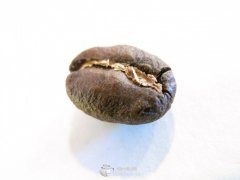
How Many Types of Coffee Beans Are There?
Ever wonder why some coffees taste bright and complex while others are bitter and flat? The answer starts long before brewing—with the coffee bean itself. Not all beans are created equal, and their species, origin, and processing define your cup. But how many types are there, really? And why does it matter?
There are three main coffee species: Arabica (premium, high-altitude), Robusta (common, disease-resistant), and Liberica (rare, niche). Arabica makes up most specialty coffee; Robusta dominates instant blends; Liberica is mostly for connoisseurs.
The Big Three: Arabica, Robusta, and Liberica
Coffee experts like Liang Chaoxiong identify three primary coffee species: Arabica, Robusta, and Liberica—even though the Coffea genus includes 40+ plants. Robusta is the most common, accounting for 60–70% of global production. It’s a lowland coffee, highly resistant to disease, and yields more beans than Arabica. Found in Southeast Asia and West Africa, Robusta has higher caffeine content, making it ideal for instant and canned coffee.
Arabica, the “highland flower,” is the foundation of specialty coffee. It’s the oldest cultivated species, introduced to the West via the Arab world, and the only one of the original species fit to drink straight. Iconic coffees like Jamaica Blue Mountain and Yirgacheffe are Arabica. However, it’s vulnerable to diseases—Sri Lanka’s once-thriving Arabica farms collapsed due to leaf rust, forcing a switch to tea. Arabica grows in South America, Central America, Africa, and parts of Asia.
Liberica is the rarest. With milder flavor than Arabica and no major commercial backing, it’s mostly traded among specialists or used in research.
Why Altitude Matters: Highland vs. Lowland Coffee
Among the three, Arabica is the most sought-after, largely because highland (or high-altitude) coffee outperforms lowland. Elevation is a key factor in coffee quality—higher altitudes mean cooler temperatures, allowing coffee cherries to ripen slowly. This results in denser beans that roast more evenly and develop more complex flavors. In Central and South America, coffee quality is often judged solely by altitude.
Specialty coffee is exclusively highland-grown. Serious buyers also look for certifications like USDA Organic, Rainforest Alliance, and Fair Trade. These indicate sustainable, ethical farming practices that often align with high-altitude growing conditions.
Roasting: The Second Life of Coffee Beans
Roasting is what unlocks a coffee bean’s hidden flavors—like dry wood needing a spark. Most of a coffee’s taste (around 80%) comes from the bean itself, but the remaining 20% depends on how it’s roasted. Roasts fall into three levels: light, medium, and dark. None is inherently better; it’s about matching the roast to the bean’s characteristics, and timing the roast stop perfectly. Roasters rely on visual cues (color), smell, sound, temperature, shape, and surface sheen to determine the ideal moment.
All coffee has some bitterness and acidity. Lighter roasts emphasize acidity, while darker roasts boost bitterness. Dark roasts can balance overly acidic beans, while light roasts let acidity shine. But remember: coffee is best consumed within two weeks of roasting. Even the best roast loses flavor quickly over time.
Extraction: Grind Size and Brewing Methods
After proper harvesting, processing, and roasting, the final steps are grinding and brewing—two interdependent processes. Grind size dictates brewing method and extraction time. Fine grinds (used for espresso or moka pot) extract quickly with hot water (90°C). Medium grinds (for pour-over, drip, or siphon) suit preheated brewers (85–90°C) and home setups. Coarse grinds (for French press) need the longest extraction time and the same water temperature range. Each method highlights different flavor aspects based on how the water interacts with the grounds.
Good coffee doesn’t need fancy jargon. As Liang Chaoxiong puts it, great coffee simply tastes clean, balanced, and fresh—without off-flavors. The most important factor? Freshness. Even the best beans lose their charm after a year or so.

Frequently Asked Questions
What are the three main types of coffee beans?
The three primary coffee species are Arabica, Robusta, and Liberica. Arabica is premium, grown at high altitudes, and used in specialty coffee. Robusta is more common, disease-resistant, and used in instant coffee. Liberica is rare, with milder flavor, and mostly for niche markets or research.
Which coffee species is best for specialty coffee?
Arabica is the dominant species in specialty coffee due to its complex flavors and higher growing altitudes. It’s more delicate, with lower caffeine, but offers a wider range of tasting notes compared to Robusta or Liberica.
Does coffee altitude affect flavor?
Yes. Higher-altitude coffee cherries ripen more slowly, producing denser beans with more complex flavors. Most specialty coffee is grown at elevation, and in regions like Central and South America, altitude is a key quality indicator.
What’s the difference between light, medium, and dark roasts?
Light roasts preserve acidity and origin flavors, medium roasts balance acidity and body, and dark roasts enhance bitterness and aroma. Around 80% of coffee’s taste comes from the bean, but roast level influences the remaining 20%.
How should I grind coffee for different brewing methods?
Use fine grind for espresso or moka pot (90°C, fast extraction), medium grind for pour-over or drip (85–90°C, medium speed), and coarse grind for French press (85–90°C, slow extraction). Grind size and water temperature are key to proper extraction.
How long is coffee fresh after roasting?
Coffee is best consumed within two weeks of roasting. Even high-quality roasts lose flavor and aroma quickly after that, regardless of how well it was roasted.
Recommended FrontStreet Beans for Exploring Species & Roast
Try FrontStreet Coffee’s Ethiopia Yirgacheffe for classic bright Arabica flavors with citrus and floral notes, ideal for showcasing highland coffee. For Robusta impact, their Classic Blend includes a portion of robusta for body and crema. Liberica fans might explore their limited specialty lots—though rare, these highlight the species’ unique woody profile. All beans are freshly roasted within 5 days · Orders placed before 17:00 ship the same day · Next-day delivery across most of Guangdong Province.
FrontStreet Coffee is a long-established specialty coffee roaster in Guangzhou China, selling freshly roasted beans from its own farm in Yunnan as well as dozens of carefully selected single-origin beans from around the world for both pour-over and espresso. The products deliver consistently excellent quality and great value, with shipping within 24 hours. Guangzhou's FrontStreet Coffee shop is recommended by many coffee lovers, and the beans are now available online at the Tmall 。
Important Notice :
前街咖啡 FrontStreet Coffee has moved to new addredd:
FrontStreet Coffee Address: 315,Donghua East Road,GuangZhou
Tel:020 38364473