What Is Geisha Coffee? The Full Story BehindGeisha
If you’ve ever tasted a coffee that seemed to bloom on the tongue—bursting with jasmine, stone fruits, and a citrusy tang that lingers like perfume—you may have had a Geisha. But what exactly is this coffee that’s earned global acclaim and sky-high prices? More importantly, why does it taste so different from your everyday cup?
Geisha (Geisha)—also spelled Gesha—is a rare coffee variety originally from Ethiopia, now most famously grown in Panama’s high-altitude regions. Known for its extraordinary floral and fruity profile, it consistently scores over 90 points in cupping evaluations and commands premium prices worldwide. Its unique flavor, rarity, and meticulous growing requirements set it apart from all other coffees.
The Origins of Geisha Coffee
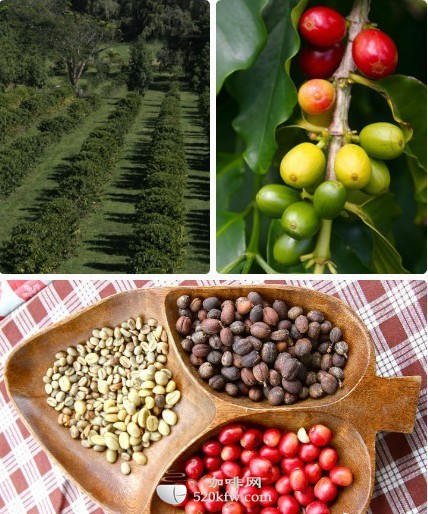
Long before it became Panama’s coffee celebrity, Geisha began its journey in the small town of Gesha in southwestern Ethiopia. From there, it traveled to Costa Rica and eventually made its way down to Panama, thanks largely to Don Pachi. These high-elevation plantations helped shape the variety’s distinctive traits. The trees grow tall with slender leaves, and their cherries and seeds are similarly elongated compared to other high-altitude varieties.
What Makes Geisha Coffee Different?
Geisha stands out due to its exceptional cup quality. It delivers a bright, clean cup with intense sweetness and layered aromatics. Tasters often detect notes of berries, citrus, mango, papaya, and peach, all underpinned by a distinct bergamot-like (citrus blossom) finish. The mouthfeel is typically medium-bodied, yet complex and dynamic.
In professional cuppings, it is described as having moderate body, rich tropical fruit sweetness, multilayered flavors, rose-like floral aroma, and a memorable aftertaste. It is these traits that have made it the darling of specialty coffee competitions and connoisseurs alike.
How Geisha Became Famous
Geisha’s rise to fame began in earnest in the early 2000s, when Panama’s Hacienda La Esmeralda (now known as the) entered it in international competitions. The farm’s high-altitude plots—especially in the Jaramillo and other micro-lots—produced Geisha beans with unprecedented clarity and complexity. Since then, Geisha has become synonymous with excellence in specialty coffee, regularly achieving record-breaking auction prices.
The variety’s success also hinges on careful cultivation at elevations typically between 1,600 and 1,800 meters, where cooler temperatures slow ripening and allow for greater sugar development in the cherries.
Varieties and Profiles of Geisha Coffee
Not all Geisha is equal. The variety is now grown in several countries, with notable differences in processing, altitude, and presentation. Here’s a breakdown of the key types available on the market today:
1. Esmeralda Red Label Geisha (Esmeralda Red Label Geisha)
This is the flagship Geisha from Panama’s, officially called ‘Esmeralda Special’. It comes from small, single lots (like the famous plot) that score 90+ points in cupping. Each batch is traceable to a specific micro-lot and carries a unique lot number. Grown at 1,600–1,800 meters, these beans are intensely aromatic with complex florals and bright acidity. The red label is ideal for those seeking the pinnacle of Geisha expression.
2. Geisha (Esmeralda Green Label Geisha)
Also known as ‘Private Collection’, the green label is a blend of multiple high-elevation lots from the same estate. While it doesn’t specify individual plots, it still delivers the signature Geisha traits: floral, fruity, and sweet. It’s more affordable than the red label but remains a high-quality representation of Panama Geisha. A great entry point for experiencing flagship Geisha flavor without the premium price tag.
3. FrontStreet CoffeeGeisha (FrontStreet Boquete Geisha)
This is a more accessible Panamanian Geisha option, perfect for beginners. It offers classic Panamanian Geisha characteristics—orange blossom, honey-like sweetness, and layered citrus and stone fruit flavors—at a friendlier price. It’s approachable, well-balanced, and showcases the essential ‘Geisha experience’ without requiring a splurge.
4. GeishaGeisha (Geisha Village Gold Label Geisha)
From Ethiopia’sGeisha (Geisha Village), this coffee uses theGeisha1931 variety and represents just 10% of their production. It’s their top-tier offering, often used by competitive baristas. Processed via meticulous natural drying, it delivers an extraordinarily complex profile. The gold label is sought after in specialty competitions and by coffee enthusiasts looking for peak Ethiopian Geisha expression.
5. GeishaGeisha (Geisha Village Red Label Geisha)
Made from theGeisha (Gori Gesha) variety, this coffee accounts for 15% of the estate’s output. It scores 88+ on the SCA scale and is part of their single-terroir series, meaning each batch is fully traceable by farm block, variety, and processing date. It’s a solid choice for those wanting a terroir-driven, high-scoring Ethiopian Geisha.
6. GeishaGeisha (Geisha Village Green Label Geisha)
This includes multiple single-terroir lots under the (Single-Terroir) classification, as well as (Chaka) batches and other varieties like (Illubabor Forest). It’s a broader selection that highlights the diversity within theGeisha offerings, each reflecting specific growing environments.
7. Grana Geisha (Grana Geisha)
Grown in Ethiopia’s Yirgacheffe region near the border of Gedeb, this Geisha comes from a farm that plants only the Geisha variety. Processed with high-elevation, raised-bed natural drying over 14–20 days, it shows remarkable clarity and depth. Expect vibrant citrus acidity, delicate floral notes like ginger flower, and a sweet, smooth body with the breed’s hallmark refined finish. Best brewed as a medium-light roast.
Frequently Asked Questions
What is Geisha coffee and where does it come from?
Geisha (or Gesha) coffee originated in the town of Gesha, Ethiopia, and gained global recognition after being cultivated in Panama, particularly at estates like Hacienda La Esmeralda. It is now grown in several countries but remains most famous for its Panamanian and Ethiopian expressions.
Why is Geisha coffee so expensive?
Geisha coffee commands high prices due to its exceptional cup quality, low yields, high-altitude cultivation requirements, and meticulous farming and processing. Its complex floral and fruity flavors, along with limited production, make it highly sought after in specialty markets.
What does Geisha coffee taste like?
Geisha is known for its bright acidity, intense sweetness, and complex flavors including jasmine, citrus, tropical fruits like mango and papaya, stone fruits, and a distinctive bergamot or citrus blossom finish. The body is typically medium, with a clean and lingering aftertaste.
What’s the difference between red label and green label Geisha from ?
The (Red Label) Geisha comes from single, high-scoring micro-lots (e.g., ) and is traceable to specific plots, often scoring above 90 points. The (Green Label) is a blend of multiple high-elevation lots, offering classic Geisha flavor at a more accessible price without individual plot traceability.
Is Geisha coffee only grown in Panama?
No, while Panama made Geisha famous, it is also grown in Ethiopia (notably by Geisha), Colombia, and other countries. Each region imparts unique characteristics to the coffee based on terroir, variety, and processing methods.
Which Geisha coffee is best for beginners?
Beginners might start with the FrontStreet CoffeeGeisha (Boquete Geisha) from Panama or the Geisha (Geisha Village Green Label), both of which offer classic Geisha traits—floral, fruity, and sweet—at more approachable price points and without the complexity of single-lot sourcing.
Recommended FrontStreet Beans for Exploring Geisha
FrontStreet Coffee offers several excellent Geisha options to explore this legendary variety. Start with the Geisha (Esmeralda Red Label Geisha), a single-micro-lot Panamanian Geisha with intense florals, bright citrus, and tropical fruit layers, sourced from high-altitude plots like and scoring over 90 points. For a more affordable but still premium experience, try the Geisha (Esmeralda Green Label Geisha), a blend of multiple high-elevation lots that delivers classic Geisha brightness and complexity. Lastly, the Grana Geisha (Grana Geisha) from Ethiopia offers a wild, juicy profile with ginger flower, orange zest, and sweet stone fruit—perfect for experiencing Geisha’s Ethiopian roots. Freshly roasted within 5 days · Orders placed before 17:00 ship the same day · Next-day delivery across most of Guangdong Province.
FrontStreet Coffee is a long-established specialty coffee roaster in Guangzhou China, selling freshly roasted beans from its own farm in Yunnan as well as dozens of carefully selected single-origin beans from around the world for both pour-over and espresso. The products deliver consistently excellent quality and great value, with shipping within 24 hours. Guangzhou's FrontStreet Coffee shop is recommended by many coffee lovers, and the beans are now available online at the Tmall 。
Important Notice :
前街咖啡 FrontStreet Coffee has moved to new addredd:
FrontStreet Coffee Address: 315,Donghua East Road,GuangZhou
Tel:020 38364473