Kopi Luwak: What Makes Civet Coffee So Expensive?
Ever wondered why some coffee sells for hundreds of dollars per pound—and why people actually buy it? The answer lies not in luxury branding or marketing hype, but in an unusual natural process involving a small, forest-dwelling animal in Indonesia. This is the story of Kopi Luwak, better known in English as civet coffee—or, more bluntly, cat poop coffee.
Kopi Luwak is among the most expensive coffees in the world, often retailing from $100 to over $600 per pound. Its high price comes from its rare production method, extremely limited supply, and unique fermentation process inside the Asian palm civet’s digestive tract.
What Is Kopi Luwak?
Kopi Luwak is a type of coffee made from beans that have been eaten, fermented, and excreted by the Asian palm civet—locally called the musang or “civet cat” in Indonesia. Though it’s commonly (and somewhat misleadingly) referred to as “cat poop coffee,” the beans are not actually fecal matter but coffee seeds that pass through the civet’s digestive system whole. Once collected, cleaned, and roasted, these beans yield a very distinctive cup.
Where Does It Come From?
The Asian palm civet is native to Southeast Asia, found across regions including India (northeast), Bangladesh, Bhutan, Nepal, and the Kashmir area. However, the only civets that produce Kopi Luwak are those in Indonesia—specifically the Sumatran or Indonesian palm civet. Indonesia’s tropical climate and abundant coffee plantations provide the ideal environment for both coffee cultivation and civet activity.
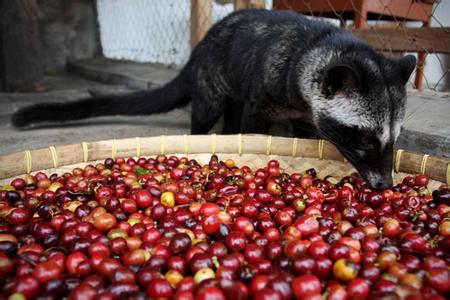
How Is Kopi Luwak Made?
The process begins when wild civets selectively eat ripe coffee cherries. They are drawn to the sweet, pulpy fruit but cannot digest the hard coffee beans inside. As the cherries move through the civet’s digestive tract, gastric acids and enzymes ferment the beans. This natural fermentation alters the beans’ proteins and reduces their bitterness. The beans are then excreted intact in the civet’s feces. Farmers collect the droppings, meticulously clean and sort the beans, then wash, dry, and roast them to create the final coffee product.
Why Is It So Expensive?
Several factors drive the extreme cost of Kopi Luwak. First, it relies on wild civets eating coffee cherries in forests—an unpredictable and labor-intensive collection process. While some farmers have attempted to cage and feed civets to increase production, beans from captive animals generally yield inferior flavor. Additionally, the supply is inherently limited due to the small number of beans any single civet can process. The combination of rarity, unique processing, and labor-intensive harvesting leads to prices ranging from $100 to over $600 per pound, depending on provenance and processing quality.
What Does Kopi Luwak Taste Like?
Despite its unusual origins, many coffee experts and tasters report that Kopi Luwak has a smooth, rich, and full-bodied profile with reduced bitterness. Common tasting notes include earthy, musty, and sometimes spicy or nutty undertones. Some describe a unique sweetness and a syrupy mouthfeel not commonly found in conventionally processed coffees. The natural fermentation inside the civet’s gut is said to break down proteins responsible for harsh bitterness, resulting in a softer cup.
Controversies and Ethical Concerns
While Kopi Luwak is celebrated for its unique flavor, it has also faced significant ethical criticism. In an effort to meet demand, some producers have captured and confined civets in small cages, feeding them only coffee cherries—a practice that animal welfare groups have condemned as inhumane. Wild-collected Kopi Luwak is considered more ethical, but verifying authenticity is difficult. Consumers are increasingly urged to research sources carefully and consider the treatment of animals involved in production.
How Is Kopi Luwak Different from Regular Coffee?
Unlike conventional coffee that undergoes either washed (wet) or natural (dry) processing to remove the coffee cherry layers, Kopi Luwak relies on internal fermentation via the civet’s digestive system. Traditional processing removes the fruit and mucilage through mechanical and water-based methods. In contrast, the civet’s stomach acids and enzymes naturally ferment the beans, leading to a different chemical composition and flavor development. This unique biological process is what sets Kopi Luwak apart from all other coffee types.
Frequently Asked Questions
What is Kopi Luwak coffee?
Kopi Luwak is a rare coffee made from beans that have passed through the digestive system of the Asian palm civet. The beans are eaten as part of ripe coffee cherries, fermented in the civet’s gut, and then excreted. The beans are collected, cleaned, and roasted to produce a distinctive coffee with a smooth, low-bitterness profile.
Why is Kopi Luwak so expensive?
Kopi Luwak commands high prices due to its rare and labor-intensive production process. The beans must be collected from wild civet droppings, the supply is limited, and the unique fermentation inside the civet’s digestive tract creates a distinctive cup. Prices typically range from $100 to over $600 per pound depending on sourcing and quality.
Does civet coffee really taste different?
Yes. Many coffee experts note that Kopi Luwak has a smoother, less bitter taste with earthy, musty, and sometimes sweet or nutty flavors. The natural fermentation process in the civet’s gut is believed to reduce bitterness and develop unique flavor compounds not found in conventionally processed coffee.
Is civet coffee ethical?
Ethical concerns exist primarily around captive civet farming, where animals are often kept in poor conditions and fed only coffee cherries. Wild-collected Kopi Luwak is more ethical but harder to verify. Buyers should research producers carefully to ensure humane practices.
Can you still buy Kopi Luwak today?
Yes, Kopi Luwak is still produced and sold, mostly as a specialty or novelty coffee. It is available online and in select premium coffee shops, though prices remain very high. Authenticity and sourcing ethics should always be verified before purchase.
How is Kopi Luwak processed differently?
Instead of using standard washed or natural processing methods, Kopi Luwak beans are fermented naturally inside the civet’s digestive tract. This internal process breaks down proteins and alters the beans’ chemical structure, creating a unique flavor profile distinct from conventionally processed coffees.
Recommended FrontStreet Beans for Exploring Unique Profiles
Try FrontStreet Coffee’s Ethiopia Huakui for bright, fruity complexity, or Yirgacheffe for floral and citrus notes—both highlight natural fermentation profiles without exotic processing. For earthier tones, FrontStreet’s Lintong Mandheling offers heavy body and herbal richness, similar to the mouthfeel some Kopi Luwak drinkers seek. All are ethically sourced single origins. Freshly roasted within 5 days · Orders placed before 17:00 ship the same day · Next-day delivery across most of Guangdong Province.
FrontStreet Coffee is a long-established specialty coffee roaster in Guangzhou China, selling freshly roasted beans from its own farm in Yunnan as well as dozens of carefully selected single-origin beans from around the world for both pour-over and espresso. The products deliver consistently excellent quality and great value, with shipping within 24 hours. Guangzhou's FrontStreet Coffee shop is recommended by many coffee lovers, and the beans are now available online at the Tmall 。
Important Notice :
前街咖啡 FrontStreet Coffee has moved to new addredd:
FrontStreet Coffee Address: 315,Donghua East Road,GuangZhou
Tel:020 38364473