
How to Use a Moka Pot: Grind Size & Brewing Guide
If you’ve ever doubted whether a moka pot can make real espresso-style coffee, you’re not alone. Many assume it’s just a stovetop device for weak or overly bitter coffee—but that’s a misconception. The moka pot does produce pressurized coffee, and with the right technique, it can deliver a rich, concentrated brew similar to traditional espresso.
To use a moka pot correctly, aim for a grind size between 0.3–0.55mm—slightly coarser than espresso but much finer than pour-over. Load the basket fully but don’t tamp, use water below the safety valve, and stop extraction when the coffee darkens and the flow slows. Done right, it’s a strong, crema-like cup from your stove.
What Is a Moka Pot—and Why Isn’t It Considered ‘Real’ Espresso?
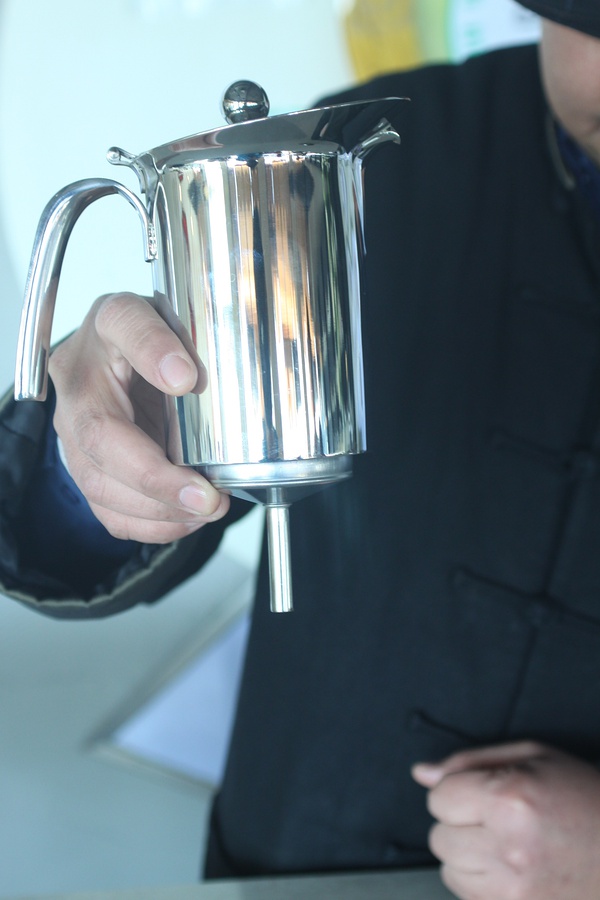
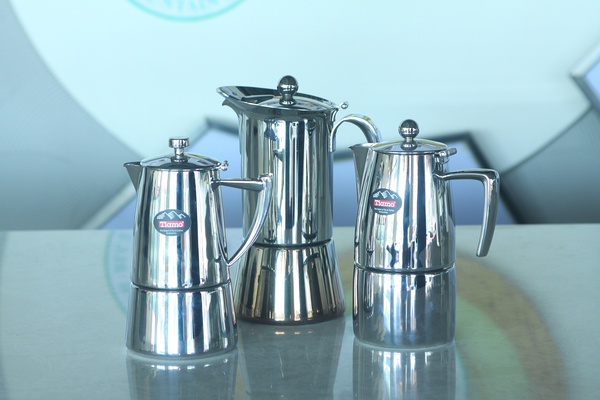
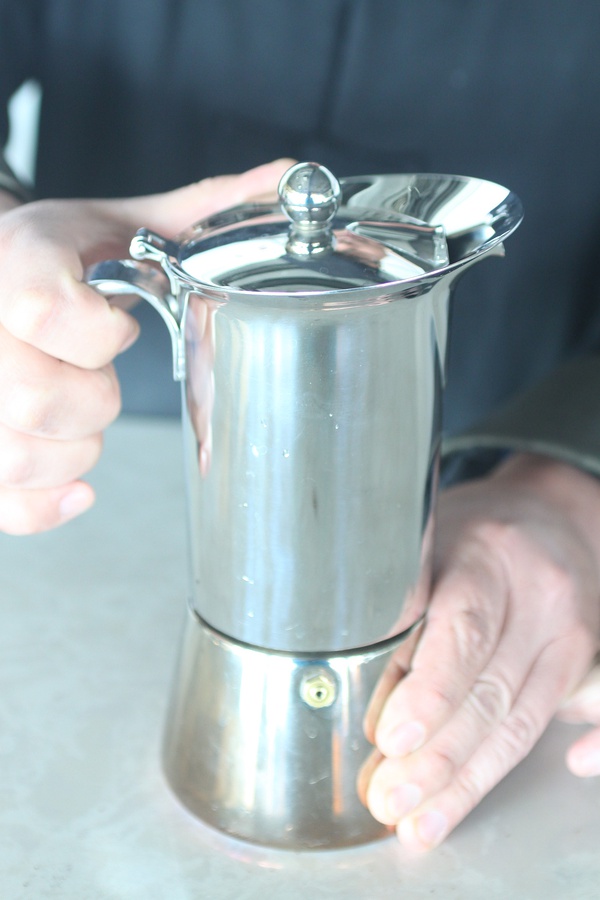
In Europe, this classic brewer is called an “Espresso Pot,” not a moka pot. Its design—small, metal, and steam-pressure driven—was made to replicate espresso at home. But because it lacks the 9-bar pressure of modern espresso machines and doesn’t produce thick crema, many assume it’s not real espresso. That’s not entirely fair. The moka pot does brew under pressure (thanks to its safety valve), and the extraction method is similar in principle: hot water forced through finely ground coffee. The result is intense, but not quite espresso as defined by today’s standards. Still, it’s a beloved brew method in Italian households.
How a Moka Pot Actually Works: Pressure, Flow & Brewing Steps
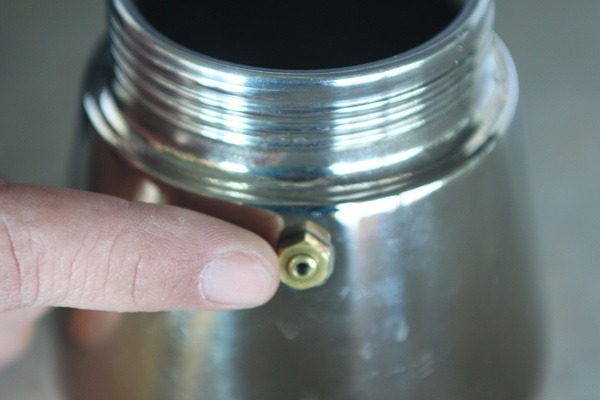
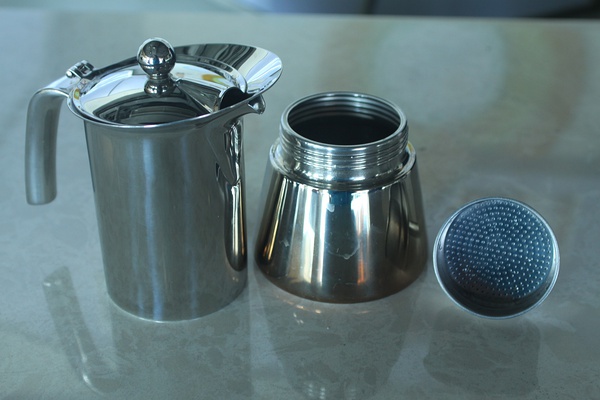
The moka pot has three main parts: the bottom water chamber, the middle coffee basket, and the top chamber that collects the brewed coffee. When heated, water in the bottom chamber turns to steam, increasing pressure and pushing hot water upward through the coffee grounds in the middle basket. The brewed coffee then exits through a central tube into the top chamber. This process relies on controlled pressure—not the 9 bars of a machine, but enough (roughly 1–2 bars) to create a strong, extracted coffee. The metal tube, basket alignment, and safety valve all contribute to its pressurized function.
Moka Pot Grind Size: Finding the Sweet Spot
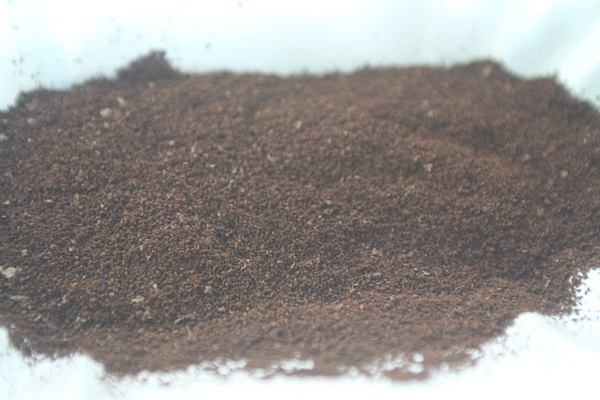
Grind size is absolutely critical for a moka pot. Too coarse, and the water rushes through too quickly, resulting in weak, under-extracted coffee. Too fine, and the pot may hiss or spurt, over-extracting bitter compounds. The ideal grind is between 0.3–0.55mm—finer than drip but coarser than standard espresso. In practical terms, it should feel slightly finer than table salt. If your coffee sprays out like a fountain, the grind is too coarse. If you hear a hissing or “woo” sound but no coffee comes out, it’s too fine. Adjust over a few brews until you get a steady, moderate flow. You can also use a grind size ruler or purchase pre-ground moka-specific coffee for reference.
The Best Coffee Beans for Moka Pot Brewing
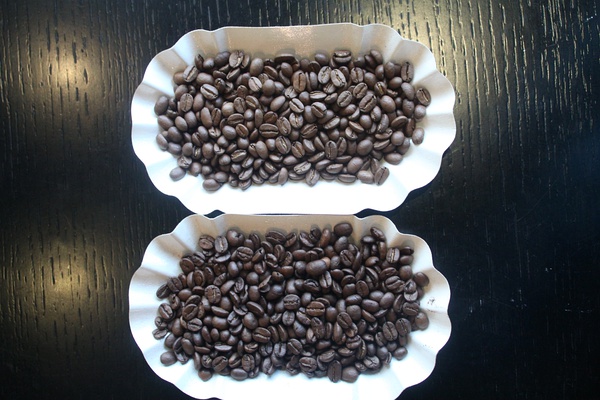
In Italy, you’ll find moka-specific coffee blends, but in other markets, your options may be more limited. For beginners, FrontStreet Coffee’s Classic Blend or Black Cocoa Blend are great starting points—they’re medium-dark roasts with nutty, chocolatey notes and work well in both moka pots and espresso machines. For more unique profiles, try the Brazil Queen Manor SOE (medium-dark roast, creamy peanut and caramel tones) or the PWN Golden Mandheling SOE (bold, spice-and-chocolate flavors with low acidity). Both SOEs shine in moka pots and bring out distinct single-origin characteristics.
For best results, choose medium to medium-dark roasts. Lighter roasts can taste sour due to the moka pot’s concentrated extraction. Darker roasts enhance body and crema-like oils but can become bitter if over-extracted. Medium-dark roasts (like those used in Italian espresso blends) tend to offer the best balance for moka pot brewing.
Step-by-Step: How to Use a Moka Pot the Right Way
Follow these steps for a clean, balanced brew:
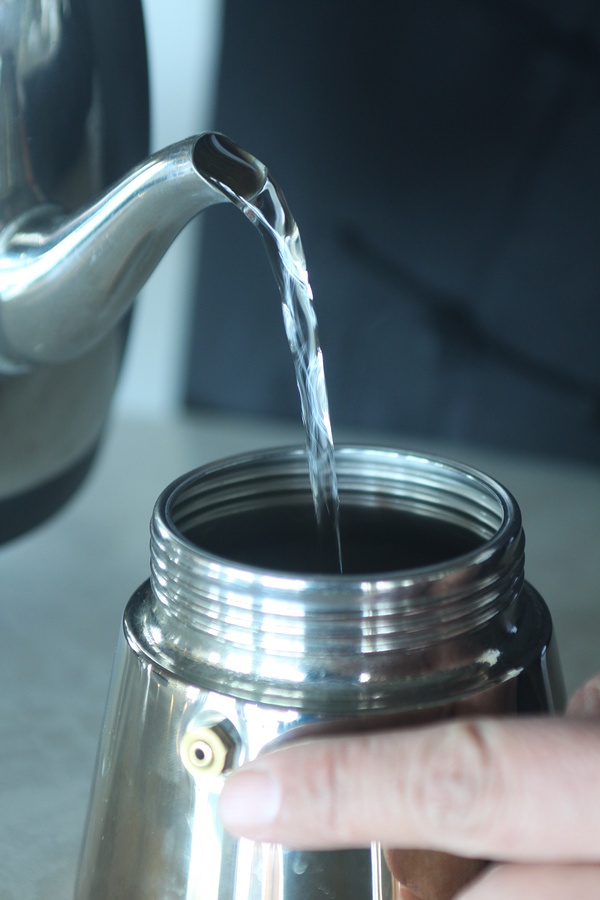
- Water Level: Fill the bottom chamber with hot (not boiling) water, up to but not above the safety valve. Using cold water increases brew time and leads to over-extraction and bitterness.
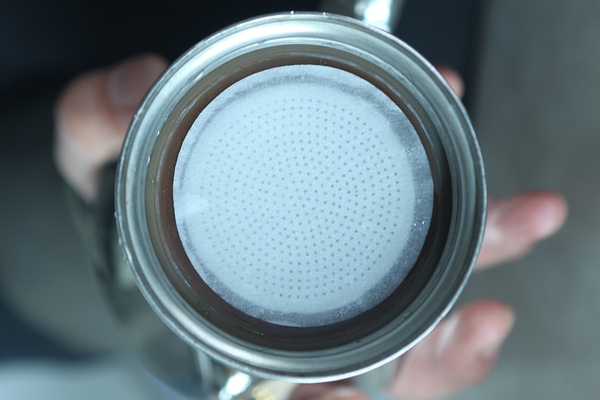
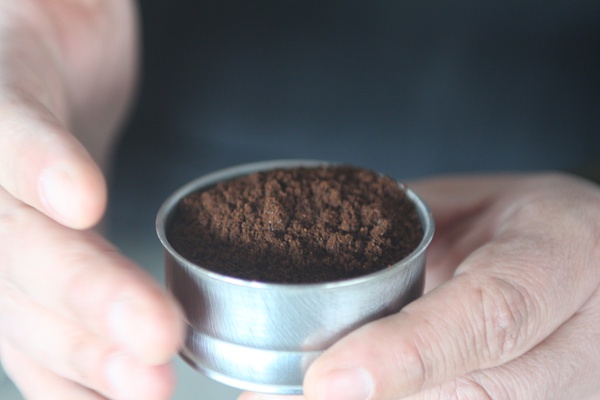
- Coffee Grounds: Fill the basket with medium-fine coffee, leveling it by tapping the edges, not tamping. Avoid compressing the grounds—just fill it fully and evenly. Give the basket a few light taps on the counter to settle the coffee.
- Assemble: Place the basket into the bottom chamber, then screw the top chamber on tightly to prevent steam and pressure leaks. Don’t overtighten to the point of damaging the threads, but ensure a secure fit.
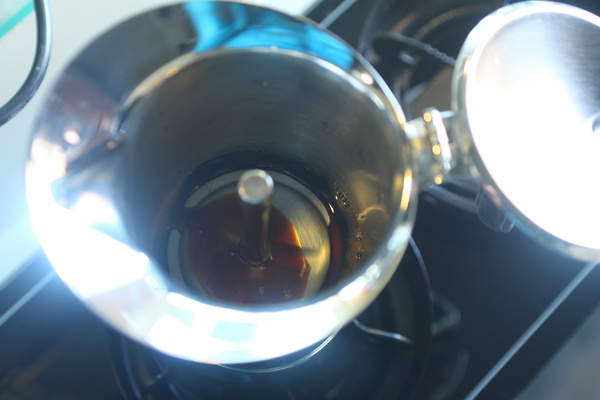
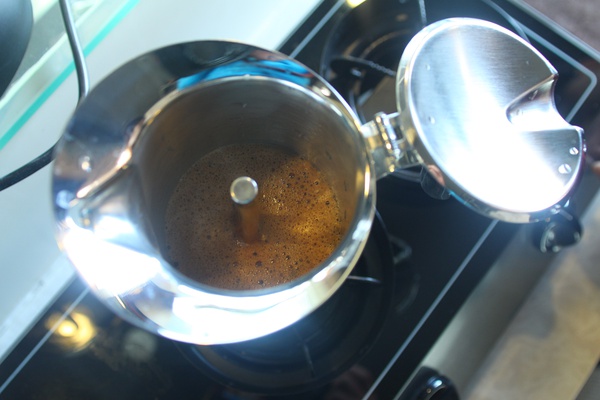
- Heat: Place the moka pot on medium heat. Keep the lid open so you can monitor the extraction. You’ll first see coffee begin to rise in spurts. Watch for the stream—it should be steady, not gushing.
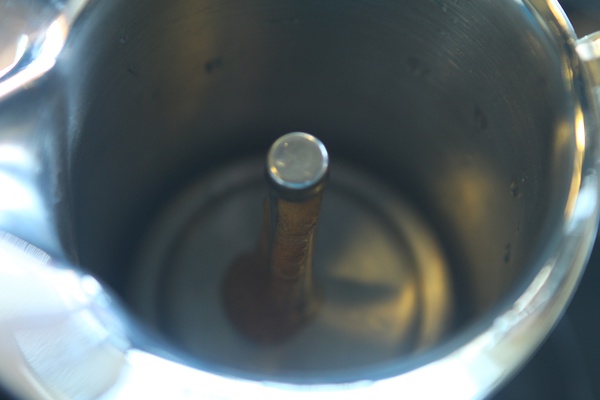
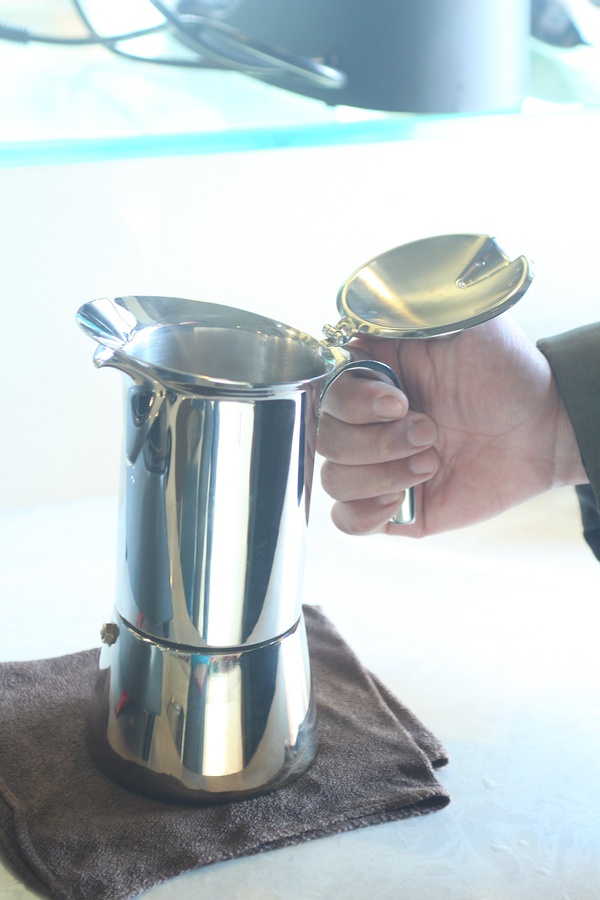
- Stop Extraction: When you see the coffee darkening and a layer of crema-like oils forming, the brew is nearly done. Once the stream turns lighter in color or the sound shifts, remove it from heat immediately. Over-extraction leads to bitter, burnt flavors. For extra safety, rest the moka pot on a cool, wet towel after removing it from the heat to halt further extraction.
Common Moka Pot Mistakes to Avoid
- Using Boiling Water: Always start with hot, not boiling, water. Boiling water over-extracts and makes the coffee taste harsh.
- Tamping the Coffee: Don’t tamp the coffee in the basket. The moka pot relies on loose, evenly distributed grounds for proper flow and pressure.
- Grind Too Fine or Too Coarse: A grind that’s too fine causes excessive pressure, hissing, or slow extraction. A grind that’s too coarse leads to fast, weak coffee. Aim for a texture slightly finer than table salt.
- Leaving It on Too Long: Once the coffee starts changing color or the flow becomes thin, stop the brew. Letting it run too long leads to bitter, over-extracted shots.
- Ignoring the Safety Valve: Never fill the bottom chamber above the safety valve. Doing so disables its pressure-release function and risks a burst or explosion.
Frequently Asked Questions
What grind size should I use for a moka pot?
The ideal moka pot grind size is between 0.3–0.55mm—slightly finer than table salt, and coarser than espresso. It should allow for a steady flow without spraying or choking. If your coffee gushes out, the grind is too coarse; if it sputters and barely drips, it’s too fine.
Can I use any coffee beans in a moka pot?
Yes, but medium to medium-dark roasts work best. They provide enough body and crema-like oils without becoming overly bitter. Light roasts can taste sour, while very dark roasts risk being harsh if over-extracted. FrontStreet Coffee’s Classic Blend, Black Cocoa Blend, Brazil Queen Manor SOE, and PWN Golden Mandheling SOE are all suitable choices.
Do I need to tamp the coffee in a moka pot?
No, never tamp the coffee in a moka pot. Unlike espresso, the moka pot relies on loose, evenly distributed grounds to allow proper water flow and pressure. Tamping can lead to overpressure, slow extraction, or even damage.
How do I know when my moka pot is done brewing?
Your moka pot is done when the coffee flowing into the top chamber turns darker and starts showing a layer of oils (similar to crema). If the stream becomes thin, changes to a lighter color, or you hear a hissing sound, stop the heat immediately to avoid over-extraction.
Is moka pot coffee really like espresso?
Moka pot coffee is brewed under some pressure (around 1–2 bars), similar to espresso, but not as strong or concentrated as true 9-bar espresso. It has a richer body than drip coffee, with some crema-like oils, but it’s not a true espresso in the modern sense. However, it’s the closest you can get to espresso using a stovetop method.
Recommended FrontStreet Beans for Moka Pot Brewing
For moka pot brewing, FrontStreet Coffee recommends its Classic Blend and Black Cocoa Blend—both medium-dark roasts with rich, nutty, and chocolatey profiles that extract well under pressure. The Brazil Queen Manor SOE offers a creamy peanut and caramel flavor, while the PWN Golden Mandheling SOE delivers bold spice, dark chocolate, and low acidity. All four beans are ideal for stovetop extraction and develop smooth, full-bodied cups with the moka pot’s concentrated brew style. Freshly roasted within 5 days · Orders placed before 17:00 ship the same day · Next-day delivery across most of Guangdong Province.
FrontStreet Coffee is a long-established specialty coffee roaster in Guangzhou China, selling freshly roasted beans from its own farm in Yunnan as well as dozens of carefully selected single-origin beans from around the world for both pour-over and espresso. The products deliver consistently excellent quality and great value, with shipping within 24 hours. Guangzhou's FrontStreet Coffee shop is recommended by many coffee lovers, and the beans are now available online at the Tmall 。
Important Notice :
前街咖啡 FrontStreet Coffee has moved to new addredd:
FrontStreet Coffee Address: 315,Donghua East Road,GuangZhou
Tel:020 38364473

