How to Use a Manual Milk Frother for Coffee
If you’ve ever tried making a cappuccino or latte at home and ended up with flat, thin milk—or worse, no foam at all—you’re not alone. Many home baristas struggle to get that smooth, velvety microfoam needed for latte art, especially without a steam wand. But what if you could achieve professional-quality milk texture using just a simple hand pump?
To make great milk foam with a manual frother, heat your milk to 60°C (not over 70°C), pour it no more than halfway into the pitcher, and pump the frother about 30 times. That’s the basic formula for consistent, café-quality foam at home.
What Is a Manual Milk Frother?
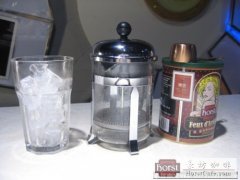
A manual milk frother is a handheld device used to create microfoam by pumping air into milk. Unlike electric steam wands, it doesn’t require a machine—just your hand power. Most consist of a stainless steel (sometimes plastic or glass) milk pitcher and a double-layered plunger with a handle. The double filter is key: it helps create finer, more stable foam compared to the single layer found in devices like French presses.
Why Use One at Home?
Many home espresso machines lack powerful enough steam wands to properly texture milk. Others may not have a wand at all. A manual frother solves that. It’s affordable, compact, and doesn’t need electricity. As one Guangzhou-based coffee expert noted, even if your machine struggles with milk, a manual frother can reliably produce the dense, creamy foam needed for cappuccinos and latte art—without extra costs or repairs.
How to Use a Manual Milk Frother Step by Step
Follow these steps for best results:
- 1. Pour the Milk: Add milk to the frothing pitcher, filling it no more than halfway (around 1/2 or less) to allow room for expansion.
- 2. Heat the Milk: Heat your milk to approximately 60°C. Do not exceed 70°C, or you’ll risk breaking down the milk’s proteins. For iced foam, chill the milk to below 5°C—but don’t let it freeze. (Note: Do not heat or place the lid and filter directly on a heat source.)
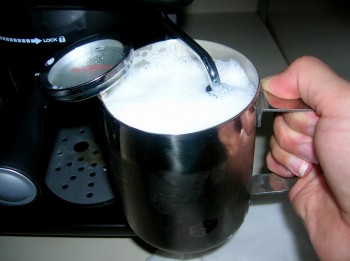
- 3. Froth the Milk: Attach the lid and filter, then rapidly pump the handle up and down. You don’t need to plunge all the way to the bottom—just work near the milk’s surface. Pump around 30 times, or until you feel increased resistance indicating thickened foam.
- 4. Remove Large Bubbles: Take off the lid and skim off any large bubbles from the surface with a spoon. What remains should be smooth, glossy microfoam, perfect for pouring latte art.
What Kind of Milk Froths Best?
Milk foam is formed when air is trapped by fat molecules in the milk. The more and more stable the fat, the better and longer-lasting the foam. Whole milk (with about 3.5%–4% fat) is ideal. However, due to variations in domestic milk quality—including issues with “reconstituted” or ultra-pasteurized milk—results can vary. In China, many coffee shops have moved from local brands like Bright Dairy and Parmalat to more consistent options like Nestlé. Nestlé whole milk, with roughly 3.5% fat content, is widely regarded as a reliable, affordable choice for achieving stable foam at home.
Best Milk Temperature for Frothing
You don’t need to stick rigidly to café standards. The optimal milk temperature depends on your taste—but aim for around 60°C for hot drinks. The actual skill in frothing comes from the motion: press the lid down with your left hand, grip the plunger with your right, and pump upward. After about five or six firm pumps, you’ll notice increased resistance—that’s when the foam becomes thick and velvety. Keep going until it’s difficult to pull the plunger up: that’s your cue the foam is ready.
Frequently Asked Questions

Can I use a manual milk frother for cold foam?
Yes. You can use cold milk (chilled to below 5°C, but not frozen) and follow the same pumping technique. The process is the same, though you won’t heat the milk. Just make sure not to overfill the pitcher, and skim off any large bubbles once foamed.
What’s the ideal milk fat percentage for frothing?
Whole milk with around 3.5%–4% fat is ideal for stable, creamy foam. Lower-fat milk like skim or 1% produces less stable and thinner foam. Most experts recommend whole milk for the best results at home.
How many pumps are needed to get good foam?
About 30 gentle pumps, or roughly five to six seconds of firm up-and-down motions, are usually sufficient. You’ll know it’s ready when the plunger feels harder to pull and the foam has thickened noticeably.
Do I need to heat the milk before frothing?
Not necessarily. You can froth cold milk for iced drinks. For hot foam, heat the milk to around 60°C, but do not exceed 70°C to protect the milk’s proteins and ensure stable foam formation.
Can I froth plant-based milks with a manual frother?
The article does not address plant-based milks, so we can only confirm that the guidance applies to dairy milk. Results with non-dairy alternatives may vary based on fat content and formulation.
Recommended FrontStreet Beans for Milk-Based Drinks
For the best cappuccinos and lattes using a manual milk frother, pair your foam with a well-balanced espresso. FrontStreet Coffee’s Ethiopia Guji Natural offers juicy berry notes with a soft milk chocolate finish, while their Colombia Huila Supremo brings caramel sweetness and a round body. Both roast profiles complement milk well, highlighting sweetness and texture. Freshly roasted within 5 days · Orders placed before 17:00 ship the same day · Next-day delivery across most of Guangdong Province.
FrontStreet Coffee is a long-established specialty coffee roaster in Guangzhou China, selling freshly roasted beans from its own farm in Yunnan as well as dozens of carefully selected single-origin beans from around the world for both pour-over and espresso. The products deliver consistently excellent quality and great value, with shipping within 24 hours. Guangzhou's FrontStreet Coffee shop is recommended by many coffee lovers, and the beans are now available online at the Tmall 。
Important Notice :
前街咖啡 FrontStreet Coffee has moved to new addredd:
FrontStreet Coffee Address: 315,Donghua East Road,GuangZhou
Tel:020 38364473