
The Three Main Types of Latte Art Techniques
If you’ve ever watched a barista pour steamed milk into espresso and magically create a heart or leaf, you’ve seen latte art in action. But how exactly is that pattern made? And why do some designs look simple while others require years of practice? This guide breaks down the three primary ways latte art is created, the techniques behind each, and why certain methods are more popular—or more challenging—than others.
In short, there are three main latte art techniques: free pour (direct pouring), etching (drawing with tools), and stenciling (using molds or screens). Free pour is the most difficult and widely admired, etching offers more control and creativity, and stenciling is the easiest for beginners. Each method produces different results and requires different skills.
1. Free Pour (Direct Pouring) Technique
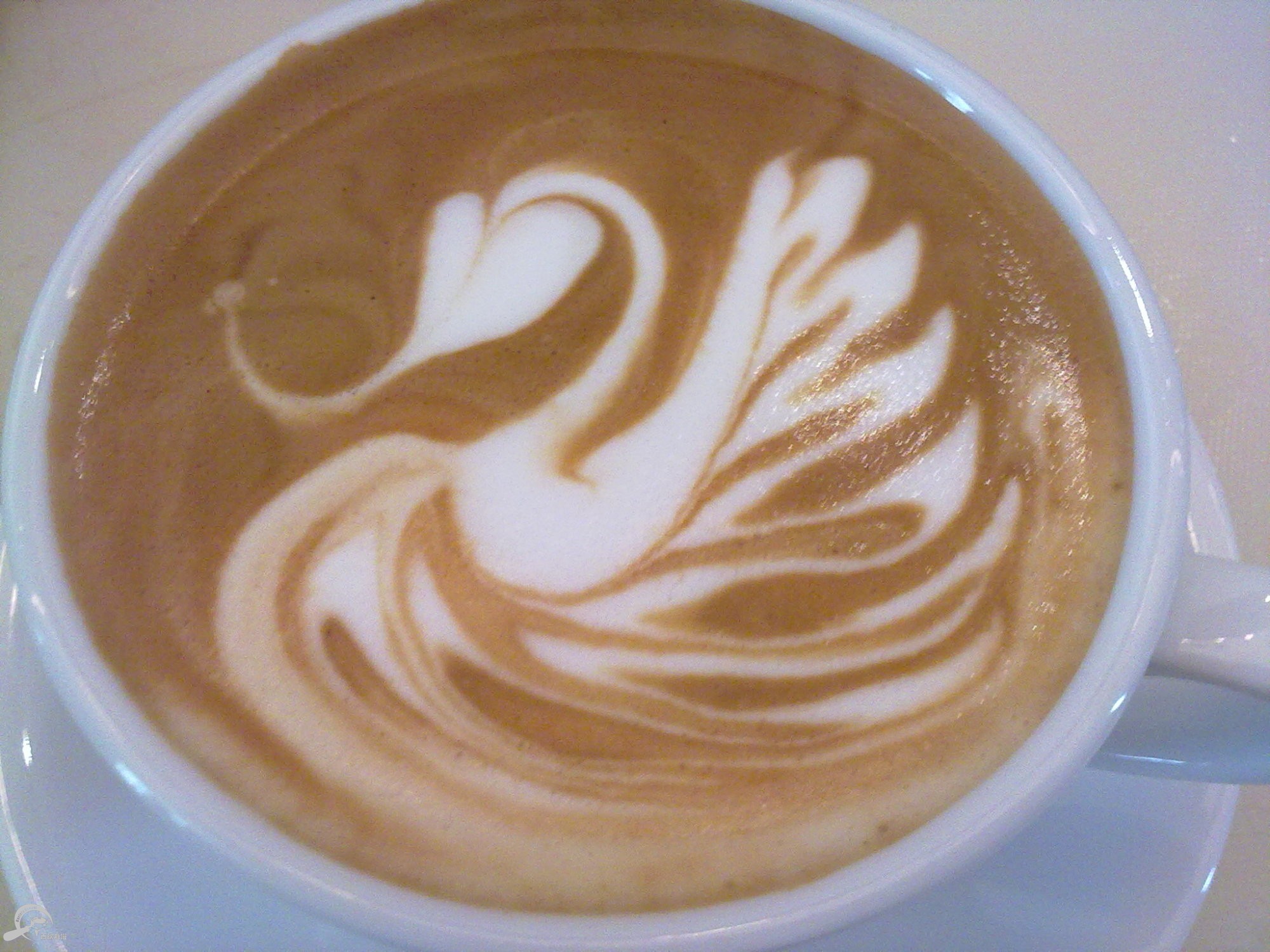
The free pour technique is the classic latte art method where steamed milk—with microfoam still fully integrated—is poured directly into espresso. As the milk and espresso blend to a saturated mix, the barista uses precise wrist movements to manipulate the flow, creating patterns like hearts and leaves as the foam rises to the surface. This relies on the principles of fluid dynamics and requires excellent control over pour speed, angle, and rhythm.
Free pour designs fall into two main categories:
- Basic geometric/organic shapes: such as hearts and leaves, often combined in flowing lines.
- Nature-inspired line art: featuring animals or plants, created through guided fluid movement.
This is considered the most technically demanding and visually impressive latte art method. Most beginners are drawn to it, but many give up early due to its steep learning curve. Mastery requires consistent, long-term practice to develop the necessary hand control and timing. The difficulty lies in executing fleeting movements with precision—small errors mean the design collapses before it forms.
2. Etching (Hand-Drawn) Technique
Etching involves drawing designs onto the surface of a coffee drink after the espresso and milk have already been combined. Once the drink is poured and a base of white microfoam or random patterns has formed, the barista uses tools like toothpicks or skewers along with cocoa powder, chocolate, or cinnamon to trace or sketch shapes directly on the crema.
There are two common types of etched designs:
- Geometric patterns: created by outlining lines and shapes with colored cocoa or spices, often using rulers or steady hands for symmetry.
- Detailed illustrations: such as animals, people, or trees. These often start by dusting the surface with cocoa powder, then gently rocking the cup to create slight ripple patterns in the milk. Artists then etch finer details on top using toothpicks and powders.
Etching is significantly easier than free pouring. While it requires a steady hand and some creativity, it allows for more controlled and customized artwork. Many baristas and home enthusiasts enjoy etching because it lets them experiment with personal designs without mastering complex pours.
3. Stenciling (Mold/Screen) Technique
Stenciling is the simplest latte art method, using pre-made or handmade molds to apply patterns onto the coffee’s surface. There are two typical approaches:
- Delayed milk-foam integration: After steaming milk and allowing it to sit for around 30 seconds (letting foam and liquid separate slightly), the barista holds back the foam with a spoon while pouring milk and espresso together. Then, using a spoon, they gently lay a layer of foam on top. With the cup positioned about 1 cm above a stencil or mesh screen dusted with cocoa or cinnamon powder, they tap or dust the powder through the design, transferring it onto the foam.
- Immediate pour with clean surface: The milk and espresso are poured together without forming a visible foam layer on top. Then, a stencil is placed directly over the drink and powder is sifted through to imprint a graphic.
Stenciling requires minimal skill and is accessible to anyone. You can buy ready-made stencils or even create your own custom designs. It’s a great way to decorate drinks without needing advanced pouring or drawing techniques.
Current Trends and Challenges in Latte Art
Globally, latte art has reached a high level of refinement—but also faces creative limits. In the free pour category, most designs still revolve around variations of basic hearts and leaves, partly because many baristas haven’t practiced enough to control more complex movements or truly understand the fluid principles involved. As a result, many stick to simpler techniques like etching or stenciling.
In Western countries, etching often features colorful, geometric designs using multiple ingredients to create vibrant effects. Japanese artists, influenced by anime culture, favor cute, detailed animal and character illustrations. In China, the focus remains largely on mastering the foundational free pour method.
Frequently Asked Questions
What is the hardest latte art technique to learn?

The free pour (direct pouring) technique is the most difficult because it requires precise control of milk flow, wrist movement, and timing to create patterns like hearts and leaves as the milk blends with espresso. Most beginners find it challenging and often quit before mastering more than basic shapes.
Is etching or free pouring better for beginners?
Etching is generally better for beginners because it involves drawing designs on top of already poured coffee using tools like toothpicks and cocoa powder. It’s easier to control and doesn’t require mastering the complex pour needed for free pour latte art.
What materials are used for etching latte art?
Etching typically uses toothpicks, skewers, or similar pointed tools along with cocoa powder, chocolate, or cinnamon to draw or trace designs on the surface of the coffee after the espresso and milk have been poured together.
How does the stencil method work for coffee art?
The stencil method involves placing a pre-made or homemade mold over the coffee, then dusting cocoa or spice powder through it to create a pattern on the foam. It can also involve pouring milk first, then laying a stencil on top before dusting.
Why do most baristas start with free pour latte art?
Free pour is highly admired and seen as the traditional latte art method, so many baristas want to learn it first. However, due to its difficulty, many eventually supplement or switch to etching or stenciling techniques.
Can you combine different latte art techniques?
Yes, some baristas combine techniques—for example, starting with a free pour base and adding etched details, or using a stencil to enhance a simple pour. Creativity is encouraged, and mixing methods can produce unique results.
Recommended FrontStreet Coffee Blends for Latte Art Practice
For practicing latte art, FrontStreet Coffee offers three excellent espresso blends. The Classic Blend is a medium-dark roasted mix from three regions, inspired by traditional 'Mandheling-Brazil' profiles, with added Robusta for extra crema and body. It delivers sweet notes of butter, toast, and caramel—ideal for stable pours. The Specialty Blend combines Colombian and Brazilian beans, offering nutty, chocolatey, and caramel flavors with smooth, creamy textures perfect for latte art. The Commercial Blend adds a touch more Robusta to boost crema and richness, making it especially forgiving for beginners perfecting their pour. All three are designed for stability and visual appeal in milk drinks. Freshly roasted within 5 days · Orders placed before 17:00 ship the same day · Next-day delivery across most of Guangdong Province.
FrontStreet Coffee is a long-established specialty coffee roaster in Guangzhou China, selling freshly roasted beans from its own farm in Yunnan as well as dozens of carefully selected single-origin beans from around the world for both pour-over and espresso. The products deliver consistently excellent quality and great value, with shipping within 24 hours. Guangzhou's FrontStreet Coffee shop is recommended by many coffee lovers, and the beans are now available online at the Tmall 。
Important Notice :
前街咖啡 FrontStreet Coffee has moved to new addredd:
FrontStreet Coffee Address: 315,Donghua East Road,GuangZhou
Tel:020 38364473

