
How to Master Coffee Latte Art Techniques
Ever watched a barista pour a heart or fern into a cup and wondered how they did it? The truth is, latte art isn’t just flair—it’s built on solid technique, the right milk texture, and precise espresso. Whether you’re practicing at home or leveling up your café skills, understanding the fundamentals makes all the difference.
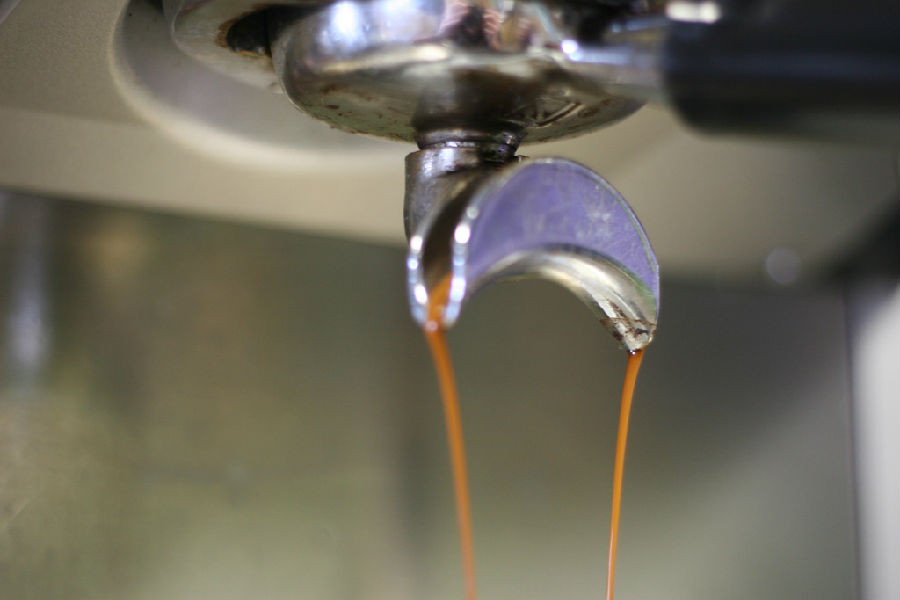
To create classic latte art, you’ll need an espresso shot with a 3mm thick, glossy crema, steamed milk heated to 60–80°C, and a pouring technique that balances flow and movement. Most baristas start with the hardest method: free-pouring directly into the espresso.
What Is Coffee Latte Art?
Coffee latte art refers to the visual designs—like hearts, leaves, or even animals—created on the surface of espresso-based drinks, primarily lattes and cappuccinos. Though it began as a performance skill in coffee shows in Europe and America, it has evolved into a key measure of drink quality and barista skill. Modern latte art isn’t just about looks; it reflects the milk’s texture, the espresso’s quality, and how well the two are integrated.
The Evolution of Latte Art
Early latte art focused solely on the visual impact of patterns. Over time, the craft expanded to include the texture and mouthfeel of the milk foam, as well as the integration (or ‘fusion’) of espresso and milk. Today, latte art is expected to deliver visual appeal, smooth texture, and balanced flavor—what the industry calls 'color, aroma, and taste in harmony.' This evolution has made latte art a staple in both professional training and global competitions.
Where Latte Art Is Showcased
Latte art is a highlight at major coffee events worldwide. The annual Millrock Latte Art Competition at the U.S. Coffee Fest draws top talent from around the globe. It’s also a required skill in the World Barista Championship (WBC), where competitors must demonstrate latte art during the cappuccino round. These platforms have cemented latte art’s role as both an artistic and technical benchmark in the specialty coffee industry.
Essential Tools for Latte Art
To practice latte art at home or in a café, you’ll need the right equipment:
- Espresso Machine: Must be a pump-driven machine capable of producing a proper espresso with a rich crema. Avoid using espresso shots that lack body or crema, as they won’t support good art.
- Milk: Always use whole milk. Skim or low-fat milk lacks the necessary fat content to produce velvety microfoam.
- Steam Wand or Milk Frother: Essential for creating microfoam. Steam wands tend to produce better microfoam than manual frothers. Many espresso machines now come with built-in steam wands, such as the De’Longhi BAR14 (single boiler) and EAM4000 (dual boiler).
- Pitcher (Pouring Pitcher): A stainless steel latte pitcher with a pointed spout is crucial. The temperature of the milk can be monitored by touching the pitcher—it should reach 60–80°C for optimal foam texture.
How to Steam Milk Properly
Creating the right milk foam is critical for latte art. Here’s how to do it two ways:
Method 1: Manual Foam with a Milk Frothing Pitcher
- Pour cold milk into the pitcher, filling it no more than halfway to allow for expansion.
- Heat the milk to around 60°C (do not exceed 70°C to protect proteins), and do not heat the lid or filter directly.
- For iced foam, cool the milk below 5°C without freezing it.
- Place the lid and filter on the pitcher, then rapidly pump the handle about 30 times to incorporate air into the milk’s surface. Only work the surface—not the bottom.
- Remove the lid and skim off any large bubbles with a spoon. The remaining smooth foam is ready for pouring.
Method 2: Steam Wand Foam with an Espresso Machine
- Before inserting the steam wand into the milk, release some initial steam to remove condensed water.
- Insert the steam wand diagonally just below the milk surface. Position it close enough to create a steady “paper tearing” sound—but not so deep that it splashes.
- Adjust the wand’s depth so it creates a whirlpool effect in the milk. Once sufficient foam is formed, submerge slightly more to continue heating.
- Turn off the steam when the milk reaches 60–70°C.
- Wipe the wand clean with a damp cloth and purge any remaining milk to prevent buildup.
Three Main Latte Art Methods
1. Free Pouring (Direct Pouring Technique)
This is the most challenging method. You pour steamed milk directly into espresso while controlling the flow and motion of the pitcher to create patterns like hearts and leaves. The technique relies on precise timing, a smooth pour, and a good fusion between espresso and milk. The patterns fall into two types: abstract line art (hearts and leaves) and representational designs (animals, plants). Success requires consistent practice, as the window to form the design is brief and the technique is unforgiving.
2. Drawing (Hand-Poured Graphics)
In this easier method, you draw on the coffee’s surface after the espresso and milk are already poured and lightly mixed. Using a toothpick or skewer, you apply cocoa powder or chocolate sauce to create geometric shapes or even detailed figures like animals. You can start with simple lines and build up to complex images. This approach gives you more control and is more forgiving than free pouring.
3. Stenciling (Sieve Graphics)
The simplest method uses stencils or sieves. After steaming the milk and letting it sit for around 30 seconds (to separate milk and foam), you pour some milk into the espresso to initiate blending, then spoon foam on top. Hold a stencil or sieve about 1 cm above the cup and dust it with cocoa powder, cinnamon, or sugar to create patterns. Alternatively, you can pour milk and foam directly onto the espresso without leaving a layer of foam, then use a stencil to dust a design. This technique allows for custom graphics and is great for beginners or for adding creative touches.
Frequently Asked Questions
What’s the ideal milk temperature for latte art?
The optimal milk temperature for latte art is between 60°C and 80°C. Going over 70°C can break down milk proteins, resulting in poor-quality foam that won’t integrate well with the espresso.
Do I need an expensive espresso machine to make latte art?
No, but you do need a pump-driven espresso machine that can produce a proper espresso with a rich, 3mm crema. Machines without strong steam wands may make foaming more difficult, but many entry-level machines now include decent steam functions.
What’s the best type of milk for latte art?
Whole milk is ideal because its higher fat content creates stable, velvety microfoam. Skim or low-fat milk doesn’t produce the same texture and is much harder to work with for detailed designs.
Which latte art method is easiest for beginners?
The stencil or sieve method is the easiest. It requires minimal skill and allows you to create clear designs by dusting cocoa or sugar through a patterned template over the coffee surface.
How do I know if my espresso shot is suitable for latte art?
A good espresso for latte art has a rich, golden-brown crema about 3mm thick. It should be extracted at roughly 9 bars of pressure, using around 20g of coffee to produce 40ml in 25–30 seconds. The shot should taste balanced—not too sour or bitter—with a smooth mouthfeel.
Recommended FrontStreet Beans for Latte Art
For latte art that also tastes great, FrontStreet Coffee’s Commercial Blend offers a well-balanced shot with bold crema and rich caramelized sweetness, making it ideal for milk drinks. Their Strawberry Candy Espresso includes notes of berries and floral tones with smooth milk compatibility. Both blends produce thick, glossy crema—key for successful latte art. Freshly roasted within 5 days · Orders placed before 17:00 ship the same day · Next-day delivery across most of Guangdong Province.
FrontStreet Coffee is a long-established specialty coffee roaster in Guangzhou China, selling freshly roasted beans from its own farm in Yunnan as well as dozens of carefully selected single-origin beans from around the world for both pour-over and espresso. The products deliver consistently excellent quality and great value, with shipping within 24 hours. Guangzhou's FrontStreet Coffee shop is recommended by many coffee lovers, and the beans are now available online at the Tmall 。
Important Notice :
前街咖啡 FrontStreet Coffee has moved to new addredd:
FrontStreet Coffee Address: 315,Donghua East Road,GuangZhou
Tel:020 38364473

