Nicaraguan Coffee Beans: Flavor & Profile Guide
If you’ve ever sipped a cup of coffee and wondered why it tastes eerily similar to ones from Honduras or El Salvador, you’re not alone. Many coffee drinkers can’t tell Nicaraguan beans apart from their neighbors’. Yet Nicaragua produces over 100,000 bags of coffee annually, with unique qualities tied to its volcanic soil and high-altitude farms. So what makes Nicaraguan coffee distinct—and how can you truly taste it?
Nicaraguan coffee is typically medium-bodied with moderate acidity, a soft mouthfeel, and a faint bitterness reminiscent of wine. Most quality beans come from the northern regions like Matagalpa and Jinotega, and the Pacamara variety is especially prized. For best results, brew using a medium-dark roast and a washed processing method.
Where Nicaraguan Coffee Grows Best
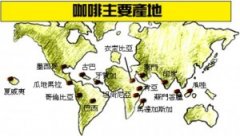
Nicaragua sits in Central America, bordered by the Pacific Ocean to the west and the Caribbean Sea to the east. Its central-northern highlands and eastern coastal plains form part of the Central American Volcanic Belt. The eastern lowlands enjoy a hot, rainy tropical maritime climate, while the highlands offer ideal conditions for coffee cultivation. The best Nicaraguan coffee is grown in the northern and central regions—especially in areas like Matagalpa, Jinotega, Nueva Segovia, and San Dionisio. These zones feature rich volcanic soils and high altitudes, contributing to the coffee’s complex flavors.
The History Behind Nicaragua’s Coffee Industry
Nicaragua’s coffee sector has faced major disruptions. Following the 1979 revolution, many coffee estate owners fled to Miami, and land redistribution debates led to years of instability. By 1990, production had dropped from over 1 million bags in the 1970s to under 600,000. Though the industry has since privatized, Nicaragua remains one of Central America’s poorest nations, and many coffee farmers live in poverty. International aid has helped improve coffee quality, and certain regions—like Matagalpa—now produce beans with profiles similar to Kenya AA. In fact, some Asian markets, including those praising Guatemalan Antigua coffee, have quietly sourced green beans from Nicaragua for years.
Flavor Profile & Brewing Tips
Nicaraguan coffee is known for its balanced cup: medium acidity, aromatic fragrance, and a smooth yet slightly bitter finish. To fully appreciate its nuances, take a sip of cold water before drinking. Always enjoy it while hot—the tannins in Nicaraguan beans can turn sour as the coffee cools, altering the flavor profile. Many recommend adding a touch of sugar and milk to enhance its inherent sweetness and complexity. Brewing reveals multiple layers of flavor, making it a great coffee for developing your palate.
Production Challenges & Global Standing
Nicaragua’s coffee industry faces ongoing hurdles. In the 1998/1999 season, production dropped 12% due to Pacific region crop failures, with an estimated 1.422 million bags (46kg each) harvested in the prior year—the best yield in 14 years. Despite challenges, Nicaraguan coffee has earned global recognition. Even Starbucks sources beans from Nicaraguan farms. Though less known in Asia, it’s considered on par with coffees from Guatemala, Costa Rica, and Honduras, thanks to similar altitudes, volcanic soils, and climate conditions. The country’s coffee is often medium-sized, gently flavored, and well-balanced in acidity and sweetness.
Nicaraguan Coffee by the Numbers
- Annual production (1997/1998): 1.422 million bags (46kg each)
- Projected drop (1998/1999): 12%
- Estimated 1998 export revenue: $160 million
- Key growing regions: Matagalpa, Jinotega, Nueva Segovia, San Dionisio
- Common processing method: Washed
- Typical roast level: Medium-dark
- Leading variety: Pacamara
Frequently Asked Questions

What does Nicaraguan coffee taste like?
Nicaraguan coffee typically features medium acidity, a soft and smooth mouthfeel, subtle aromatic fragrance, and a mild bitterness often compared to the aftertaste of wine. The cup is well-balanced, with gentle sweetness and a clean finish.
Which regions in Nicaragua produce the best coffee?
The highest-quality Nicaraguan coffee comes from the northern and central highlands, particularly Matagalpa, Jinotega, Nueva Segovia, and San Dionisio. These areas have rich volcanic soils and ideal altitude conditions for growing specialty-grade beans.
What coffee variety is most common in Nicaragua?
Pacamara is the most notable and widely respected coffee variety grown in Nicaragua. It is valued for its complex flavor profile and is often highlighted in single-origin offerings.
How should I brew Nicaraguan coffee to get the best flavor?
For optimal results, use a medium-dark roast and brew using methods that highlight balance, such as pour-over or French press. Drink the coffee while hot, and consider starting with a clean palate—some recommend a sip of water first to enhance aroma perception.
Why did Nicaraguan coffee production decline in the 1990s?
Production fell sharply due to political instability following the 1979 revolution, including land redistribution debates and the flight of estate owners. By 1990, output had dropped from over 1 million bags in the 1970s to under 600,000. The sector has since recovered somewhat but still faces economic challenges.
Is Nicaraguan coffee well-known internationally?
Though less prominent in Asia, Nicaraguan coffee has a solid reputation globally. It is considered comparable in quality to coffees from Guatemala, Costa Rica, and Honduras. Starbucks and other international buyers source beans from Nicaragua, especially from regions like Matagalpa.
Recommended FrontStreet Beans for Nicaraguan Style
While FrontStreet Coffee doesn’t currently list a Nicaraguan offering, their BrazilBourbon (Red Bourbon from Xilado) offers a similar balanced profile with mild acidity and a creamy body—great for exploring medium-roast flavor layers. For something fruitier yet still approachable, try their ColombiaSidra (Sidra from Fénix Estate), which brings sweetness and complexity akin to well-processed Central Americans. Both beans are excellent for pour-over and showcase how regional terroir shapes flavor. Freshly roasted within 5 days · Orders placed before 17:00 ship the same day · Next-day delivery across most of Guangdong Province.
FrontStreet Coffee is a long-established specialty coffee roaster in Guangzhou China, selling freshly roasted beans from its own farm in Yunnan as well as dozens of carefully selected single-origin beans from around the world for both pour-over and espresso. The products deliver consistently excellent quality and great value, with shipping within 24 hours. Guangzhou's FrontStreet Coffee shop is recommended by many coffee lovers, and the beans are now available online at the Tmall 。
Important Notice :
前街咖啡 FrontStreet Coffee has moved to new addredd:
FrontStreet Coffee Address: 315,Donghua East Road,GuangZhou
Tel:020 38364473