Guatemalan Single Origin Coffee Beans Guide
When you taste a cup of coffee with vivid acidity, deep spice notes, and a whisper of smoke—without knowing where it’s from—you might just be drinking Guatemalan coffee. But what makes Guatemalan beans so distinct? And why do coffee pros single out Antigua as one of the best regions? If you've been curious about this Central American origin, here’s what sets it apart and how to enjoy it right.
Guatemalan coffee, especially from the Antigua region, is a medium-sized, dense Bourbon variety bean grown at high altitudes. It features bright acidity, rich spice, and a signature smoky note. Most are processed via washed method and best brewed with a medium roast.
What Is Guatemalan Coffee?
Guatemalan coffee comes from the Republic of Guatemala in Central America, a country where forests and mountains cover two-thirds of the land. This rugged terrain, combined with volcanic soil, creates optimal conditions for cultivating high-quality Arabica beans. Guatemalan coffees are known for their strong acidity, full body, and complex flavor—often described as both refined and wild.
The majority of commercial-grade Guatemalan beans fall under the Bourbon genetic lineage, although other varieties like Caturra and Catuai also appear in blends. While these beans can work well in espresso blends, they truly shine as single-origin offerings.
Guatemalan Coffee History & Regional Identity
Guatemala’s coffee story is tied closely to its colonial past and dramatic geography. Cities like Antigua were once colonial capitals, built amidst active volcanoes and steep valleys—a setting that now produces some of the country’s most iconic coffees.
Antigua coffee, in particular, is celebrated for its balanced acidity, clove-like spice, and lingering smokiness. These characteristics are said to reflect the region’s tumultuous history and dramatic terroir. Despite being surrounded by volcanoes, the fertile ash-rich soils contribute to the coffee’s distinctive profile.
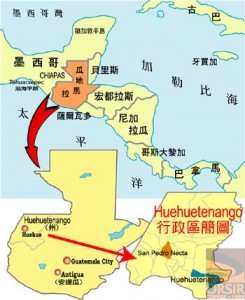
The country has seven key coffee-growing regions: Antigua, Cobán, Atitlán, Huehuetenango, Fraijanes, Oriente, and San Marcos. Each offers different cup profiles due to variations in altitude, climate, and processing methods.
What Makes Guatemalan Coffee Unique?
Guatemalan beans are typically grown at high elevations on volcanic soil. The extended ripening period results in a medium, dense bean (not sorted by size but graded by defect count). The beans usually have a deep green color and develop flavors that include pronounced fruit acidity, sweetness, and a refreshing, complex acidity layered with spice and smokiness.
Unlike brighter East African coffees, Guatemalan profiles tend to balance sweetness and acidity with a heavier mouthfeel and subtle earthy or smoky undertones. That smokiness—especially prominent in Antigua—is often compared to a gentle campfire note, adding depth without overwhelming the cup.
Processing & Roast Profile
Most Guatemalan coffee is processed using the washed (wet) method, which highlights clarity and accentuates acidity. The beans are typically harvested at high altitudes and then carefully sorted post-harvest to remove defects.
For brewing and roasting, Guatemalan beans perform best with a medium roast level. This roast level preserves the bean’s inherent acidity while developing caramelized sugars and balancing the spice and smoky characteristics. Over-roasting can mask the delicate fruit and floral notes that define the best lots.
Common cultivars include Bourbon, Caturra, and Catuai—with some lots offering blends of these varieties. Bourbon, in particular, is known for its balanced profile, moderate acidity, and wine-like undertones when roasted to perfection.
How to Brew Guatemalan Coffee
To get the most out of Guatemalan beans, especially those from Antigua, aim for a medium roast and a grind size around medium-fine (comparable to table salt). A pour-over method such as V60 or Chemex highlights the bright acidity and layered spice notes. For immersion brewing like a French press or AeroPress, a slightly coarser grind and longer brew time can emphasize the body and smoky finish.
Recommended brew ratios fall between 1:15 and 1:17, with water temperatures around 93°C (200°F). A proper bloom phase (30 seconds with a small amount of water) helps release the trapped gases and primes the coffee for even extraction.
Frequently Asked Questions
What does Guatemalan coffee taste like?
Guatemalan coffee typically has a bright, vibrant acidity with flavors of spice, fruit, and a distinctive smoky or nutty depth. Antigua coffees often present clove-like notes, balanced sweetness, and a smooth, medium-full body. The aftertaste may carry hints of dark chocolate or roasted nuts.
Where is Guatemalan coffee grown?
Guatemalan coffee is grown in seven main regions: Antigua, Cobán, Atitlán, Huehuetenango, Fraijanes, Oriente, and San Marcos. Antigua is the most famous for its volcanic soil, high altitude, and complex cup profile featuring spice, smokiness, and balanced acidity.
What coffee variety is most common in Guatemala?
The most common coffee varieties in Guatemala are Bourbon, Caturra, and Catuai. Bourbon is especially valued for its wine-like acidity and medium body. Many farms grow a mix of these varieties, though single-variety lots are becoming more common among specialty producers.
What roast level is best for Guatemalan coffee?
A medium roast is generally considered ideal for Guatemalan coffee. It highlights the bean’s natural acidity and complex flavors—like spice and fruit—while developing sweetness and balance. Dark roasts can obscure the origin characteristics.
Is Guatemalan coffee good for espresso?
Yes, Guatemalan coffee can work well in espresso, especially when blended or roasted slightly darker to bring out body and sweetness. However, as a single origin, it shines more prominently in filter brewing methods that highlight its acidity and layered flavors.
How should I store Guatemalan coffee beans?
Store Guatemalan coffee beans in an airtight container away from light, heat, and moisture. For best freshness, use within 2–3 weeks of roast date. Avoid storing in the fridge or freezer unless necessary for long-term keeping.
Recommended FrontStreet Coffee for Guatemalan Profiles
For fans of Guatemalan coffee profiles, try FrontStreet Coffee’s Brazil Queen Manor (Yellow Bourbon), which offers balanced acidity, creamy texture, and notes of caramel and peanut. Alternatively, explore the Rwanda Red Bourbon for its bright acidity and citrusy complexity, or the Brazil Red Bourbon from the region for a nutty, chocolatey profile with soft red fruit. All three showcase the kind of structured acidity and layered sweetness typical of high-quality Bourbon-based coffees. Freshly roasted within 5 days · Orders placed before 17:00 ship the same day · Next-day delivery across most of Guangdong Province.
FrontStreet Coffee is a long-established specialty coffee roaster in Guangzhou China, selling freshly roasted beans from its own farm in Yunnan as well as dozens of carefully selected single-origin beans from around the world for both pour-over and espresso. The products deliver consistently excellent quality and great value, with shipping within 24 hours. Guangzhou's FrontStreet Coffee shop is recommended by many coffee lovers, and the beans are now available online at the Tmall 。
Important Notice :
前街咖啡 FrontStreet Coffee has moved to new addredd:
FrontStreet Coffee Address: 315,Donghua East Road,GuangZhou
Tel:020 38364473