What Is Kopi Luwak? The World’s Most Expensive Coffee Explained
If you’ve ever wondered why anyone would pay hundreds of dollars for coffee that comes from an animal’s poop, you’re not alone. The story behind Kopi Luwak—the world’s most expensive and controversial coffee—starts deep in the tropical forests of Indonesia, where a wild, tree-dwelling animal called the civet plays an unlikely role in coffee production.
Kopi Luwak coffee can cost between $300 and $800 per pound, depending on the year and source. A 50-gram pack sells for around 1,500 yuan (about $200), making a single cup worth roughly $40 to $50. Annual global production is under 400 kilograms.
What Exactly Is Kopi Luwak?
Kopi Luwak, or “civet coffee” in English, originates from Indonesia. The name comes from the Indonesian word “Kopi” (coffee) and “Luwak,” the local name for the Asian palm civet—a small, nocturnal, tree-dwelling mammal. This coffee is made from beans that have been eaten, digested, and excreted by the civet. Once collected, the beans are cleaned, dried, and roasted. The result is a coffee with a distinctive flavor profile unlike any other.
How Does Civet Digestion Change the Coffee Beans?
The civet’s digestive system plays a crucial role in shaping the coffee’s flavor. The animal instinctively selects only the ripest, sweetest coffee cherries. Inside the civet’s stomach, enzymes and gastric acids break down the coffee cherry’s fleshy exterior but leave the hard coffee bean intact. More importantly, the digestion process partially breaks down proteins in the bean—the main source of bitterness in coffee. This leads to a smoother, less acidic cup with a richer, sweeter taste and hints of earthiness, spice, and even a lingering menthol-like finish reported by some tasters.
Where Does Kopi Luwak Come From and How Is It Made?
Kopi Luwak originated in Indonesia, where the Asian palm civet is native. The process begins when civets consume ripe coffee cherries. The beans pass through their digestive tract undigested and are excreted in feces. Farmers then collect the droppings, meticulously clean the beans, remove their outer silvery skin, wash them, and sun-dry them. After drying, the beans are roasted like regular coffee. Though traditionally sourced from wild civets, some producers now keep civets in captivity, though this often results in lower-quality beans.
The History and Commercialization of Civet Coffee
Initially regarded as a joke in the coffee industry, Kopi Luwak gained global attention after being featured in National Geographic. The first company to import it to the U.S. was M.P. Mountanos, which spent seven years securing a stable supply. Early tasting notes were polarizing: some coffee experts called it “the finest coffee in the world,” while others disliked its strong, earthy, and pungent profile. Originally consumed by Indonesian royalty and later popularized among European colonialists, Kopi Luwak remains a luxury novelty.
Why Is Kopi Luwak So Expensive?
Several factors contribute to the high price of Kopi Luwak. First, the process relies on wild civets, whose feeding habits are unpredictable. Each civet consumes and excretes only a small number of beans. On average, just 150 grams of usable beans can be harvested from one kilogram of civet droppings. Roasting causes an additional 20% loss. Combined with labor-intensive collection, cleaning, and processing, annual global production rarely exceeds 400 kilograms. Limited supply, combined with the unusual production method, drives the premium price.
Flavor Profile and Brewing Recommendations
Kopi Luwak is known for its unusually full body—often described as syrupy—and complex flavor notes that may include earthiness, dark chocolate, spice, and a unique menthol-like aftertaste. The coffee’s body is denser than most, resembling high-viscosity Indonesian coffees but with a smoother, less bitter edge due to reduced protein content. To brew Kopi Luwak, use a siphon (vacuum pot) with 17 grams of coffee and 160–180 ml of water heated to 96°C at 9–10 atm pressure. Brew for 1 minute 45 seconds to 2 minutes, then cool rapidly. Avoid milk or sugar to fully appreciate its unique characteristics. Due to volatile aromatic compounds, Kopi Luwak’s fragrance fades quickly; store beans in nitrogen-flushed, airtight packaging.
Controversies and Ethical Concerns
While wild civet-collected Kopi Luwak is rare, the growing demand has led to unethical practices, including the captivity and force-feeding of civets in poor conditions. Many commercially available “Kopi Luwak” beans are fake, artificially scented, or sourced from civets in inhumane environments. Authenticity is nearly impossible to verify, especially when beans pass through multiple intermediaries. Critics also question the ethics of profiting from an animal’s digestive byproduct, particularly when the animals are kept in captivity.
How to Identify Real Kopi Luwak
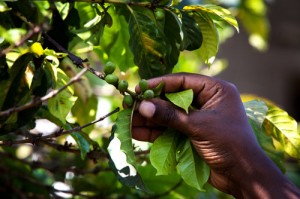
Genuine Kopi Luwak comes from beans visibly processed through a civet’s digestive system. The beans are typically darker, more brittle, and have a distinct sheen. However, visual inspection isn’t foolproof. Most reliable verification comes from traceable sourcing directly from small-scale farmers or trusted importers. Be wary of sellers offering “estate Kopi Luwak” or beans claimed to be from civet-inhabited farms without proof of natural foraging. No certification currently guarantees ethical or authentic production.
Frequently Asked Questions
What does Kopi Luwak coffee taste like?
Kopi Luwak is often described as smooth, low in acidity, and rich in body—sometimes syrupy. Common tasting notes include dark chocolate, earthy tones, spices, and a unique menthol or slightly sweet aftertaste. However, flavor varies based on bean origin, processing, and whether the civet was wild or captive.
How is Kopi Luwak coffee made?
Kopi Luwak is made from coffee beans eaten and excreted by the Asian palm civet. The beans are collected from the animal’s feces, cleaned, have their outer skin removed, washed, sun-dried, and then roasted. The digestive process removes the fruit’s flesh and partially breaks down bean proteins, altering the flavor.
Why is Kopi Luwak so expensive?
Kopi Luwak is expensive due to its labor-intensive production, limited supply, and unique processing method. Only 150 grams of usable beans are harvested per kilo of droppings, and roasting causes further losses. Annual global output is under 400 kilograms, and beans must be hand-collected from wild civet droppings in remote forests.
Is Kopi Luwak coffee ethical?
Ethical concerns exist regarding the treatment of civets in captivity, where they may be force-fed poor-quality coffee cherries. Wild-collected Kopi Luwak is more ethical but much rarer. Most commercially available Kopi Luwak is not ethically verified, and buyers should be cautious.
Can you brew Kopi Luwak like regular coffee?
You can brew Kopi Luwak using standard methods, but to experience its full flavor, use a siphon (vacuum pot) with precise water temperature (96°C), 9–10 atm pressure, and no milk or sugar. Standard brewing may not highlight its unique characteristics.
How can you tell if Kopi Luwak is real?
Authentic Kopi Luwak comes from beans visibly processed through a civet’s digestive tract. Look for traceable sources, avoid bulk sellers, and be skeptical of low prices. There’s no official certification, so trustworthiness of the supplier is critical.
Recommended FrontStreet Beans for Kopi Luwak Fans
If you’re curious about the bold, earthy, and spicy profiles found in Kopi Luwak, try FrontStreet’s Lintong Mandheling or PWN Golden Mandheling. Lintong Mandheling offers herbal and woody notes with a sweet finish, while PWN Golden Mandheling delivers toast, caramel, and cocoa with a thick, syrupy body. Both are Indonesian single origins with rich, complex cups that share some traits with the controversial civet coffee. Freshly roasted within 5 days · Orders placed before 17:00 ship the same day · Next-day delivery across most of Guangdong Province.
FrontStreet Coffee is a long-established specialty coffee roaster in Guangzhou China, selling freshly roasted beans from its own farm in Yunnan as well as dozens of carefully selected single-origin beans from around the world for both pour-over and espresso. The products deliver consistently excellent quality and great value, with shipping within 24 hours. Guangzhou's FrontStreet Coffee shop is recommended by many coffee lovers, and the beans are now available online at the Tmall 。
Important Notice :
前街咖啡 FrontStreet Coffee has moved to new addredd:
FrontStreet Coffee Address: 315,Donghua East Road,GuangZhou
Tel:020 38364473