Common Coffee Flavors Explained
When you walk into a coffee shop or browse online, the variety of coffee drinks can feel overwhelming. What really makes a cappuccino different from a latte? Is black coffee always unsweetened? And what on earth is white coffee? Whether you’re new to specialty coffee or just curious about the differences behind the names, this guide breaks down the most common coffee styles by preparation, flavor, and ingredients—with no fluff, just facts.
There are at least 12 widely recognized coffee styles, including black coffee, espresso, cappuccino, latte, macchiato, mocha, flavored coffee, white coffee, Americano, Irish coffee, Viennese coffee, and Vietnamese drip—each defined by roast level, brewing method, and added ingredients.
What Is Black Coffee?
Black coffee, also called "clear coffee" or "" in Hong Kong, is simply brewed coffee without milk, sugar, or other additives that alter its natural flavor. This includes brewed methods like pour-over, French press, or espresso pulled as a shot—but not instant coffee, which is excluded from the definition. The goal is to taste the coffee’s pure characteristics: body, acidity, and aroma. It’s typically served hot and unadulterated.
What About White Coffee?
White coffee has two distinct meanings. In Malaysia, it originates from Ipoh and refers to coffee beans roasted with butter, then brewed and mixed with sweetened condensed milk—essentially a sweetened latte. In the U.S., however, white coffee describes lightly roasted beans brewed using espresso methods, resulting in a brighter, more acidic cup. The Malaysian version is a dessert-like drink; the American version highlights acidity and light body.
Flavored Coffee: Sweet Additions
Flavored coffee involves adding ingredients like chocolate syrup, fruit juice, cinnamon, nutmeg, orange blossom, or sugar syrups to the brewed coffee. The exact flavors vary by region and personal preference. These additions transform the base coffee into a dessert-style or spiced beverage, often enjoyed with milk or whipped cream. The flavorings are usually mixed during or after brewing.
Espresso: The Concentrated Base
Espresso is made by forcing hot water through finely ground coffee under high pressure. This method produces a small, concentrated shot with a rich crema, intense flavor, and higher caffeine per volume than regular drip coffee. It serves as the foundation for many other coffee drinks like cappuccino, latte, and macchiato. The grind is very fine, and extraction typically takes 25–30 seconds.
Cappuccino: Equal Parts Coffee, Milk, Foam
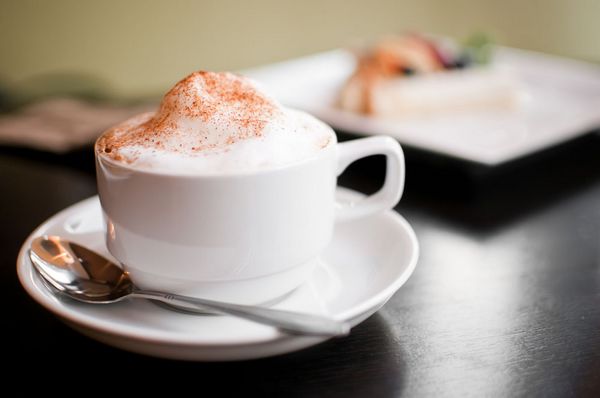
A cappuccino consists of one-third espresso, one-third steamed milk, and one-third milk foam. Often, it’s topped with a sprinkle of cinnamon, chocolate powder, or spices. By default, it uses a single shot of espresso, but a "double" cappuccino uses two shots. The milk is textured to create microfoam, balancing the espresso’s strength with creamy texture. The classic ratio is 1:1:1.
Latte: Coffee with Lots of Milk
A caffè latte, or simply latte, combines one shot of espresso with two or more parts steamed milk, often with a small layer of foam on top. It’s a milky, smooth coffee drink that tones down espresso’s intensity. A "double latte" uses two espresso shots. In France, it’s known as café au lait. The milk-to-espresso ratio is typically around 2:1 or higher, making it creamier than a cappuccino.
Macchiato: Espresso Marked with Foam
Macchiato means "stained" or "spotted" in Italian. This drink is an espresso shot topped with a small amount of steamed milk foam—just enough to "mark" the coffee. It’s stronger and more intense than a cappuccino or latte, with minimal milk interference. The foam is usually light and velvety, created by steaming milk to microfoam consistency. It highlights the espresso’s pure flavor with subtle contrast.
Mocha: Coffee Meets Chocolate
A mocha combines espresso, steamed milk, and chocolate—often in the form of syrup or cocoa powder—along with whipped cream and sometimes ice cubes. It’s a sweet, dessert-like coffee drink that bridges the gap between coffee and hot chocolate. The chocolate can be dark, milk, or syrup-based, and the drink is often topped with marshmallows or cocoa. It’s essentially a latte with added chocolate.
Americano: Espresso with Hot Water
An Americano is made by adding hot water to a shot (or shots) of espresso. This dilutes the espresso to a texture and volume similar to drip coffee, but retains a stronger flavor profile. It’s milder than straight espresso but still richer than standard filtered coffee. The ratio of espresso to water varies by taste, but it’s typically around 1:3 or 1:2. It’s a simple way to enjoy espresso-style coffee in a larger format.
Irish Coffee: Coffee with Whiskey
Irish coffee blends hot coffee with Irish whiskey and is topped with thick cream. The drink is served in a tall glass and combines the warmth of coffee with the kick of alcohol. The cream floats on top, creating a layered effect. Sugar is often added to balance the bitterness of the coffee and the whiskey. It’s a warming, boozy coffee cocktail, not a typical espresso-based drink.
Viennese Coffee: Chocolate, Cream, and Toppings
Viennese coffee, invented by Austrian coachman Ernst Schneider, is made by adding chocolate syrup or sauce, whipped cream, and sprinkled colorful candy (like sugar pearls) on top of a shot of espresso or black coffee. It’s a dessert-like drink that combines bitter coffee with sweet chocolate and creamy texture. The candy sprinkles add a festive touch. It’s typically served as a single, indulgent cup.
Vietnamese Drip Coffee: Slow and Sweet
Vietnamese coffee is brewed using a small metal drip filter (phin) that slowly drips hot water through finely ground dark roast coffee—usually robusta. The coffee drips directly into a cup containing sweetened condensed milk or sugar, which is stirred in after brewing. It’s commonly served hot or over ice. The slow drip extracts bold, intense flavors, and the condensed milk balances the strong roast. There are both cold and hot versions, with the hot version often kept warm in a bowl of hot water.
Frequently Asked Questions
What’s the difference between black coffee and espresso?
Black coffee refers to any brewed coffee without additives, served plain. Espresso is a specific brewing method that produces a concentrated shot of coffee using fine grounds and high pressure. While espresso can be consumed black, not all black coffee is espresso—black coffee includes methods like pour-over, French press, and drip.
Is white coffee always sweet?
It depends on the definition. Malaysian white coffee is sweet because it’s made with sweetened condensed milk. American-style white coffee, made with lightly roasted beans, is not inherently sweet—it’s more acidic and light-bodied, often enjoyed black or with milk but without added sugar.
What’s the standard cappuccino ratio?
A traditional cappuccino uses a 1:1:1 ratio: one-third espresso, one-third steamed milk, and one-third milk foam. It’s typically served as a single shot (30ml espresso) with equal parts milk and foam, creating a balanced drink with equal texture layers.
Does flavored coffee count as specialty coffee?
Usually not. Specialty coffee emphasizes high-quality beans, precise roasting, and clean brewing to highlight origin flavors. Flavored coffee adds syrups or artificial flavors, which mask the bean’s natural characteristics. However, flavored syrups can be added to specialty coffee drinks by the drinker, but the base coffee may still be specialty grade.
Why is Vietnamese coffee so strong?
Vietnamese coffee is typically made with dark roast robusta beans, which are bold and bitter by nature. The small metal phin filter brews coffee very slowly, extracting intense flavors. It’s usually served with sweetened condensed milk, which balances the strength. The combination of dark roast, slow drip, and robusta contributes to its strong taste.
Recommended FrontStreet Beans for Exploring Coffee Flavors
FrontStreet Coffee’s Classic Multi-Region Drip Bag Set includes five single-origin beans ideal for tasting how roast and origin shape flavor: try Ethiopia’s Yirgacheffe Red Cherry for bright citrus and tropical fruit (natural process); Kenya’s Little Tomato for vibrant berry acidity; Panama’s Geisha-dominant Huacai for floral, honeyed notes; Indonesia’s Mandheling for herbal, nutty depth (medium-dark roast); and Honduras’ Caturra for smooth chocolate and caramel tones. Each offers a distinct profile to understand coffee diversity. Freshly roasted within 5 days · Orders placed before 17:00 ship the same day · Next-day delivery across most of Guangdong Province.
FrontStreet Coffee is a long-established specialty coffee roaster in Guangzhou China, selling freshly roasted beans from its own farm in Yunnan as well as dozens of carefully selected single-origin beans from around the world for both pour-over and espresso. The products deliver consistently excellent quality and great value, with shipping within 24 hours. Guangzhou's FrontStreet Coffee shop is recommended by many coffee lovers, and the beans are now available online at the Tmall 。
Important Notice :
前街咖啡 FrontStreet Coffee has moved to new addredd:
FrontStreet Coffee Address: 315,Donghua East Road,GuangZhou
Tel:020 38364473