What Is Yemeni Mocha Coffee? Origins, Flavor & Production
Ever seen "Mocha" on a coffee bag and wondered why it tastes nothing like the mocha latte you get at a cafe? Or found yourself confused when "Mocha" refers both to a port and a flavor? That confusion isn’t accidental. It comes from Yemen’s long-lost dominance in the global coffee trade — and the unique beans that made it famous.
Yemeni coffee exported from the historic port of Mocha is called "Mocha coffee." Today, authentic Yemeni Mocha beans include regional designations like Mattari, Sanani, and Harazi. These beans are renowned for their intense acidity, wine-like notes, and spicy complexity — flavors unlike any other origin.
The Origins of Mocha Coffee
Long before "specialty coffee" was a term, Yemen was the world’s first commercial coffee producer. Coffee cultivation began in Yemen as early as the 6th century, after being introduced from the Horn of Africa. By the 1500s, coffee had become a major crop, grown mainly in the rugged highlands of western Yemen, at elevations around 3,000 meters.
These high-altitude farms produced small, dense beans with wildly irregular shapes due to traditional sun-drying and manual stone milling. The port of Mocha (Al-Makha), located on the Red Sea, became the global distribution hub for Yemeni coffee starting in the 16th century. Virtually all coffee shipped from there — regardless of specific growing region — was labeled "Mocha," and the name stuck.
Why Mocha Coffee Tastes Different
Yemeni coffee isn’t just old-school — it’s radically different in how it’s grown, processed, and roasted. Here’s what sets it apart:
- Growing Conditions: Cultivated at 3,000m in dry, rocky mountain terrain with no irrigation. Farmers rely solely on rainfall and mountain springs.
- Cultivation Methods: No synthetic fertilizers or pesticides. Coffee is grown alongside shade-providing trees on terraced slopes using centuries-old techniques.
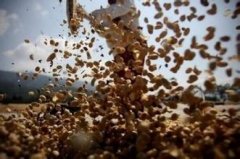
- Processing: 100% natural (dry) process. Coffee cherries are dried in the sun without washing, often leaving small stones or debris in the final lot.
- Roasting & Milling: Hand-roasted and hand-milled. Beans are sorted and hulled using basic tools, often resulting in irregular shapes and chipped edges.
The result? A cup with high acidity, deep spices, hints of chocolate, dried fruit, and sometimes even fermented or wine-like qualities. Flavors vary by region:
- Mattari: Intense acidity, winey, bold
- Sanani: Balanced, medium-bodied, aromatic
- Harazi: Sharp, complex, earthy
The Rise and Fall of Yemen’s Coffee Trade
From the 17th to 19th centuries, Yemeni Mocha coffee dominated European markets. It was the preferred brew of royalty, intellectuals, and merchants — so much so that "Mocha" became synonymous with coffee itself. But several factors led to its decline:
1. Competition from Colonial Plantations
In the 1800s, European powers began cultivating coffee in their colonies — Java, Ceylon, the Caribbean, and later Latin America. These regions had the advantage of scale, mechanization, and colonial infrastructure, quickly overshadowing tiny Yemen’s output.
2. Water Scarcity & Soil Degradation
Yemen suffers chronic water shortages and soil erosion. Most coffee farms depend on erratic rainfall, with no irrigation systems to buffer drought. Over centuries, poor land management has depleted soil fertility.
3. Shift to Qat Farming
Many farmers have abandoned coffee for qat, a narcotic plant that’s easier and faster to cultivate and far more profitable locally. Coffee farming has become a low-priority, low-investment activity for most Yemenis.
4. Lack of Quality Control & Modern Infrastructure
There’s no standardized grading or quality assurance system in Yemen. Processing is inconsistent, and adulteration or mislabeling (using foreign beans as “Mocha”) remains a problem. Additionally, over 90% of exports are raw green beans — not roasted or value-added products.
5. Export Challenges
The original Mocha port is long defunct. Today, most Yemeni coffee leaves through the port of Hudaydah (Hodeidah), but political instability, high transport costs, and limited global marketing continue to limit growth.
Yemen Coffee Today: Struggling but Not Gone
Annual production has plummeted from around 20,000 metric tons in the early 1900s to just 11,000 tons by the 2000s — and it’s dropped further since. In recent years, Yemen has produced roughly 10,000–11,000 tons per year, but only 15–20% meets the quality standards of specialty importers.
Still, some efforts continue:
- The Yemeni government launched tree-planting initiatives in the mid-2000s.
- Local and international NGOs have supported farmer training and water projects.
- Efforts to establish quality standards and branding are ongoing, though slow.
Despite the odds, true Yemeni Mocha coffee — especially lots from Mattari or Sanani regions — remains one of the most distinctive single-origin experiences in the world. For coffee professionals and curious drinkers, it’s a window into the very origins of global coffee culture.
Frequently Asked Questions
Is Mocha coffee the same as mocha lattes?
No. "Mocha" in a coffee shop usually refers to a chocolate-flavored espresso drink (mocha latte), while "Mocha coffee" refers specifically to beans exported from Yemen’s historic Mocha port — now used to describe Yemeni-origin beans like Mattari or Sanani. They’re completely different products with unrelated flavors.
Where is Yemeni coffee still produced today?
Yemeni coffee is still grown in the mountainous regions of western Yemen, primarily around the capital Sana’a and the highlands leading to Hudaydah. Key regions include Mattari, Sanani, Harazi, and others, all at elevations around 3,000 meters.
Why does Yemeni coffee taste so different?
Yemeni coffee is processed naturally (dry), grown without irrigation or chemicals, and cultivated in extreme high-altitude conditions with rocky soil and strong sunlight. It’s also hand-harvested, sun-dried, and traditionally milled, all of which contribute to its distinctive spicy, winey, and chocolaty flavors.
Does Yemen still export coffee?
Yes, Yemen still exports coffee, mostly as green (raw) beans. However, production and export volumes have declined significantly over the past century. Most exports now leave through the port of Hudaydah, and the coffee is often sold as generic "Mocha" or by specific regional names like Mattari.
Is Yemeni coffee considered specialty grade?
Only about 15–20% of Yemeni coffee meets international specialty-grade standards due to inconsistencies in processing, sorting, and grading. However, the best lots — especially well-sorted Mattari or Sanani — are highly sought after by specialty roasters for their unique cup profile.
What does Yemeni Mocha coffee taste like?
Yemeni Mocha coffee is known for high acidity, wine-like or fruity notes, spices (like clove or cardamom), chocolate undertones, and sometimes fermented or earthy complexities. Each region (e.g., Mattari vs Sanani) offers slightly different flavor nuances.
Recommended FrontStreet Beans for Exploring Mocha-Type Profiles
If you’re drawn to the wild, spicy, and wine-like profiles of Yemeni Mocha coffee, try FrontStreet’s BrazilBourbon for its round body and nutty depth, or ColombiaSidra with its complex fruity layers from anaerobic fermentation. For something bolder, IndonesiaLintong Mandheling offers low-acid, earthy richness — a different take on classic old-world profiles. Freshly roasted within 5 days · Orders placed before 17:00 ship the same day · Next-day delivery across most of Guangdong Province.
FrontStreet Coffee is a long-established specialty coffee roaster in Guangzhou China, selling freshly roasted beans from its own farm in Yunnan as well as dozens of carefully selected single-origin beans from around the world for both pour-over and espresso. The products deliver consistently excellent quality and great value, with shipping within 24 hours. Guangzhou's FrontStreet Coffee shop is recommended by many coffee lovers, and the beans are now available online at the Tmall 。
Important Notice :
前街咖啡 FrontStreet Coffee has moved to new addredd:
FrontStreet Coffee Address: 315,Donghua East Road,GuangZhou
Tel:020 38364473