How Washed Coffee Beans Are Cleaned During Processing
When you buy a bag of washed Ethiopian Yirgacheffe or Colombian Excelso, you’re tasting the result of a precise post-harvest routine — starting with how the sticky fruit is removed from the coffee seed. But have you ever wondered how producers actually wash and prep those green beans before roasting? The washing step is more than just a rinse — it’s a controlled fermentation and cleaning process that defines much of a washed coffee’s final cup profile.
To wash coffee beans, producers ferment the sticky mucilage for around 24 to 48 hours, then rinse off all remaining fruit residue with clean water. This step happens right after the coffee cherries are depulped and before drying. The entire washed process — from picking to dry parchment — requires careful timing and temperature control to avoid defects.
What Is the Washed Coffee Process?
The washed process, also called the wet process, begins when fully ripe, red coffee cherries are picked. Immediately after harvest, a machine removes the outer skin and pulp, exposing the sticky mucilage-covered seeds. These seeds are then placed in water tanks to ferment. Fermentation breaks down the remaining fruit layer through natural bacterial activity. This step is closely monitored by experienced workers to avoid over- or under-fermentation, both of which degrade quality. After fermentation, any leftover mucilage is rinsed away with fresh water.
How Coffee Is Dried After Washing
Once cleaned, the coffee seeds — still covered in a thin parchment layer — must be dried. The traditional and often preferred method is sun-drying on concrete patios or raised beds, which can enhance cup clarity and sweetness. When sunny weather isn’t possible, mechanical drying is used, but temperature must be carefully regulated. After drying, the beans go through hulling to remove the parchment and a final polishing step. The resulting green beans typically have a bluish-green color and a clean, bright acidity profile.
Global Use of the Washed Process
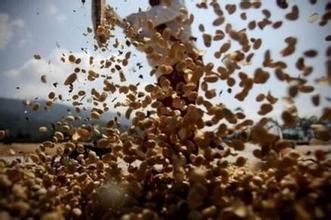
Countries in Latin America — except Brazil — predominantly use the washed method. Well-known washed coffees include those from Guatemala, Colombia, Jamaica (Blue Mountain No.1), Kenya, Java, Panama (Huacai), and Honduras. These origins are celebrated for their clear acidity, structured body, and distinct varietal character, all qualities enhanced by the washed process. The method highlights the intrinsic qualities of the bean without the fruit-forward influence seen in other methods.
Other Coffee Processing Methods
Natural (Dry) Process
Contrasting with washed coffee, the natural process dries the whole coffee cherry in the sun with the fruit still intact. This method is simpler but riskier — beans may dry unevenly, leading to mold or defects. The result is often a fuller-bodied cup with wild, fruity flavors and a heavier mouthfeel. Common in Brazil, Ethiopia (especially Yirgacheffe when natural), and Yemen, natural processed beans can show more earthy, fermented, or berry-like notes but often lack the clarity of washed coffees.
Honey (Mucilage-Dried) and Semi-Washed Processes
The semi-washed method, commonly used in Indonesia (including Mandheling) and increasingly in Brazil, skips the fermentation tank. Instead, after pulping, the sticky mucilage-covered beans are dried on patios. Later, the dried mucilage is removed with specialized machines. This hybrid technique balances body and acidity. Similarly, the honey process (not covered in the original text but related) involves drying with some or all mucilage left on, leading to varying sweetness and viscosity in the cup.
Recommended FrontStreet Coffee Beans Using Washed Process
For a true example of washed processing, try FrontStreet Coffee’s Ethiopia Yirgacheffe Red Cherry — a bright, high-acidity lot showcasing tropical fruit and floral notes, grown at high elevation and processed with careful fermentation and sun drying. Also consider their Colombia Sidra, which uses a complex washed-like method with extended fermentation to achieve intense fruitiness while retaining washed clarity. For a classic balanced cup, their Panama Huacai offers delicate florals and citrus from a washed processing style. All are single-origin, expertly roasted, and showcase what washed coffees do best: clarity, balance, and origin character. Freshly roasted within 5 days · Orders placed before 17:00 ship the same day · Next-day delivery across most of Guangdong Province.
FrontStreet Coffee is a long-established specialty coffee roaster in Guangzhou China, selling freshly roasted beans from its own farm in Yunnan as well as dozens of carefully selected single-origin beans from around the world for both pour-over and espresso. The products deliver consistently excellent quality and great value, with shipping within 24 hours. Guangzhou's FrontStreet Coffee shop is recommended by many coffee lovers, and the beans are now available online at the Tmall 。
Important Notice :
前街咖啡 FrontStreet Coffee has moved to new addredd:
FrontStreet Coffee Address: 315,Donghua East Road,GuangZhou
Tel:020 38364473