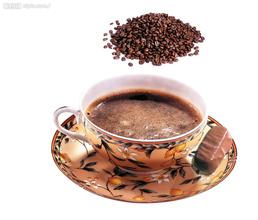
The Kopi Luwak Initiative began to sell well in the American market.
In the eyes of coffee lovers around the world, the Kopi Luwak is novel and very expensive. Kopi Luwak has become popular in the US market because of an article in the New York Times, the Huffington Post reported.
According to the report, the source of Kopi Luwak's raw materials is very strange. The Indonesian coconut cat mainly feeds on coffee beans. After fermentation in its stomach, the bitter taste of the coffee will be reduced. Because the coffee beans cannot be digested, they will be excreted and become the raw material of Kopi Luwak after washing and baking.
Many coffee-loving Americans have come to realize that "Kopi Luwak" is incredibly rich and that its thickness, like the taste of chocolate, can stay on the tongue for a long time, so the demand for "Kopi Luwak" in the US market has soared. However, this has led to a decline in its quality, because most of the "cat shit coffee beans" sold on the market are produced by cats in captivity, and their taste is of course different from those in the wild.
The US Business Insider Network warns that if the "Kopi Luwak" is rampant in the market, customers will turn to look for the next product that is hard to obtain, or return to Starbucks.

FrontStreet Coffee is a long-established specialty coffee roaster in Guangzhou China, selling freshly roasted beans from its own farm in Yunnan as well as dozens of carefully selected single-origin beans from around the world for both pour-over and espresso. The products deliver consistently excellent quality and great value, with shipping within 24 hours. Guangzhou’s FrontStreet Coffee shop is recommended by many coffee lovers, and the beans are now available online at the Tmall 。
Important Notice :
前街咖啡 FrontStreet Coffee has moved to new addredd:
FrontStreet Coffee Address: 315,Donghua East Road,GuangZhou
Tel:020 38364473
- Prev
Yunnan coffee wants to counterattack and compete for pricing power
From 390000 mu five years ago to 1.3 million mu in 2012, the rapidly expanding Yunnan coffee industry suffered a cold spell in the market last year. First, at the beginning of last year, the international giant Nestl é announced that it would stop the acquisition, which triggered a panic sell-off of Cannons. At the end of last year, the purchase price of coffee beans fell to a five-year low, approaching the planting cost line. A reporter from Yangcheng Evening News has been investigating in Yunnan over the past few days and found that
- Next
Rapid Growth of Korean Coffee Chain Market
South Korea has become Starbucks 'third-biggest battleground after the United States and Japan in a short time, so much so that the government may try to limit the fast-growing coffee chain
Related
- Comparison of instant coffee/freeze-dried coffee/capsule coffee/ear bag/cold extract espresso liquor and freshly ground coffee
- How to make a creative coffee plum cream latte? What ingredients are needed? How many kinds of plum flavor special coffee are introduced?
- How to make ice drops and cold extracts in coffee shops? How many hours does it take to make ice drops? Why can't I drink freshly made cold extract directly?
- What is the reason for water accumulation in the perforation of the espresso perfect powder? How to solve the problem of agglomerating espresso powder
- What parameters do you use to manually brew Blue Mountain coffee beans in lightly roasted rose summer? How long should you keep fresh coffee beans? How many days are the best period to enjoy the flavor?
- Why does drinking coffee have aftertaste? The difference between Hui Gan and Yu Yun What is aftertaste
- Can coffee beans be kept fresh for a long time in the refrigerator? How long can it be frozen? Should I defrost the frozen coffee beans?
- Does hanging coffee with milk count as a latte? Is it good to add milk powder to ear bags? Can I use milk to make hanging ears?
- Bubble ice American cola Sprite coffee practice steps How good is orange juice American? There are several combinations of soda water and coffee
- Characteristics of the origin and production areas of fine coffee in Africa Introduce the characteristics of the world's three major coffee-producing countries